Ultimate manaslu circuit trek packing list preparation guide brought to you by Alpine Vista Treks. Preparing for a high-altitude expedition in the Himalayas requires meticulous planning, an understanding of the alpine environment, and a highly strategic approach to your gear. The Manaslu Circuit is not a standard hike; it is an expedition into an unforgiving, remote, and breathtakingly beautiful restricted region. To ensure your journey is safe, comfortable, and successful, we have compiled the most comprehensive, professional, and up-to-date packing and preparation guide for the 2026 trekking season.
The Manaslu Circuit Trek Experience
The Manaslu Circuit Trek is widely regarded as one of Nepal’s most rewarding and authentic trekking routes, seamlessly blending raw Himalayan wilderness with deep cultural immersion. Circling Mount Manaslu—the eighth-highest mountain in the world at 8,163 meters—this trek takes you through a profoundly diverse landscape. Unlike the heavily commercialized Everest Base Camp or Annapurna Circuit routes, the Manaslu region remains a restricted area, preserving its pristine nature and protecting it from massive crowds.
Your journey with Alpine Vista Treks begins in the humid, subtropical lower elevations, where the trail winds through lush forests of pine, bamboo, and rhododendron, tracing the path of the Budhi Gandaki River. As you ascend, the landscape transforms dramatically. The deep green gorges give way to stark, rocky trails, alpine meadows, and eventually the freezing, barren environment of the high Himalayas. Alongside the physical transition, you will experience a profound cultural shift. The lower hills are dominated by Hindu farming communities, but as you climb higher toward villages like Samagaun and Samdo, the environment becomes deeply Tibetan. You will walk past ancient mani walls, violently fluttering prayer flags, and historic Buddhist monasteries that have stood for centuries.
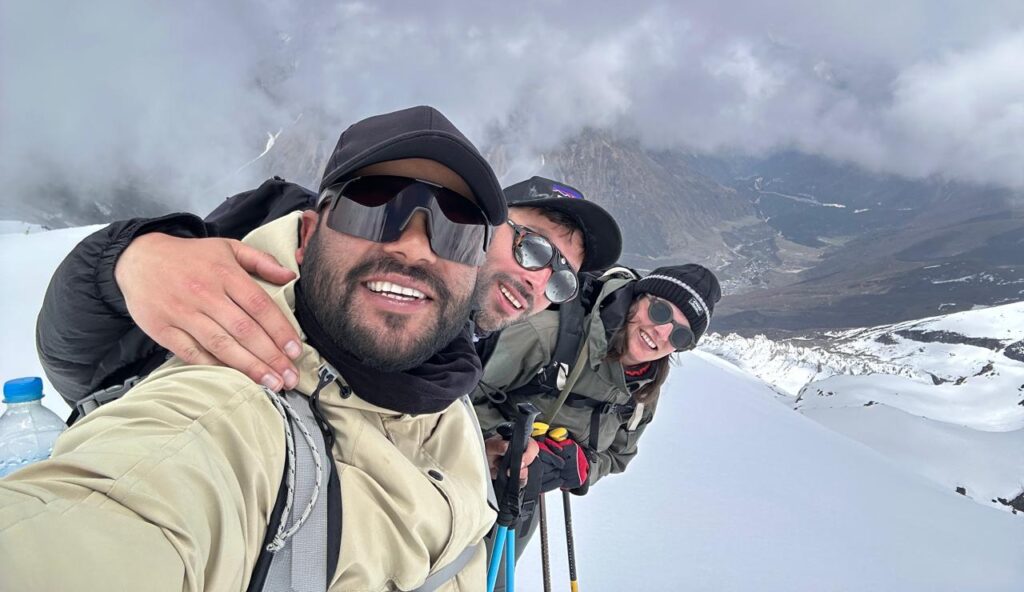
The ultimate climax of the trek is the crossing of the Larkya La Pass, a formidable geographical barrier that demands intense physical exertion, mental fortitude, and the absolute best technical clothing you can pack.
Manaslu Circuit Trek Facts
Before diving into the packing list, it is crucial to understand the logistical and geographical parameters of the journey. Below are the core facts and figures for your expedition:
| Facts | Figure |
| Duration: | 10 Trek days, 1 day drive to Machha Khola and 1 day Drive to Kathmandu. 1 Day Arrival, 1 Day to make permits and 1 Day Departure (Total 15 days) |
| Max. elevation: | 5113 M / 16,751 Feet, Larke La Pass |
| Start: | Machha Khola |
| Ends: | Tilje / Dharapani |
| Difficulty: | Adventure |
| Manaslu Circuit Trek distance: | 177 kilometers (110 miles) from Machha Khola to Besisahar |
| Manaslu Trek Best Time: | Spring / Autumn Season |
| Permits: | (RAP) Restricted Area Permits, (MCAP) Manaslu Conservation Area Permits, and (ACAP) Annapurna Conservation Area Permits |
| Accommodation: | Tea House |
The Ideal Packing Weight for the Manaslu Circuit Trek
When trekking in the Himalayas, every single gram you pack is a gram that either you or your porter must carry uphill through thinning oxygen. Weight management is not just a matter of convenience; it is a critical safety parameter.
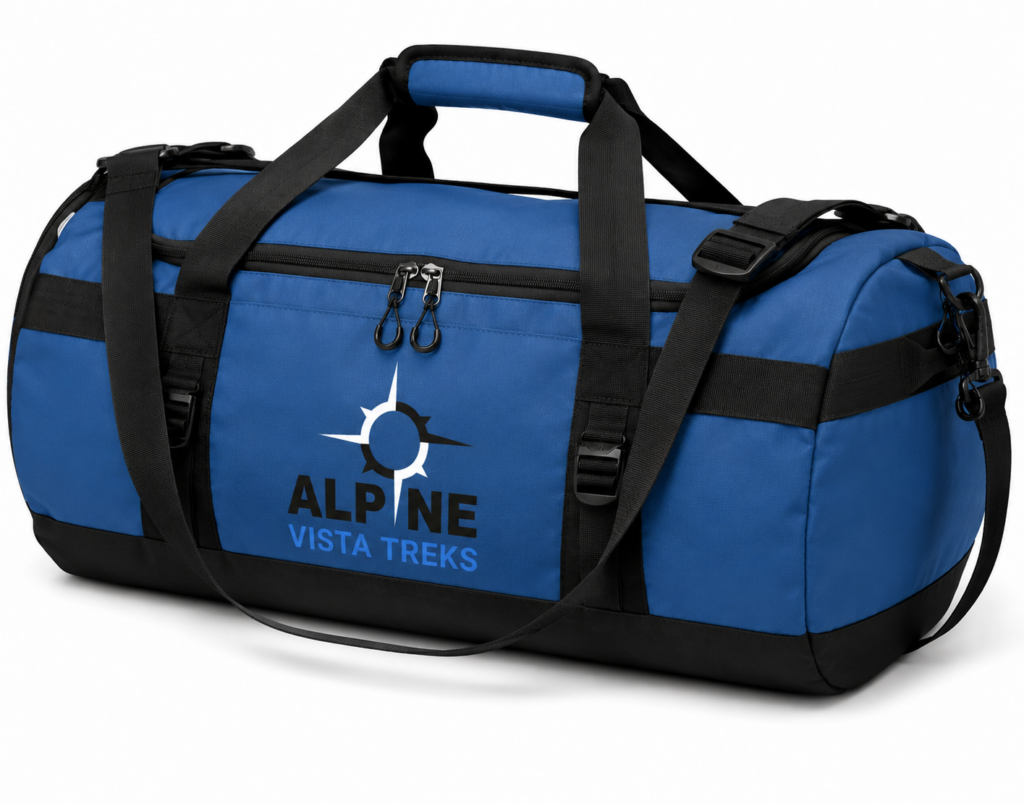
If you are trekking with Alpine Vista Treks and utilizing the services of our dedicated porters, you will divide your gear into two bags: a large duffel bag and a personal daypack.
The Porter’s Duffel Bag (Maximum 15 kg)
Porters’ load limits are strictly controlled by local regulations and ethical trekking standards. The duffel bag you hand over to your porter must weigh a maximum of 15 kg (approximately 33 lbs). This bag will contain your heavy sleeping bag, spare clothing, camp shoes, toiletries, and any gear you do not need while actively hiking during the day. For reference, a typical -15°C sleeping bag weighs around 1.5 kg, a full set of spare clothing weighs about 3 to 4.5 kg, and your down jacket weighs roughly 0.8 kg. Achieving this weight limit requires discipline; leave unnecessary luxury items, heavy books, and extra pairs of jeans in Kathmandu.
Your Personal Daypack (6 to 8 kg)
You will carry your own daypack, which should have a capacity of 30 to 45 liters. The ideal packing weight for your daypack is strictly between 6 to 8 kg. This pack must contain your daily survival essentials: 2 to 3 liters of water, your waterproof rain jacket and pants, high-energy snacks, sunscreen, your camera, a first-aid kit, your passport, and trekking permits.
Pro Tip for Larkya La Pass: On the day you cross the Larkya La Pass, the extreme altitude will make your pack feel twice as heavy. For this specific day, it is highly recommended to strip your daypack weight down to under 7 kg to conserve vital cardiovascular energy. You can achieve this by handing over any non-essential items to your porter the night before.
Manaslu Circuit Trek Packing List (Gear Lists)
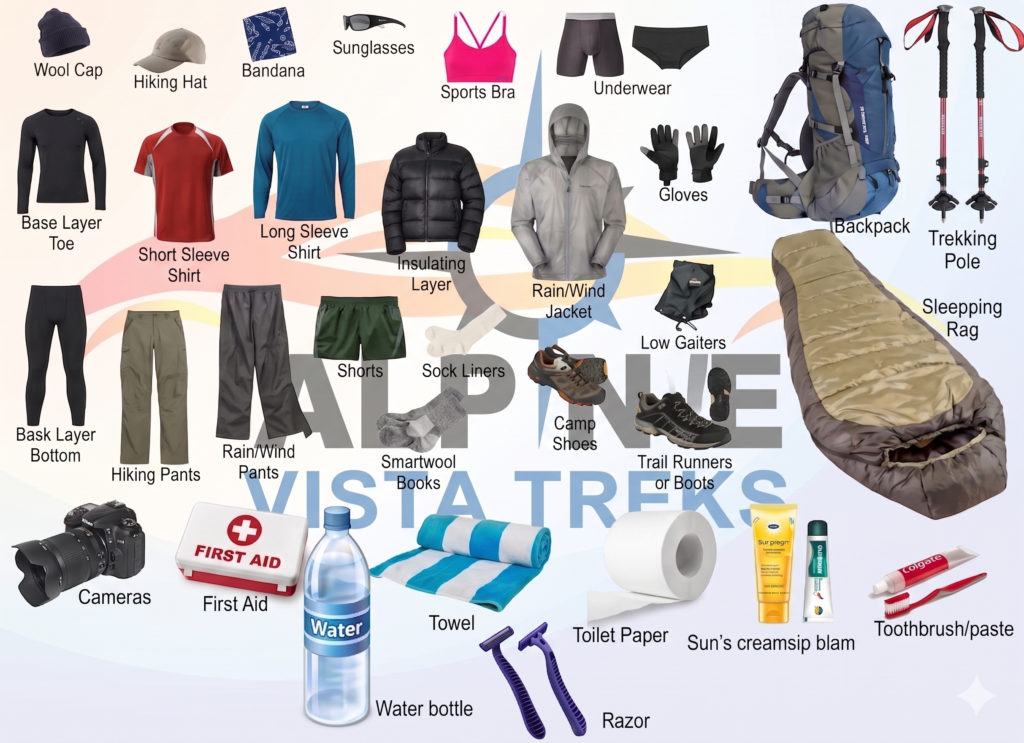
Surviving and enjoying the vast temperature swings of the Manaslu Circuit requires adherence to the “Three-Layer System”. You will transition from sweating in 25°C subtropical heat to freezing in -15°C alpine winds.
1. Upper Body Clothing (The Layering System)
- Base Layers (Moisture-Wicking): Bring 2 to 3 synthetic or Merino wool short-sleeve t-shirts, and 2 thermal long-sleeve tops. Cotton is strictly forbidden; it retains sweat, stays wet, and drastically increases the risk of hypothermia at high altitudes. Merino wool is the gold standard as it naturally resists odors.
- Mid-Layers (Insulation): Pack 1 or 2 mid-weight fleece jackets (full-zip preferred for ventilation). This will act as your primary hiking insulation on cold days.
- Static Insulation (Down Jacket): 1 lightweight down jacket or synthetic insulated jacket. This is mandatory for wearing inside unheated teahouses at night and during the freezing pre-dawn ascent of the Larkya La Pass.
- Outer Layer (Hardshell): 1 premium, waterproof, and breathable rain jacket (such as Gore-Tex) with an adjustable hood. This is your ultimate shield against alpine winds and sudden snowfall.
2. Lower Body Clothing
- Trekking Pants: 2 pairs of lightweight, quick-drying trekking trousers. Convertible pants that zip off into shorts are excellent for the humid lower elevations.
- Thermal Leggings: 1 pair of expedition-weight thermal bottoms or merino wool leggings. These are vital for layering under your trekking pants on pass day and for use as sleepwear.
- Waterproof Pants: 1 pair of waterproof rain pants. Side-zippers are highly recommended so you can put them on over your hiking boots when sudden storms hit.
- Underwear: 3 to 4 pairs of moisture-wicking, non-cotton underwear, and 2 sports bras for women.
3. Footwear (Your Most Critical Gear)
- Trekking Boots: 1 pair of high-quality, high-cut, waterproof trekking boots. They must provide rigid ankle support to prevent sprains on rocky moraines. Crucial advice: Buy them exactly one size larger than your street shoes to accommodate foot swelling at altitude and thick wool socks, and break them in for at least a month before arriving in Nepal to prevent debilitating blisters.
- Trekking Socks: 3 to 4 pairs of heavy, cushioned merino wool socks.
- Liner Socks: 2 pairs of thin synthetic liner socks. Worn under your thick socks, these absorb friction and act as an incredible blister-prevention mechanism.
- Camp Shoes: 1 pair of lightweight trainers, trekking sandals, or Crocs. You need these to let your feet breathe and recover while navigating the teahouses and shared bathrooms in the evenings.
- Gaiters: 1 pair of lightweight gaiters to keep mud, leeches (in lower zones), and deep snow out of your boots.
4. Head and Hand Protection
- Sun Protection: 1 wide-brimmed sun hat or baseball cap, and 1 pair of high-UV protection sunglasses (Category 3 or 4). The UV radiation at 5,000 meters is intensely magnified by snow glare.
- Cold Protection: 1 warm wool beanie that covers your ears.
- Neck Gaiter: 1 versatile Buff or neck gaiter. This protects your neck from the sun, keeps drafts out of your jacket, and serves as a vital dust mask when passing mule trains on dry trails.
- Gloves: 2 pairs of thin liner gloves (for dexterity while taking photos or tying boots) and 1 pair of heavy, insulated, waterproof outer gloves or mittens.
5. Sleeping Gear
- Sleeping Bag: A premium 4-season sleeping bag rated to at least -15°C (or -20°C for winter trekkers). Teahouse walls are uninsulated, and nighttime temperatures at high camps like Dharmasala routinely drop well below freezing.
- Sleeping Bag Liner: 1 silk or microfleece liner. This adds extra thermal retention and protects the interior of your expensive sleeping bag from body oils and sweat.
- Pillow: 1 small inflatable travel pillow (or a stuff sack that you can fill with spare clothes).
6. Backpacks and Bags
- Duffel Bag: 1 heavy-duty, waterproof duffel bag (65-75L or 90-100L). If you book with Alpine Vista Treks, this is typically handled, but having a rugged bag is essential.
- Daypack: 1 ergonomically fitted 30-45L backpack with a sturdy hip belt to distribute weight to your pelvis.
- Dry Bags: A selection of waterproof stuff sacks or dry bags to compartmentalize your clothing and ensure your sleeping bag and down jacket remain absolutely dry in the event of a downpour.
7. Technical and Trekking Accessories
- Trekking Poles: 1 pair of lightweight, adjustable, collapsible trekking poles. These are universally recommended by mountain professionals to save your knees on the grueling 11-kilometer descent from Larkya La Pass.
- Headlamp: 1 high-lumen headlamp with spare batteries. Teahouse lighting is notoriously dim, and you will need a headlamp for the 3:00 AM start on pass day.
- Water Bottles: 2 wide-mouth Nalgene bottles (1-liter capacity each) or high-quality metal bottles. Hydration bladders (like CamelBaks) are useful in lower elevations but the tubes will freeze solid above 4,000 meters. Nalgene bottles can also be filled with boiling water at night to act as a bed warmer.
8. Health, First Aid, and Toiletries
- Water Purification: Mechanical filters (like LifeStraw or Sawyer) or chemical purification tablets (Chlorine Dioxide). Bottled water costs up to $7 per liter at high elevations and contributes to a severe plastic waste crisis in the Himalayas.
- First Aid Kit: Diamox (Acetazolamide) for altitude sickness prophylaxis, Ibuprofen for headaches, broad-spectrum antibiotics (consult your doctor), Loperamide (Imodium) for stomach issues, a robust blister kit (moleskin, hydrocolloid plasters), and oral rehydration salts.
- Toiletries: A toothbrush, biodegradable toothpaste, multi-purpose biodegradable soap, a quick-dry microfiber towel, lip balm with SPF, and SPF 50+ sunscreen.
- Toilet Paper and Wet Wipes: Pack plenty of both. Teahouse bathrooms are basic squat toilets and do not supply toilet paper. Above 4,000 meters, taking hot showers is medically discouraged due to hypothermia risks, making biodegradable wet wipes your primary source of hygiene.
9. Electronics and Documents
- Power Bank: Electricity is scarce and teahouses charge high fees (up to $7 per full charge) to use their solar-powered outlets. Bring a high-capacity power bank. Aviation Warning: Airlines restrict lithium-ion batteries. A 20,000 mAh (approx. 74 Wh) power bank is universally allowed in carry-on luggage. Anything over 100 Wh (roughly 27,000 mAh) requires airline approval, and massive 50,000 mAh banks are strictly prohibited on flights.
- Connectivity: Purchase an NTC (Nepal Telecom) SIM card in Kathmandu. NTC provides significantly better and more reliable coverage in the remote, high-altitude villages of the Manaslu region compared to Ncell.
- Documents: Your original passport (valid for 6 months), digital scans of your passport on your phone, 4 extra passport-sized photos for permits, your physical RAP, MCAP, and ACAP permits, and mandatory travel insurance documents that explicitly cover helicopter evacuation above 5,000 meters.
Food, Snacks, and Nutrition Packing for the Manaslu Circuit Trek
Navigating the extreme topography of the Manaslu Circuit demands a massive caloric output. Trekking at high altitudes causes your metabolism to accelerate, meaning your body burns fuel faster just to maintain its core temperature and oxygenate your blood. However, altitude also acts as a natural appetite suppressant. Therefore, the goal of nutrition on the trail is to consume light, high-calorie, easily digestible foods that provide sustained energy without causing gastrointestinal distress.
You should aim to replace the calories you lose without over-feasting, as a bloated stomach at 4,000 meters is highly uncomfortable. Complex carbohydrates are your best friend at high altitudes; foods like whole grains, potatoes, and rice release energy slowly into your bloodstream, maintaining your stamina over a 7-hour trekking day. Packing the right supplemental nutrition from Kathmandu or your home country will ensure you avoid “bonking” (total energy depletion) before reaching the teahouse.
Highly Recommended Snacks to Bring on the Manaslu Trek
While basic snacks like stale cookies or generic chocolate bars are available at lower elevation teahouses, they become astronomically expensive and exceedingly rare as you approach Samagaun and Dharmasala. You must pack your own specialized trail nutrition.
- Energy Bars and Granola Bars: Pack high-quality, oat-based energy bars. They are dense in complex carbohydrates, lightweight, and won’t freeze solid in your pack.
- Nuts and Seeds: Almonds, walnuts, cashews, and pumpkin seeds offer excellent healthy fats and proteins, providing long-lasting, slow-burn energy.
- Dried Fruits: Dried apricots, figs, raisins, and dates. These are packed with natural sugars for a quick energy spike and contain vital potassium to prevent muscle cramps.
- Dark Chocolate: Superior to milk chocolate because it is richer in calories, less likely to melt in the lower subtropics, and contains antioxidants.
- Jerky: High-quality beef, chicken, or plant-based jerky is an excellent, lightweight source of protein needed for muscle repair at the end of a long day.
- Electrolyte Drink Powders: Water alone is not enough. You will sweat profusely on the ascents. Electrolyte powders replace lost sodium, magnesium, and potassium, preventing dehydration headaches.
- Peanut Butter: Consider bringing a small plastic jar of peanut butter or individual squeeze packets. It is incredibly calorie-dense and can be spread on the Tibetan bread served at breakfast.
Food and Drinks Advice for the Manaslu Circuit Trek
The teahouse infrastructure along the Manaslu Circuit is well-developed, offering menus that feature a mix of traditional Nepalese staples and adapted Western dishes. Here is how to navigate the culinary landscape for peak performance:
The Power of Dal Bhat
There is a famous trekking proverb in Nepal: “Dal Bhat Power, 24 Hour.” This traditional meal consists of steamed white rice, a lentil soup (dal), vegetable curry, and pickled greens. It is the ultimate trekking fuel. It is rich in complex carbohydrates and proteins, and most importantly, it is served with “guaranteed free refills,” ensuring you can eat until you are completely full.
Garlic Soup for Acclimatization
Local guides universally swear by garlic soup, especially as you climb above 3,500 meters. Garlic is believed to aid in blood circulation and acts as a mild natural remedy to help repel the symptoms of acute mountain sickness.
Hydration and Safe Drinking
You must drink 3 to 4 liters of purified water daily to facilitate acclimatization. Tea is the most popular beverage on the trail; black tea, lemon tea, and ginger tea will soothe your stomach and warm your core. Crucial Advice: Strictly avoid caffeinated beverages like strong coffee, hot chocolate, and absolutely avoid all alcohol at high altitudes. Alcohol and excess caffeine act as diuretics, accelerating dehydration, suppressing your respiratory drive at night, and masking the critical symptoms of altitude sickness.
Avoid Meat at High Altitudes
While you may see yak meat or chicken on the menus in higher villages, Alpine Vista Treks highly recommends adopting a vegetarian diet for the duration of the trek. Because the Manaslu region is a Buddhist sanctuary, animals are rarely slaughtered locally; meat is often carried up the trail on the backs of mules for days without refrigeration. Consuming it carries a high risk of food poisoning, which can instantly ruin your expedition. Stick to fresh vegetables, rice, potatoes, oats, and eggs.
Manaslu Circuit Trek Packing by Season
The Manaslu Circuit spans six different climatic zones. Your packing strategy must aggressively adapt to the specific meteorological challenges of your chosen trekking window.
Spring — March to May (Second Best Season)
Spring represents a phenomenal time to trek, characterized by gradually warming temperatures, longer daylight hours, and the spectacular blooming of red and pink rhododendron forests in the lower hills. While mornings feature crystal-clear skies, the pre-monsoon heat often drives convective cloud build-up, resulting in localized afternoon rain showers. The Larkya La Pass will still hold significant winter snow.
Additional items for spring:
- Lightweight Waterproof Gaiters: Essential for keeping melting snow and slush out of your boots as you cross the pass.
- Robust Rain Gear: Due to the higher probability of afternoon showers, ensure your rain jacket and backpack rain cover are easily accessible.
- Highly Modular Layers: You will experience intense heat in the lowlands (up to 28°C) and freezing temperatures (-5°C) at high camps. Ensure you have zip-off trekking pants and breathable base layers to shed heat rapidly.
Autumn — September to November (Best Season)
Autumn is universally recognized as the premier trekking season for the Manaslu Circuit. The devastating monsoon rains of the summer have passed, washing the atmosphere completely clean of dust and haze. This results in highly stable, dry weather and unparalleled, razor-sharp views of the Himalayan peaks. While daytime hiking is incredibly pleasant (10°C to 20°C), the nights become progressively colder as November approaches, dropping to -10°C at high altitudes.
Additional items for autumn:
- High-Quality Down Insulation: Because the nights are bitterly cold, your down jacket and a -15°C rated sleeping bag are absolute necessities.
- Heavy Merino Wool Base Layers: Swap out lighter synthetic shirts for thicker merino wool to trap body heat during the cold, shadowed mornings.
- Premium Lip Balm and Skin Care: The dry autumn air and intense UV radiation will severely crack lips and skin; bring high-grade moisturizers and SPF.
Winter — December to February (Tough)
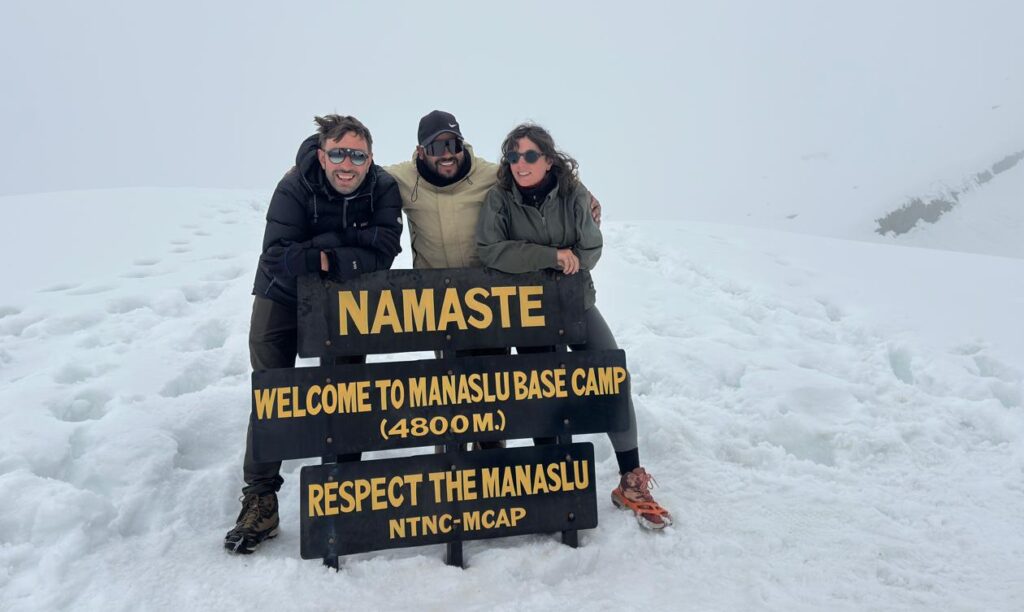
Trekking the Manaslu Circuit in the dead of winter is an extreme endurance challenge reserved only for highly experienced alpinists. The trails are completely devoid of crowds, and precipitation is low, but the thermal metrics collapse. Daytime highs barely reach 0°C at altitude, and nighttime temperatures plunge to a lethal -20°C or colder. Many teahouses shutter their doors for the season, and the Larkya La Pass is frequently blocked by deep, impassable snow.
Additional items for winter:
- Expedition-Grade Sleeping Bag: A premium sleeping bag rated to at least -20°C (or -30°C) is a strict survival requirement.
- Traction Devices: Microspikes or lightweight crampons are mandatory. The trails approaching the pass will be covered in hard-packed, highly dangerous ice.
- Extreme Extremity Protection: Heavy, insulated, waterproof expedition mittens (gloves are insufficient as fingers separate and lose heat), alongside a full-face balaclava or neoprene face mask to prevent frostnip on your cheeks and nose.
- Chemical Hand Warmers: Multiple packs of air-activated hand and toe warmers to place in your boots and mittens during the brutal pass crossing.
- Thermos Flask: A heavy-duty, vacuum-insulated metal thermos to prevent your daily drinking water from freezing solid within hours.
Manaslu Circuit Trek -15 days Outline Itinerary
| Day | Route / Destination | Outline Itinerary |
|---|---|---|
| Day 01 | Arrival in Kathmandu (1,400m) | Arrival at Kathmandu International Airport, hotel transfer, trip briefing, and preparation for the Manaslu Circuit Trek. |
| Day 02 | Drive Kathmandu to Machha Khola (930m) | Long scenic drive via Arughat and Soti Khola through river valleys, terraced farms, and hillside villages. |
| Day 03 | Trek Machha Khola to Jagat (1,340m) | Trek alongside the Budhi Gandaki River with suspension bridges, waterfalls, and traditional Gurung settlements. |
| Day 04 | Trek Jagat to Deng (1,860m) | Enter the Manaslu Conservation Area and continue through forests, stone staircases, and remote mountain villages. |
| Day 05 | Trek Deng to Namrung (2,630m) | Gradual ascent through pine forests and Tibetan-influenced villages with first close Himalayan views. |
| Day 06 | Trek Namrung to Syala (3,500m) | Scenic Himalayan trail via Lihi and Sho villages with breathtaking views of Mt. Manaslu, Himalchuli, Ngadi Chuli, and Ganesh Himal. |
| Day 07 | Trek Syala to Samagaun (3,530m) | Short and beautiful trek through yak pastures and traditional Nubri Tibetan settlements to Samagaun village. |
| Day 08 | Acclimatization Day at Samagaun | Rest and acclimatization with optional hikes to Manaslu Base Camp, Birendra Lake, or Pungyen Gompa. |
| Day 09 | Trek Samagaun to Samdo (3,875m) | Gentle high-altitude trek through open landscapes and grazing areas near the Tibetan border. |
| Day 10 | Trek Samdo to Dharamsala / Larke Phedi (4,460m) | Gradual ascent toward Larke La Pass base camp with stunning glacier and mountain scenery. |
| Day 11 | Cross Larke La Pass (5,106m) & Trek to Bimthang (3,720m) | Challenging but rewarding crossing of the highest point of the trek with spectacular Himalayan panoramas. |
| Day 12 | Trek Bimthang to Dharapani (1,960m) | Descend through rhododendron forests, alpine meadows, and riverside trails connecting to the Annapurna region. |
| Day 13 | Drive Dharapani to Kathmandu | Scenic drive back to Kathmandu through mountain highways, river valleys, and rural landscapes. |
| Day 14 | Final Departure | Transfer to Kathmandu International Airport for onward journey. |
FAQs for Manaslu Circuit Trek Packing List -2026
1. What is the most essential gear for the Manaslu Circuit Trek?
Sturdy trekking boots, warm layered clothing, a down jacket, sleeping bag (-10°C to -20°C), and a comfortable backpack are the most essential items.
2. Do I need crampons or microspikes?
Not usually, but in early spring or late autumn (especially near Larke La Pass), microspikes can be very helpful for icy conditions.
3. What type of backpack is recommended?
A 50–70L main trekking backpack with a rain cover and a 20–30L daypack for daily essentials is ideal.
4. How warm should my sleeping bag be?
A sleeping bag rated at least -10°C comfort level is recommended, and -15°C to -20°C is better for winter or higher comfort.
5. Can I rent trekking gear in Kathmandu?
Yes, you can rent or buy most gear in Kathmandu (Thamel area), including down jackets, sleeping bags, and trekking poles.
6. What clothing should I pack for layering?
Pack 3 layers:
Base layer (thermal top/bottom)
Mid layer (fleece or down jacket)
Outer layer (waterproof/windproof jacket & pants)
7. Do I need trekking poles?
Yes, trekking poles are highly recommended for steep ascents and descents, especially during Larke La Pass crossing.
8. How many pairs of clothes should I bring?
Bring minimal clothing: 2–3 sets of trekking clothes, 3–4 pairs of socks, and 2–3 base layers. Laundry is limited on the trail.
9. What personal items are often forgotten?
Lip balm, sunscreen, headlamp, water purification tablets, power bank, and basic first aid items are commonly forgotten but very important.
10. Is special equipment needed for altitude?
No special technical gear is needed, but warm clothing, hydration system, and proper acclimatization support are crucial for high altitude safety.
Ready for the Himalayas?
By strictly adhering to this comprehensive gear and nutrition guide, you are directly investing in your safety, comfort, and the overall success of your expedition. The Manaslu Circuit is a test of endurance, but with the right preparation, it will reward you with the most spectacular landscapes and cultural encounters on Earth.
Alpine Vista Treks is dedicated to ensuring your Himalayan journey is flawless. From securing your Restricted Area Permits to providing highly experienced, government-licensed guides and robust duffel bags, we handle the logistics so you can focus entirely on the adventure ahead. Pack smart, train hard, and we will see you in the mountains.