The Himalayas have long stood as the ultimate frontier for adventure travelers, a towering testament to the raw geological power and spiritual depth of the natural world. For decades, the global trekking community has instinctively flocked to the legendary trails of the Everest Base Camp and the Annapurna Circuit. However, as these historic routes have seen a massive surge in commercialization, infrastructure development, and sheer foot traffic, a new generation of trekkers is seeking something more authentic. They are looking for a destination that preserves the pristine, untouched wilderness and deeply traditional cultures that originally made Nepal the trekking capital of the world. Enter the Manaslu Circuit.
Circling Mount Manaslu, the eighth-highest peak on the planet at an awe-inspiring 8,163 meters (26,781 feet), the Manaslu Circuit has rapidly evolved from a hidden, restricted Himalayan secret into Nepal’s premier alternative trekking destination. This journey offers an unparalleled blend of dramatic river gorges, towering snow-capped peaks, high-altitude alpine lakes, and pristine Tibetan Buddhist culture that has remained largely isolated from modern influence. From the lush, sub-tropical forests of the lower Budhi Gandaki River valley to the freezing, breathless heights of the 5,106-meter Larkya La Pass, the circuit demands physical endurance and mental fortitude.
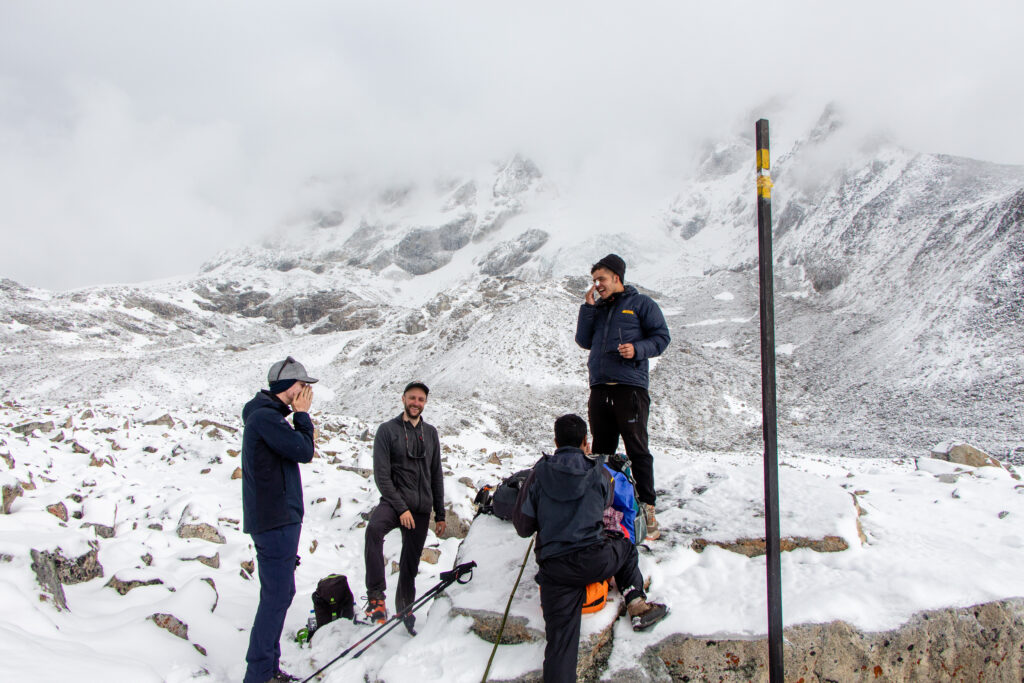
However, trekking in the Manaslu region is not a simple matter of packing a backpack, buying a map, and hitting the trail. Unlike the Everest or Annapurna regions, the Manaslu Circuit is situated within a highly regulated restricted zone near the Nepal-Tibet border. Navigating the logistical, legal, and financial requirements for a 2026 expedition requires meticulous planning and a deep understanding of local laws. The government of Nepal heavily regulates who can enter, how they must travel, and who must accompany them.
Whether you are an elite alpine athlete looking to speed-hike the circuit or a moderate trekker seeking deep cultural immersion in ancient monasteries, the single most critical decision you will make before arriving in Kathmandu is the selection of your local guide and porter. This comprehensive 2026 guide covers everything you need to know about the latest legislative updates, the exact permit cost breakdowns, the ethical hiring of support staff, and how to verify the credentials of the professionals who will keep you safe in the high Himalayas.
2026 Trekking Rules & Regulations: Hire a Guide and Porter Service
To understand why hiring a guide is the most important part of your Manaslu preparation, you first must understand the strict, complex legal framework governing the Gorkha district. For decades, the Manaslu region has been classified as a restricted area by the Government of Nepal. This designation was implemented to protect the region’s fragile alpine ecosystem, carefully manage the sheer volume of tourists, and preserve the deeply traditional Tibetan Buddhist communities—such as those in the Tsum Valley—that live near the sensitive Nepal-Tibet border and remained entirely closed to foreign visitors until 1992.
On Sunday, March 22, 2026, the Department of Immigration (DoI) of Nepal enacted a landmark, sweeping revision to its trekking permit policy for restricted areas, fundamentally altering how independent travelers plan their trips. Prior to this 2026 revision, the government strictly mandated a minimum group size of two foreign tourists to issue a Restricted Area Permit (RAP). This archaic rule forced solo travelers to artificially pair up with strangers on internet forums just to satisfy bureaucratic requirements.
The March 2026 update officially eliminated the two-person minimum. Under the revised rules, individual (solo) foreign travelers are now legally permitted to apply for and obtain trekking permits for these regulated zones, which encompass 13 districts including Upper Mustang, Upper and Lower Dolpa, the Nar Phu valleys, and the Manaslu and Tsum Valley regions. However, this legislative easing came with incredibly strict safety and management provisions that must be followed flawlessly.
The Mandatory Guide Rule Remains Non-Negotiable
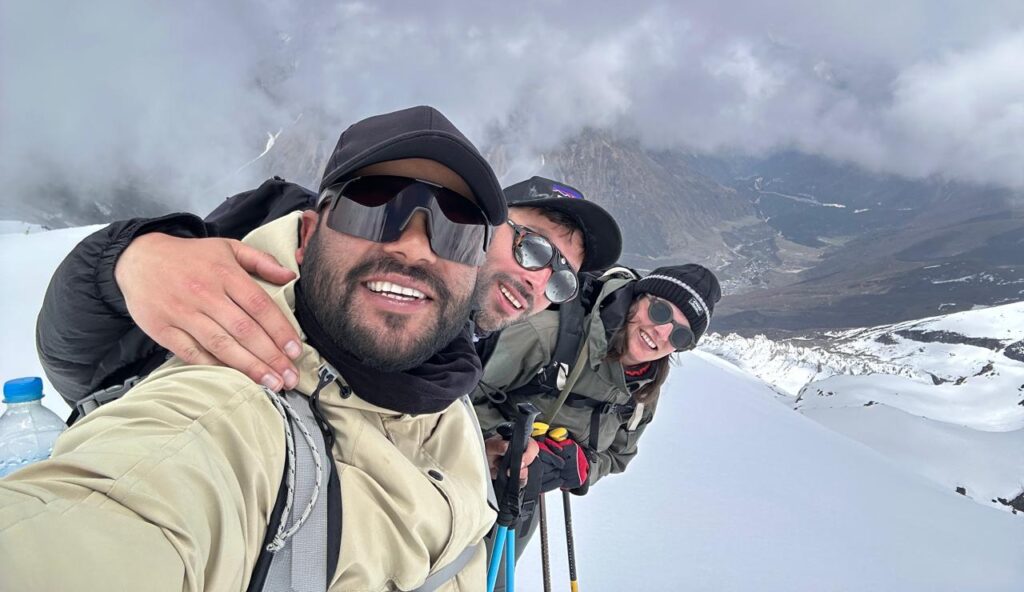
While you can now legally hold a permit as a solo foreign traveler, you absolutely cannot step foot on the trail alone. The requirement to hire a licensed, registered local Nepali guide remains strictly mandatory and is heavily enforced at multiple police checkpoints along the route, such as the one in Jagat. Trekking without a guide is a severe violation of Nepali law and will result in immediate expulsion from the restricted zone and potential fines.
Despite easing the restriction on solo travelers, the Department of Immigration implemented a strict guide-to-trekker ratio to enhance safety and oversight in remote areas, dictating that one licensed guide may lead a maximum of seven trekkers. Furthermore, independent “DIY” permit processing is impossible; your entire expedition, including the permit applications, must be facilitated through a legally registered Nepali trekking agency. This agency is held legally and fully responsible for all of your logistical arrangements and emergency rescue operations while you are in the restricted zone.
The rationale behind these strict laws extends beyond mere bureaucracy; it is built on three foundational pillars:
- Safety Infrastructure: The Manaslu Circuit is incredibly remote, featuring treacherous landslide zones, freezing temperatures, and extreme altitudes. A licensed guide serves as your primary rescue network in an area with highly limited cellular service and massive physical hazards.
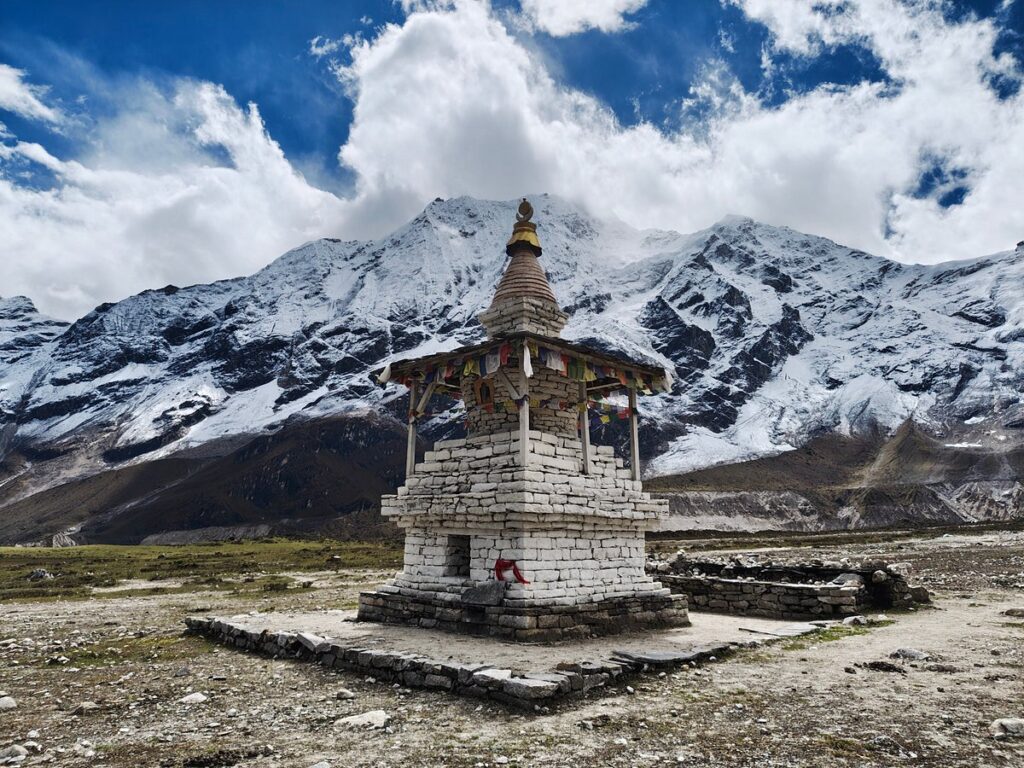
- Cultural Preservation: The region features isolated communities with unique socio-cultural practices. Guides act as vital cultural interpreters, ensuring visitors do not inadvertently disrespect local customs, religious artifacts like Chortens and Mani walls, or sacred sites.
- Economic Sustainability: Nepal’s private travel and tourism bodies, particularly the Trekking Agencies Association of Nepal (TAAN), have lobbied for mandatory guide systems for over a decade. These laws guarantee that tourism revenue is directly injected into the impoverished rural mountain economy, providing vital jobs and sustainable income for local Nepali citizens rather than allowing foreign trekkers to bypass the local economy.
Permit and Fees Explained
Before discussing the cost of guides and porters, you must account for the required permits, as they represent a significant portion of your budget. Because the Manaslu region has been classified as a restricted trekking area since 1991, trekkers must obtain three mandatory permits before setting foot on the trail. To complete the standard Manaslu Circuit from Jagat to Dharapani, you must acquire the following documents, the costs of which are regulated by the Nepal Tourism Board and processed through the Department of Immigration.
Manaslu Circuit Trek Permits & Fees 2026
| Permit Type | Foreign Nationals | SAARC Nationals |
| Manaslu Restricted Area Permit (RAP) (Sept to Nov) | USD 100 (for first 7 days) + USD 15 per extra day | Same as Foreigners (Can often be paid in NPR equivalent) |
| Manaslu Restricted Area Permit (RAP) (Dec to Aug) | USD 75 (for first 7 days) + USD 10 per extra day | Same as Foreigners(Can often be paid in NPR equivalent) |
| Manaslu Conservation Area Permit (MCAP) | NPR 3,000 (approx. USD 23) | NPR 1,000 |
| Annapurna Conservation Area Permit (ACAP) | NPR 3,000 (approx. USD 23) | NPR 1,000 |
| Chumnubri Rural Municipality Fee(Local Tax) | NPR 2,000 (approx. USD 15) | NPR 1,000 |
The Application Timeline
Because you cannot apply for these permits independently as a Free Individual Trekker (FIT), you must coordinate closely with your trekking agency. A standard logistical timeline requires you to book the trek and provide your passport details roughly 30 days before departure. The agency will submit the applications to the Department of Immigration 25 days out, and the government will issue the permits roughly 20 days prior to the trek. The permit fees are quoted in US dollars but are payable in Nepali Rupees, and a permit will not be issued beyond your Nepali visa expiration date.
Guide & Porter Costs: Manaslu Circuit Trek
Budgeting for support staff on the Manaslu Circuit requires a clear understanding of the different professional tiers operating on the mountain. The daily rate you pay typically covers the staff member’s salary, their teahouse accommodation, their three daily meals, their mandatory high-altitude insurance, and their transportation from Kathmandu to the trailhead.
Here is the exact cost breakdown for hiring support staff in 2026:
| Professional Category | Estimated Daily Cost (USD) | Role Description and Expertise Level |
| A-Grade Trekking Guide | $30 – $35 | Fluent English, advanced first-aid certified, deep cultural and historical knowledge, elite crisis management, and excellent teahouse relationships. |
| Female Guide | $40 | Specialized service, highly sought after by solo female travelers or groups seeking specific dynamics. |
| B-Grade Trekking Guide | $25 – $30 | Legally compliant, strong navigation, adequate English, budget-friendly, but may lack extensive historical knowledge. |
| Porter-Guide (Hybrid) | $20 – $25 | Performs basic guiding while carrying a smaller load (up to 15kg). Lacks advanced medical training and fluent English. |
| Standard Porter | $18 – $25 | Dedicated load carrier. Limits weight to 20kg. Very limited English. Rate fluctuates by season ($20-25 peak, $18-23 off-peak). |
The Economics of Specific Local Guides
If you are booking customized trips, the 2026 market features specific, individualized pricing for highly experienced local professionals. For instance, premier A-grade guides like Pradip Tamang command premium rates of $45.00 per day. Veteran guides such as Rahul Tamang, Garap Sangpo Lama, Ek Bahadur Tamang, and Mingmar Tamang operate at a standard $35.00 per day. Mid-tier professionals like Ajaya Tamang, Yuhan Tamang, Nurbu Sherpa, and Krishna Tamang charge $30.00 daily. For those looking at hybrid porter-guide services, locals like Heriman Tamang charge $25.00, while Upendra Tamang and Luresh Tamang charge $22.00 per day.
In addition to the daily rates, registered trekking agencies will charge a mandatory service fee—usually a flat rate of $100 per person. This fee covers the immense bureaucratic overhead required to process your restricted area documentation, legalize your expedition with the government, and secure the legally mandated insurance policies for your trekking crew.
The All-Inclusive Package Option
If managing daily cash payments for wages, teahouses (USD 5–10 per night), and food (USD 25–35 per day) sounds exhausting, you can purchase an all-inclusive package from an agency. These packages cover everything from your Kathmandu hotel and round-trip jeep transportation (which costs roughly $420 round-trip for a private jeep) to all permits, wages, meals, and beds.
For 2026, budget packages range from $1,000 to $1,300 per person. Standard mid-range packages cost between $1,300 and $1,700, while luxury comfort packages run from $1,800 to over $2,800. Group joining treks typically average between $1,200 and $1,500 per person.
Tipping Infrastructure
While not formally included in your daily invoice, tipping is a mandatory part of the trekking culture and a vital component of a guide and porter’s yearly income. For a standard two-week trek, industry norms dictate that you should budget a minimum of $100+ for your primary guide, and $60 to $80 for your porter, depending on the trek duration and quality of service.
Why You Need a Porter for Manaslu Circuit Trek
While a licensed guide is a strict legal requirement, hiring a porter is technically optional. However, attempting the Manaslu Circuit without a porter is a decision that ruins the experience for many independent trekkers, and it is highly recommended to hire one.
The physiological toll of high-altitude trekking is immense. The standard itinerary involves walking five to eight hours a day, constantly ascending and descending steep river valleys, and gaining 300 to 500 vertical meters daily. The trail is rugged, often requiring you to navigate landslide zones, rocky outcrops, and narrow suspension bridges swaying over the Budhi Gandaki river.
To safely complete this trek without succumbing to sheer exhaustion, sports medicine guidelines suggest your personal backpack should weigh no more than 8 to 10 kilograms. This weight limit only accommodates your daily essentials: three liters of water, a camera, rain gear, sunscreen, a basic medical kit, and a light fleece.
However, because you are crossing the Larkya La Pass at 5,106 meters (16,929 feet), you must bring heavy thermal layers, a minus-20-degree sleeping bag, thick down jackets, and spare trekking pants. This is where the porter becomes your greatest asset.
Porter Weight Limits and Logistics
Under ethical trekking guidelines in Nepal, a porter on the Manaslu Circuit is permitted to carry a maximum of 20 kilograms (approximately 44 pounds). The most cost-effective and efficient strategy for trekkers is for two people to share one single porter.
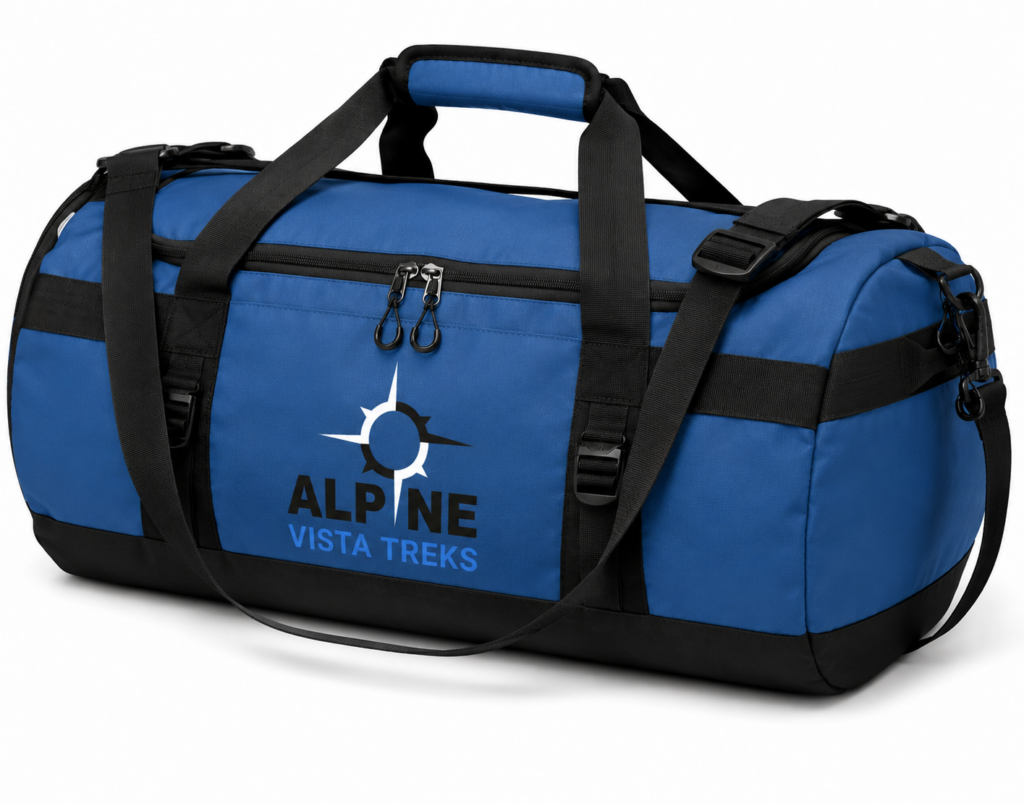
You combine your heavy sleeping bags and evening clothing into one large waterproof duffel bag that the porter carries ahead of you to the next teahouse. By transferring 20 kilograms of dead weight off your shoulders, you drastically reduce cardiovascular strain. This preservation of physical energy directly translates to a lower risk of Acute Mountain Sickness (AMS), allowing you to actually enjoy the magnificent views of the Himal Chuli and Ngadi Chuli peaks rather than staring miserably at your boots.
At a cost of roughly $20 to $25 a day—which is less than the cost of a single meal in many Western countries—hiring a porter is the single best investment you can make for your physical comfort and safety. Furthermore, hiring a porter directly supports the local economy, injecting vital capital into rural communities and creating jobs for the nation’s citizens.
Safety & Emergency Rescue from the trek
The beauty of the Manaslu Circuit is intrinsically linked to its danger. You are traveling through an isolated environment prone to extreme weather, monsoonal landslides, and most critically, hypoxic conditions. The primary medical threat on this trek is Acute Mountain Sickness (AMS), which can rapidly progress into fatal High-Altitude Pulmonary Edema (HAPE) or High-Altitude Cerebral Edema (HACE) if ignored.
This is where the true value of your licensed, A-grade guide becomes apparent. A professional guide is not just a human GPS; they are a trained first responder. They monitor your breathing, check your oxygen saturation levels at dinner, and know how to differentiate between a normal altitude headache and the early onset of lethal cerebral swelling. They also know that taking an acclimatization rest, climbing slowly, and staying hydrated are the best preventative measures.
If a catastrophic medical emergency occurs or someone suffers fatal hypothermia or a severe fall, the remote nature of Manaslu means there are no hospitals or roads to evacuate you quickly. Helicopter rescue is the only viable option for severe AMS or serious physical trauma.
The Four-Step Evacuation Process
When an emergency strikes at 4,000 meters, your guide executes a highly coordinated rescue operation:
- Immediate Assessment: The guide evaluates your vitals and symptoms to determine if immediate helicopter extraction is required or if a rapid descent on foot to a lower village is possible.
- Insurance Approval: The guide uses satellite communication or local teahouse networks to contact their agency in Kathmandu. The agency immediately contacts your travel insurance provider to secure financial authorization. Note: Helicopter rescues can cost thousands of dollars. You must hold high-altitude trekking insurance that explicitly covers helicopter evacuation up to 6,000 meters.
- Helicopter Dispatch: Once the insurance company gives the green light, a rescue helicopter is dispatched from Kathmandu or Pokhara, weather permitting.
- Hospital Transfer: You are airlifted directly from the mountain to a specialized hospital in Kathmandu for emergency treatment.
Crucially, travel insurance underwriters are notoriously strict. If you attempt to trek in a restricted area illegally without a licensed guide, and subsequently require a $10,000 helicopter rescue, your insurance company maintains the legal right to completely deny your claim due to your violation of local laws. Having a licensed guide is your ultimate insurance policy.
Ethical Porter Welfare
The trekking industry in the Himalayas has historically been plagued by the exploitation of local laborers. As a responsible trekker, it is your moral obligation to ensure the staff you hire are treated ethically, paid fairly, and protected from the elements.
The International Porter Protection Group (IPPG) has established strict ethical guidelines that reputable trekking agencies must follow. When vetting agencies, you must explicitly ask about their adherence to IPPG or Trekking Agencies’ Association of Nepal (TAAN) standards, which include fair wages, insurance, and adequate equipment.
Key Ethical Standards You Must Verify:
- Weight Limits: While Nepali law allows a maximum load of 30 kilograms, ethical agencies and IPPG recommendations restrict loads on high-altitude passes like Manaslu to a maximum of 20 kilograms (44 lbs). Never ask a porter to carry more than this.
- Proper Equipment & Shelter: Your agency must provide their porters with high-altitude gear appropriate for the season. Above the tree line, porters must have a dedicated shelter (either a room in a lodge or a tent), a sleeping mat, and a decent blanket or sleeping bag. They must also have proper footwear and clothing to protect against cold, rain, and snow.
- Medical Care and Insurance: Porters must be provided with comprehensive medical and life insurance by their employing agency. Furthermore, they must receive the exact same standard of medical care as the paying trekker if they fall ill.
- No Abandonment: A sick porter must never be paid off and sent down the mountain alone without carefully assessing their condition. If they suffer from altitude sickness, a sick porter must be accompanied by someone who speaks their language and can ensure their safe return. Funds must be provided to cover the cost of their rescue and treatment.
During the trek, treat your porter with immense respect. Learn their name—do not simply call them “porter”—interact with them, and view them as an integral part of your expedition team.
Why Choose Alpine Vista Treks
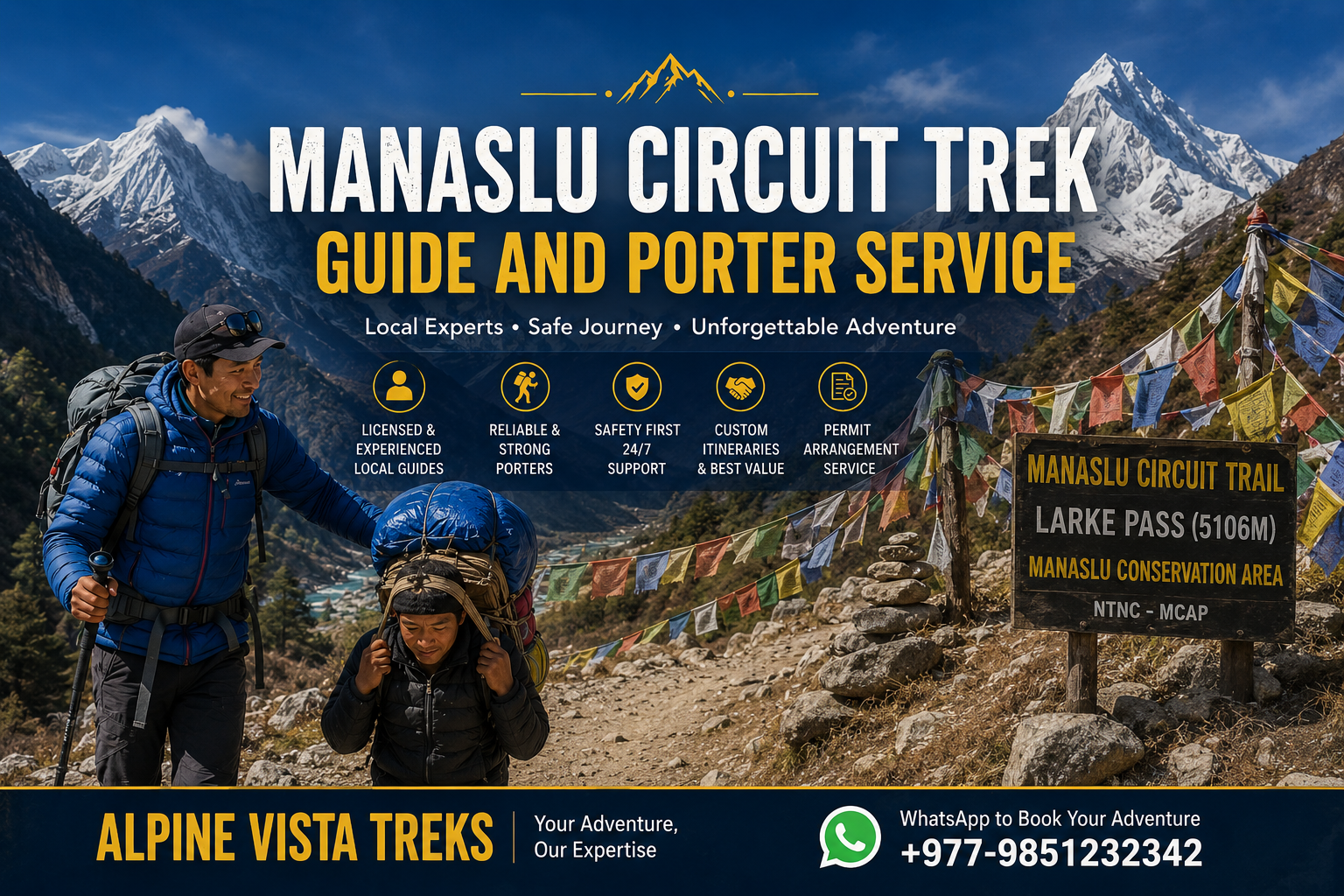
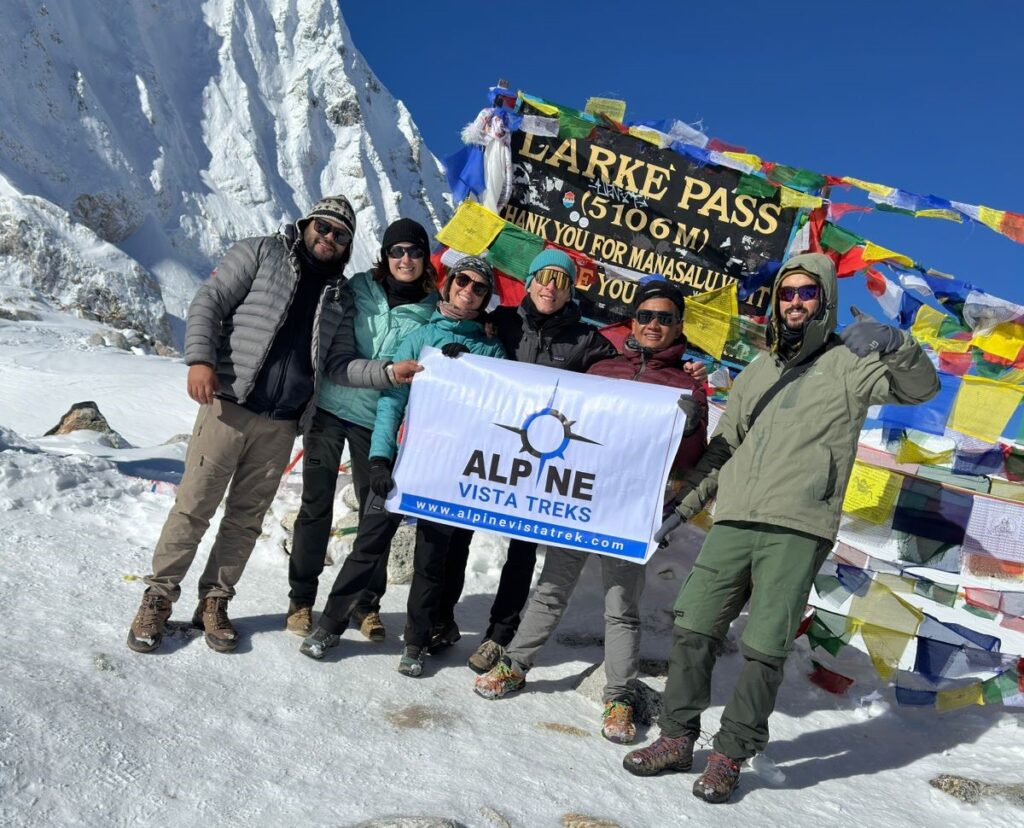
When navigating the complex logistics, permit requirements, and safety demands of the Manaslu Circuit, partnering with a highly reputable, legally registered agency is paramount. For 2026 expeditions, Alpine Vista Treks stands out as a premier choice for discerning adventurers.
Based in Kathmandu (Thamel), Alpine Vista Treks is a trusted adventure and trekking company specializing in guided hiking, trekking, and high-altitude mountain expeditions across the Himalayas. Founded in 2025, the company has rapidly built a reputation for excellence, offering specialized expertise in the Manaslu region alongside other iconic routes like the Langtang Valley, Annapurna Circuit, and Everest Base Camp.
Expertise in the Manaslu Region
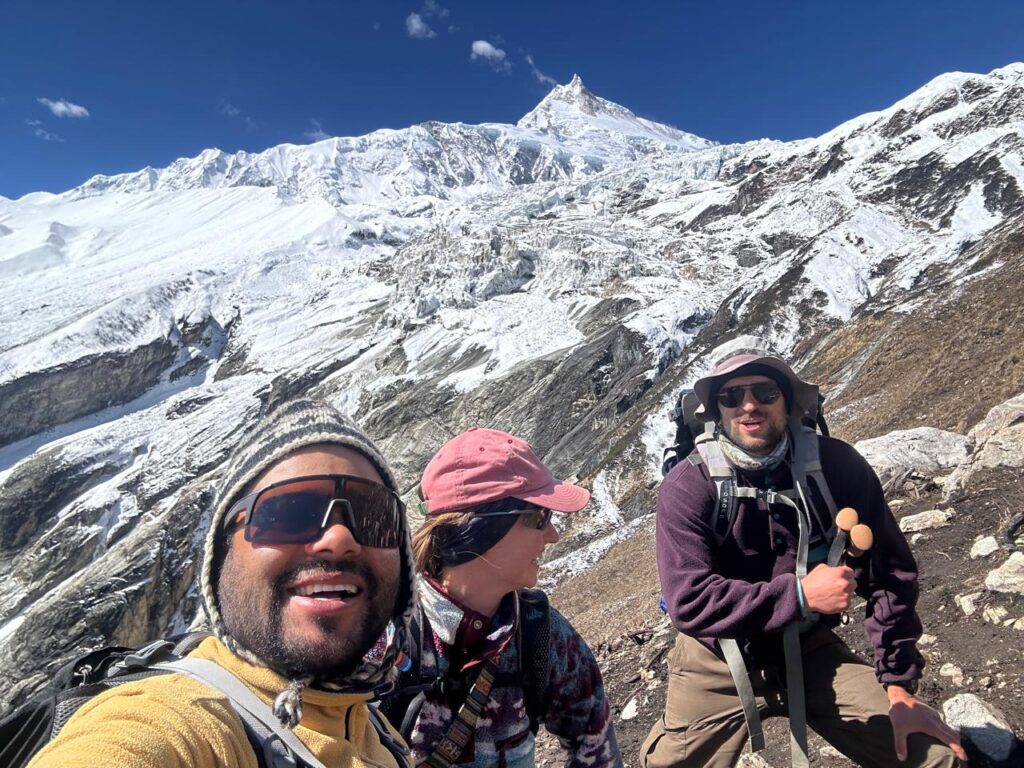
Alpine Vista Treks understands that the Manaslu Circuit is not a one-size-fits-all experience. As you ascend the valley from the lower Hindu foothills into centuries-old Tibetan-Buddhist villages, their itineraries are expertly crafted to maximize cultural immersion. They frequently integrate essential acclimatization side trips from upper hubs, such as stunning day hikes to the turquoise waters of Birendra Lake, the historic Pungyen Gompa, or the active mountain launching pad of Manaslu Base Camp at 4,800 meters.
Optimized Itineraries and Transparency
A major advantage of booking with Alpine Vista Treks is their administrative efficiency. They design their itineraries carefully to optimize your restricted-area days, keeping your permit costs as low as possible while maintaining strict safety and acclimatization standards. Whether you are looking for a standard 15-day circuit, a fast-paced 11-day short trek, or want to join a fixed departure group trek from Kathmandu to lower costs, they offer flexible options tailored to your schedule and budget.
By choosing Alpine Vista Treks, you are guaranteeing that your permits will be processed flawlessly, your guides will be elite professionals, and your porters will be treated with the highest ethical standards.
Verify Your Guide with Alpine Vista Treks
Because the title of “guide” is incredibly broad in the tourism industry, it is vital to actively verify the credentials of the person leading your expedition. When you book with Alpine Vista Treks, you can rest assured that every guide on their roster is a fully licensed, highly trained professional.
In Nepal, all legitimate trekking guides must pass an exhaustive training program facilitated by the Nepal Academy of Tourism and Hotel Management (NATHM) under the Ministry of Culture, Tourism and Civil Aviation. This rigorous program spans five weeks and includes 139 lesson hours. The curriculum is incredibly comprehensive, covering high-altitude first aid, mountain safety, rescue protocols, crisis handling, guest security, cultural history, navigation, and English proficiency.
The NTB License Card
Once they pass the exams, the guide is issued an official photo ID license by the Nepal Tourism Board (NTB). This card contains a unique registration number, an expiration date, and the official government seal. Asking for a guide’s license number is the single fastest way to filter out unlicensed operators, and it is the exact same check that the Nepal Tourism Board uses at trail checkpoints.
Questions You Can Ask to Verify Excellence:
Even when booking with a trusted agency like Alpine Vista Treks, it is good practice to ask about your specific guide:
- “What is the guide’s NTB Trekking Guide License Number?” (Accept only the number, not a photo of a generic ID. For example, a valid number looks like “1497”).
- “When were they last certified in wilderness first aid?”
- “How many times have they specifically crossed the Larkya La Pass on the Manaslu Circuit?” (General Himalayan experience is great, but you want a Manaslu specialist).
Alpine Vista Treks takes pride in their transparency and will gladly provide you with the license numbers, experience history, and references for the guide assigned to your trek.
Recommended 12-Day Manaslu Circuit Trek Itinerary
| Day | Route | Altitude | Distance |
|---|
| Day 1 | Kathmandu to Machha Khola (Drive) | 930m | 160 km Drive |
| Day 2 | Machha Khola to Jagat | 1,410m | 22 km |
| Day 3 | Jagat to Deng | 1,800m | 19 km |
| Day 4 | Deng to Namrung | 2,630m | 20 km |
| Day 5 | Namrung to Shyala | 3,520m | 16 km |
| Day 6 | Shyala to Samagaun | 3,520m | 8 km |
| Day 7 | Acclimatization Day (Manaslu Base Camp or Birendra Lake Hike) | 3,520m | 8–12 km (Optional Hike) |
| Day 8 | Samagaun to Samdo | 3,860m | 8 km |
| Day 9 | Samdo to Dharamsala (Larke Phedi) | 4,460m | 11 km |
| Day 10 | Dharamsala – Larkya La Pass (5,106m) – Bimthang | 3,750m | 16 km |
| Day 11 | Bimthang to Tilje | 2,300m | 19 km |
| Day 12 | Tilje to Besisahar by Local Jeep, then Drive to Kathmandu or Pokhara | 1,400m (Kathmandu) / 822m (Pokhara) | 170 km to Kathmandu / 105 |
This 12-day itinerary is the most popular Manaslu Circuit route, offering proper acclimatization, spectacular mountain scenery, and a safe crossing of the famous Larkya La Pass while keeping the trek comfortable and achievable for most trekkers.
Detailed 12-Day Manaslu Circuit Trek Itinerary
Day 1: Drive from Kathmandu to Machha Khola (930m)
Distance: 160 km Drive
Driving Time: 7–9 Hours
Your Manaslu Circuit adventure begins with an early morning drive from Kathmandu. Leaving the bustling capital behind, the journey follows scenic highways through Dhading, Malekhu, Mugling, and Arughat before entering the remote Budhi Gandaki Valley. The road gradually becomes rough and adventurous as it follows mountain ridges, waterfalls, and traditional villages. After a full day of driving, you arrive at Machha Khola, a small riverside settlement that serves as the gateway to the Manaslu region. Overnight at a local teahouse.
Day 2: Trek from Machha Khola to Jagat (1,410m)
Distance: 22 km
Walking Time: 6–7 Hours
The trek officially begins by following the Budhi Gandaki River through lush forests, terraced farmland, and small Gurung villages. Along the way, you cross several suspension bridges and pass through Khorlabesi and Tatopani, known for its natural hot springs. The trail offers beautiful views of waterfalls and dramatic river gorges. After a steady climb, you reach the charming stone-paved village of Jagat, where your permits are checked at the official entry checkpoint.
Day 3: Trek from Jagat to Deng (1,800m)
Distance: 19 km
Walking Time: 6–7 Hours
Leaving Jagat, the trail ascends through traditional settlements and dense forests. You pass through Philim, one of the largest villages in the region, known for its agricultural terraces and mountain views. The route continues through pine forests, narrow canyons, and suspension bridges before reaching Deng. Here, the cultural atmosphere begins to change as Tibetan influences become more visible in local architecture, language, and lifestyle.
Day 4: Trek from Deng to Namrung (2,630m)
Distance: 20 km
Walking Time: 6–7 Hours
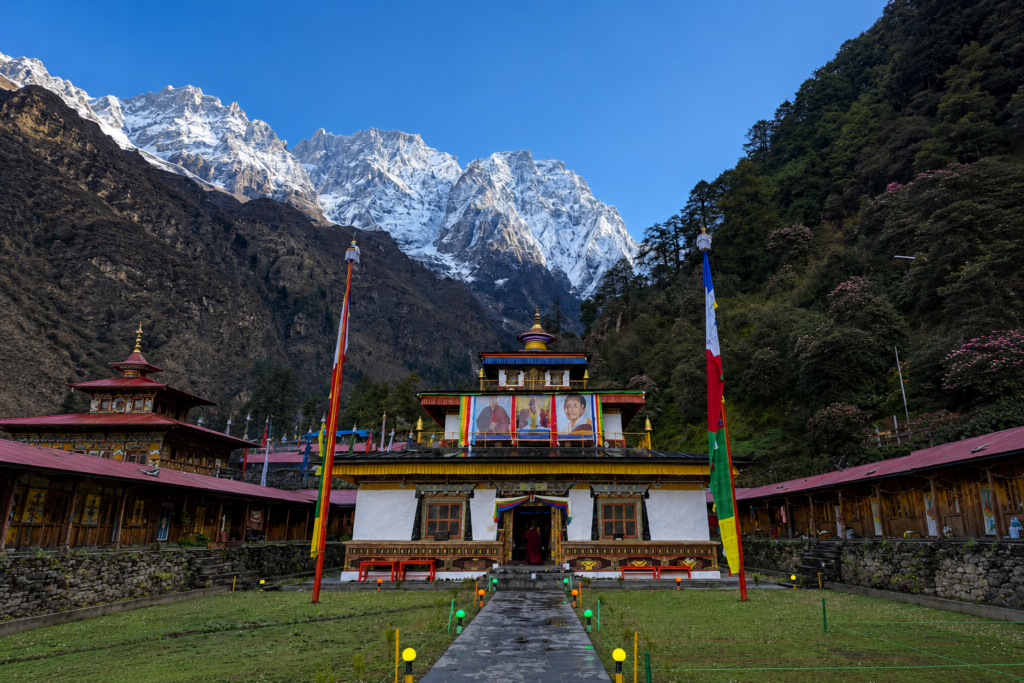
Today’s trek brings you deeper into the restricted region. The trail passes through Bihi Phedi, Ghap, and several small settlements surrounded by pine and rhododendron forests. Ancient mani walls, prayer wheels, and chortens line the route, reflecting the area’s strong Buddhist heritage. As you gain altitude, spectacular mountain views begin to emerge. Namrung is a beautiful village with excellent views of Ganesh Himal and surrounding peaks.
Day 5: Trek from Namrung to Shyala (3,520m)
Distance: 16 km
Walking Time: 6–7 Hours
This is one of the most scenic days of the trek. The route passes through Lihi, Sho, and Lho villages, offering breathtaking views of Mount Manaslu, Himal Chuli, and Ngadi Chuli. You will visit ancient monasteries, colorful prayer flags, and traditional Tibetan-style settlements. Upon reaching Shyala, you are surrounded by towering Himalayan peaks on all sides, making it one of the most picturesque locations on the entire circuit.
Day 6: Trek from Shyala to Samagaun (3,520m)
Distance: 8 km
Walking Time: 3–4 Hours
A relatively short and easy trekking day allows your body to adjust to the increasing altitude. The trail traverses alpine landscapes and yak grazing pastures before arriving at Samagaun, the largest village in the upper Manaslu region. This traditional Tibetan settlement sits directly beneath Mount Manaslu and serves as the main acclimatization stop for trekkers. Spend the afternoon exploring the village, local monasteries, and surrounding scenery.
Day 7: Acclimatization Day at Samagaun (3,520m)
Optional Hiking Distance: 8–12 km
Walking Time: 4–7 Hours
Acclimatization is crucial for a successful crossing of Larkya La Pass. Today you can choose between several rewarding side hikes. A popular option is a visit to Birendra Lake, a beautiful glacial lake beneath the Manaslu Glacier. Stronger trekkers may continue to Manaslu Base Camp at approximately 4,800 meters for incredible close-up views of Mount Manaslu and the surrounding glaciers. After the excursion, return to Samagaun for overnight accommodation.
Day 8: Trek from Samagaun to Samdo (3,860m)
Distance: 8 km
Walking Time: 3–4 Hours
Today’s trail gradually climbs through open alpine terrain with stunning mountain scenery. The landscape becomes increasingly barren as you approach the high Himalayan environment. Samdo is a traditional Tibetan refugee village located close to the Tibetan border. The village offers incredible panoramic views of surrounding peaks and serves as another important acclimatization point before crossing the pass.
Day 9: Trek from Samdo to Dharamsala (Larke Phedi) (4,460m)
Distance: 11 km
Walking Time: 4–5 Hours
The route continues along rugged mountain terrain with spectacular views of glaciers and snow-capped peaks. Crossing several streams and moraines, you eventually reach Dharamsala, also known as Larke Phedi. This small settlement serves as the final stop before crossing Larkya La Pass. The altitude is significant, so rest, hydrate well, and prepare your gear for the challenging day ahead.
Day 10: Cross Larkya La Pass (5,106m) and Trek to Bimthang (3,750m)
Distance: 16 km
Walking Time: 7–9 Hours
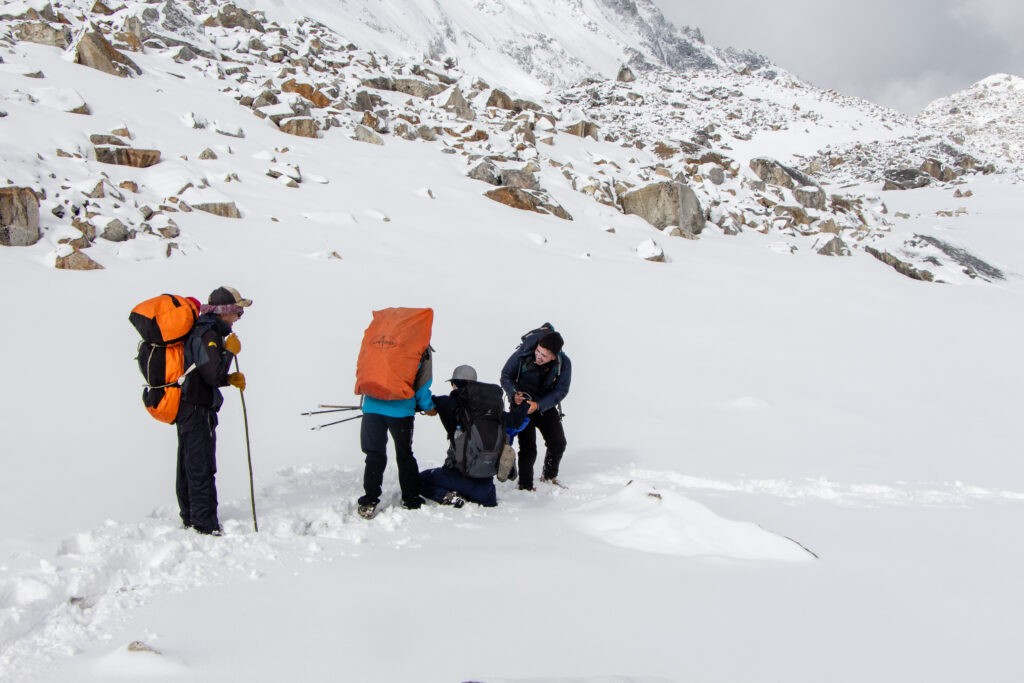
This is the highlight and most demanding day of the trek. You begin before sunrise and gradually ascend toward Larkya La Pass, the highest point of the Manaslu Circuit at 5,106 meters. The climb is challenging but rewards trekkers with breathtaking panoramic views of Himlung Himal, Cheo Himal, Kang Guru, Annapurna II, and countless snow-covered peaks. After celebrating at the summit, you descend through glacial valleys and rugged terrain to reach the beautiful meadow settlement of Bimthang. Overnight at a teahouse.
Day 11: Trek from Bimthang to Tilje (2,300m)
Distance: 19 km
Walking Time: 6–7 Hours
Leaving the high alpine environment behind, the trail descends through rhododendron forests, pine woodlands, and traditional villages. As the altitude decreases, the air becomes noticeably richer in oxygen and temperatures become warmer. You pass through Yak Kharka and Gho before arriving at Tilje, a charming village known for its traditional stone houses and welcoming local culture.
Day 12: Drive from Tilje to Besisahar and Continue to Kathmandu or Pokhara
Distance: Approximately 170 km to Kathmandu / 105 km to Pokhara
Driving Time: 7–9 Hours to Kathmandu / 5–6 Hours to Pokhara
Your final day begins with a local jeep ride from Tilje to Besisahar along a rough mountain road. From Besisahar, you transfer to a private vehicle or tourist bus for the journey back to Kathmandu or Pokhara. As you leave the mountains behind, you can reflect on an incredible adventure through one of Nepal’s most spectacular trekking regions. The Manaslu Circuit offers a perfect combination of Himalayan scenery, authentic culture, remote wilderness, and personal achievement that few treks in the world can match.
FAQ
1. Is it legal to trek the Manaslu Circuit solo without a guide?
No. While the March 2026 update by the Department of Immigration allows solo foreign travelers to obtain a Restricted Area Permit (meaning you no longer need a group of two), the requirement to hire a licensed Nepali guide remains strictly mandatory. You cannot trek this route entirely alone; you must be accompanied by a guide hired through a registered agency.
2. Can I hire just a porter and no guide?
No. By law, you must have a licensed guide. You can hire a guide-cum-porter (who performs both roles) to save money, but you cannot hire a standard porter instead of a guide.
3. How much should I tip my guide and porter?
Tipping is expected and forms a crucial part of a trekking crew’s income. A standard guideline for a 14-day trek is to tip around $100 or more for the guide, and $60 to $80 for the porter. This amount can be adjusted based on the size of your group and the exceptionalism of the service provided.
4. What is the maximum weight a porter will carry?
Ethical trekking guidelines dictate that a porter on the Manaslu Circuit should carry no more than 20 kilograms (44 lbs). It is highly recommended that two trekkers share one porter, combining their heavy gear into one 20kg duffel bag while carrying their own 8-10kg daypacks.
5. What is the best time of year to trek the Manaslu Circuit?
The peak seasons are Autumn (September to November) and Spring (March to May). During these months, the weather is stable, the skies are generally clear for mountain viewing, and the pass is crossable. Winter (December to February) brings extreme cold and heavy snow that can block the Larkya La pass, while the Summer Monsoon (June to August) brings heavy rain, leeches, and dangerous landslides.
6. Does the Manaslu Circuit have WiFi and electricity?
Yes, but it is limited and unreliable. Most teahouses along the lower and middle sections of the circuit offer basic WiFi and electricity for charging devices, usually for an additional fee (around $3 to $5). However, as you climb higher (especially in Samdo and Dharmasala), electricity is solely solar-powered and heavily dependent on the weather, and WiFi is often non-existent. Bring a high-capacity power bank.
7. Do I need specialized trekking insurance?
Absolutely. Your standard travel insurance is not enough. You must purchase a policy that explicitly covers high-altitude trekking up to 6,000 meters and includes provisions for emergency helicopter evacuation. Without this, a rescue could cost you out of pocket upwards of $5,000 to $10,000.
Conclusion
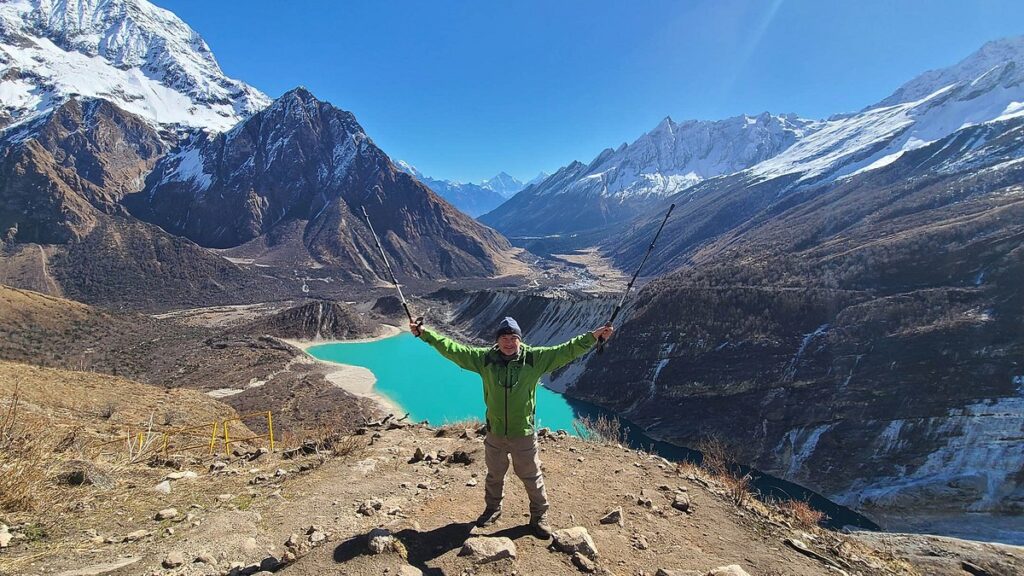
Trekking the Manaslu Circuit in 2026 is a massive undertaking that blends intense physical exertion with complex bureaucratic navigation. While the legislative updates have finally opened the door for solo travelers to acquire permits without the stress of finding a fake trekking partner, the non-negotiable requirement to hire a licensed guide remains the cornerstone of the experience.
By taking the time to carefully vet a reputable agency like Alpine Vista Treks, verify your guide’s NATHM credentials, and ethically employ a porter to shoulder the massive physical burden of high-altitude gear, you transform a potentially dangerous logistical nightmare into a safe, awe-inspiring journey. The money spent on permits, A-grade guides, and porters is not a bureaucratic tax; it is a vital investment in your personal safety, your cultural education, and the sustainable economic future of the incredible communities that call the Manaslu region home.