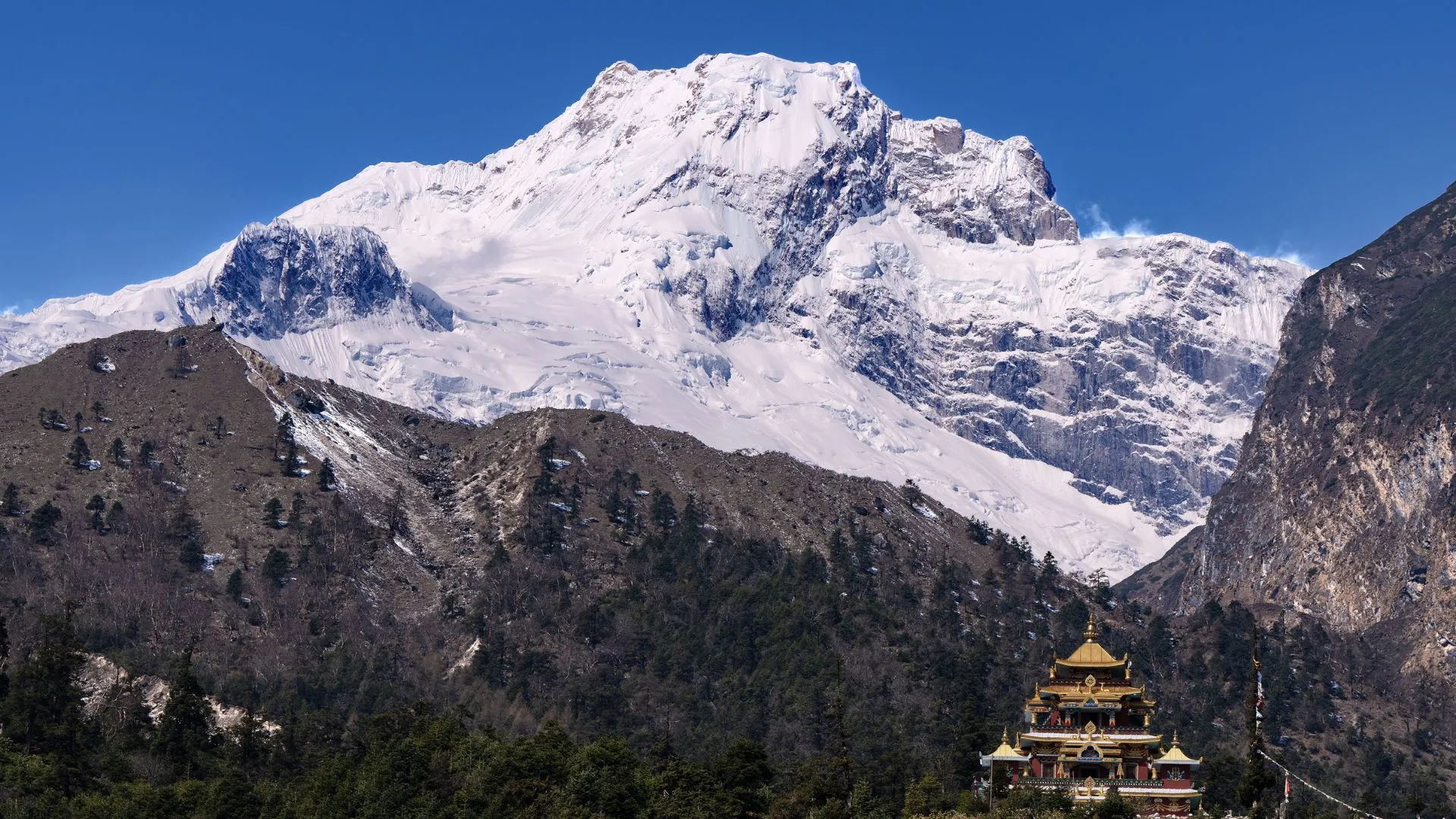
The Manaslu Circuit Trek difficulty is generally rated as a moderate to challenging trek, mainly because of its high altitude, long duration, and remote mountain terrain. The route crosses Larkya La Pass at around 5,160 meters, where the air gets thinner, and the chances of altitude-related issues increase.
On most days, trekkers spend 6 to 8 hours on the trail over a journey that usually takes 14 to 18 days, so good physical fitness and proper acclimatization are essential to complete the trek safely. Many trekkers choose to plan their journey with an experienced and government-registered trekking company to better manage these challenges with proper guidance and support.
Quick Overview of the Manaslu Circuit Trek
Video Source: (https://www.youtube.com/@Paidall-yb5xi)
Before discussing difficulty, it’s helpful to understand the trek itself. The Manaslu Circuit Trek is a restricted trekking route in the Manaslu region of Nepal, circling Mount Manaslu, the eighth-highest mountain in the world at 8,163 meters. Unlike Everest Base Camp or Annapurna Circuit, Manaslu sees fewer crowds, offering a more intimate Himalayan experience and traditional Tibetan-influenced villages .
Key Facts:
- Duration: 14–18 days
- Distance: ~170 km
- Highest Point: Larke Pass – 5,106 m
- Starting Point: Soti Khola or Machha Khola
- Average Hiking Time: 4–7 hours/day
The route passes through subtropical forests, terraced farmlands, rugged cliffs, and high-altitude landscapes, making it both diverse and unforgettable.
How Hard Is the Manaslu Circuit Trek? Difficulty Rating
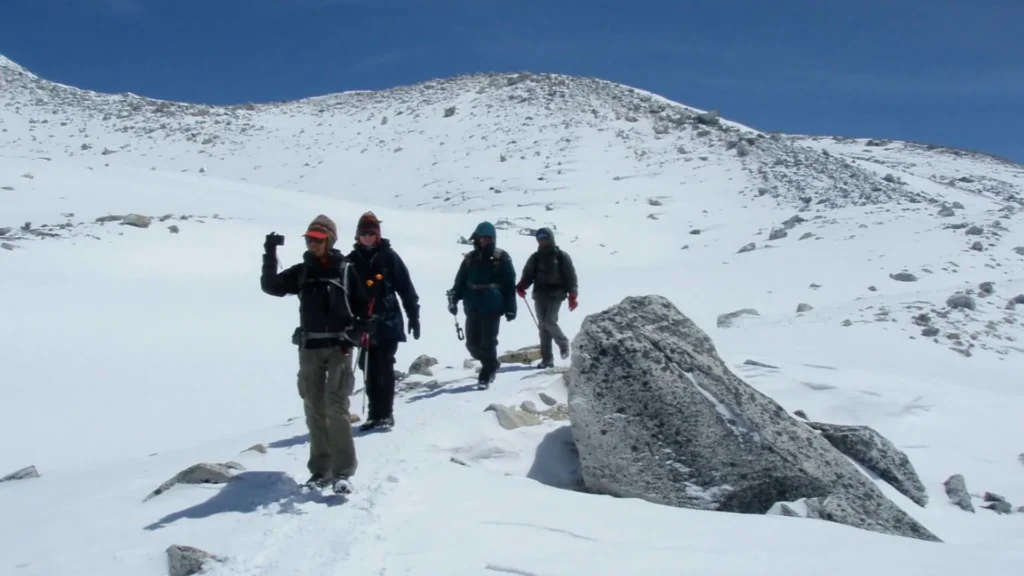
Overall, the Manaslu Circuit Trek difficulty is considered moderate, depending on your experience and preparation. Unlike more popular routes, this trek combines long trekking days, high-altitude challenges, and remote terrain, which together create a significant challenge .
Here’s a comparison with other popular treks in Nepal:
| Trek | Maximum Altitude | Difficulty |
| Langtang Valley Trek | 3,870 m | Moderate |
| Everest Base Camp | 5,364 m | Moderate–Difficult |
| Annapurna Circuit | 5,416 m | Moderate–Difficult |
| Manaslu Circuit | 5,106 m | Difficult |
Although it isn’t the highest trek in Nepal, its combination of altitude, distance, and remoteness makes it more challenging than it might initially appear.
Key Factors That Make the Manaslu Circuit Trek Difficult
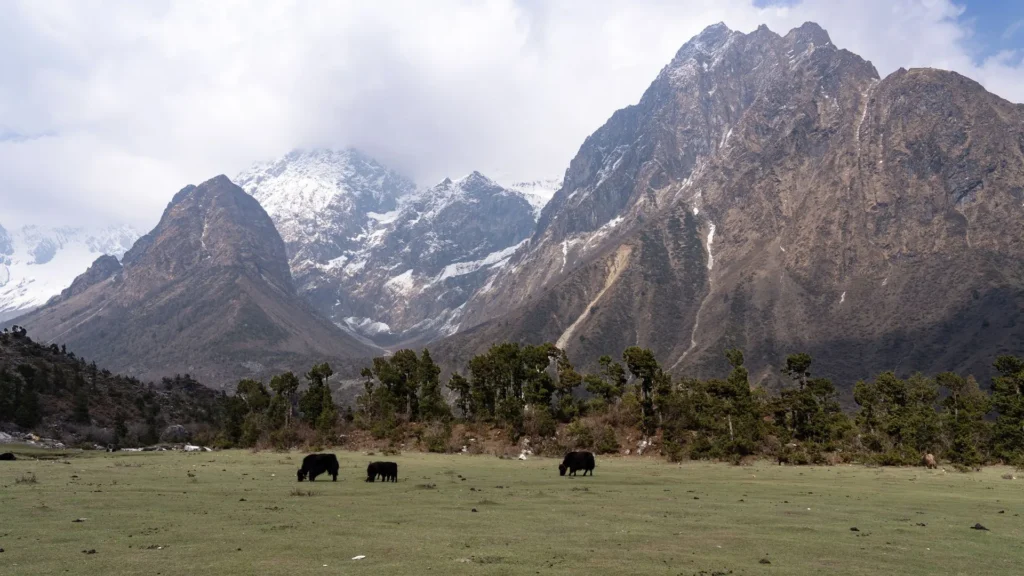
The Manaslu Circuit Trek difficulty comes from multiple factors combined. These include altitude, long trekking days, rugged terrain, limited facilities, and unpredictable weather. Let’s explore each in detail.
1. High Altitude: The Biggest Challenge
The most formidable part of the trek is the high-altitude environment, particularly crossing Larke Pass at 5,106 meters. Above 3,500 meters, oxygen levels decrease, increasing the risk of Acute Mountain Sickness (AMS).
Common AMS symptoms:
- Headaches
- Nausea
- Fatigue
- Dizziness
- Shortness of breath
Proper acclimatization is crucial, with planned stops in Samagaon (3,530 m) and Samdo (3,875 m). Experienced guides emphasize gradual ascent, staying hydrated, and recognizing AMS symptoms early.
2. Long Daily Hiking Hours
The Manaslu Circuit requires long daily treks, usually 6–8 hours, covering 10–15 km per day. While this may not seem extreme, the combination of altitude, uneven terrain, and carrying a backpack makes it physically demanding.
Example: Jagat to Deng
- Distance: ~20 km
- Trekking time: 6–7 hours
- Elevation gain: ~520 m
The longest day is the Larke Pass crossing, which can take 8–10 hours and starts before sunrise.
3. Larke Pass: The Most Challenging Segment
For most trekkers, the Larke Pass is the ultimate test. At 5,106 meters, it presents several challenges:
- Steep ascents and descents
- Thin air is causing shortness of breath
- Snow and icy conditions
- Strong winds and cold temperatures
Trekking through the Larke Pass requires careful pacing and sometimes the use of trekking poles or crampons. The reward, however, is panoramic views of Manaslu and surrounding peaks, a memory that lasts a lifetime.
4. Rugged Terrain and Trail Conditions
The trek passes through diverse terrain:
- Rocky Mountain paths
- Narrow cliff trails
- Suspension bridges
- Glacier moraines
- Forested paths
Some sections are remote and less maintained, requiring trekkers to watch their footing and move carefully.
Difficult sections include:
| Section | Terrain |
| Machha Khola → Jagat | Forest trails, moderate climbs |
| Jagat → Deng | Mixed terrain, rocky paths |
| Namrung → Samagaun | Steep climbs, uneven trails |
| Samdo → Larke Pass | Snowfields, moraines, steep ascent |
5. Remote Location and Limited Facilities
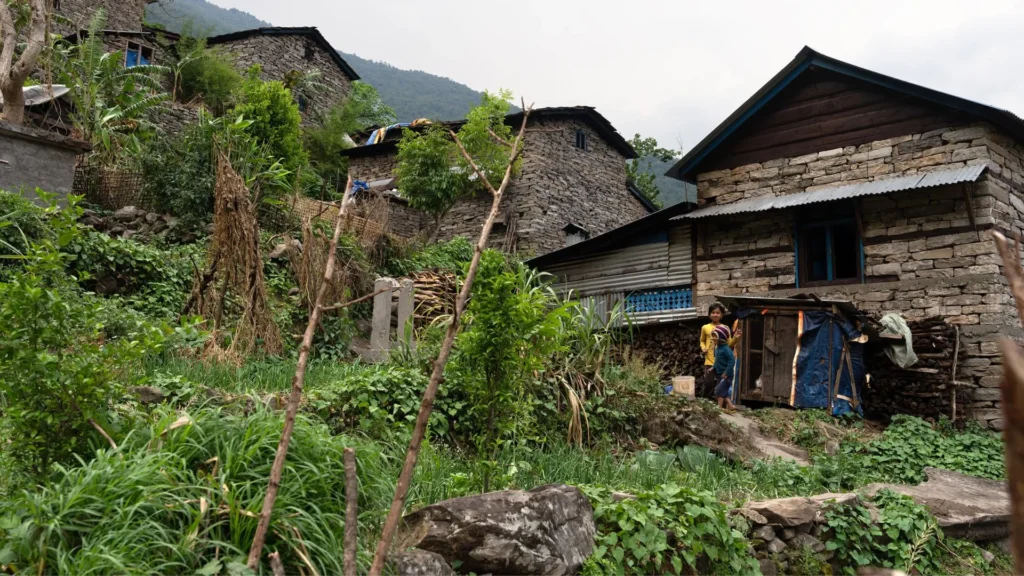
The Manaslu region’s remoteness adds to the trek’s difficulty:
- Limited teahouse accommodations
- Scarce internet and phone connectivity
- Minimal medical facilities
While this isolation enhances the trek’s appeal, it also requires self-sufficiency and mental preparation.
6. Weather Challenges
Weather significantly affects trek difficulty:
- Snow at high altitudes
- Freezing nights
- Strong winds, especially near Larke Pass
- Landslides during the monsoon season
Optimal trekking seasons:
- Spring (March–May)
- Autumn (September–November)
Trekking outside these periods increases risk and difficulty.
7. Physical Fitness Requirements
A successful trek demands good physical fitness. Trekkers should be able to:
- Hike 6–8 hours per day
- Climb steep trails
- Maintain endurance at high altitude
Preparation should include:
- Cardiovascular training
- Hiking practice
- Leg and core strength exercises
Experts recommend 8–12 weeks of preparation before the trek.
8. Can Beginners Attempt the Manaslu Circuit Trek?
Yes, but only with careful preparation:
- Build physical fitness beforehand
- Allow time for acclimatization
- Hire experienced guides
- Take longer itinerary days for recovery
Beginners should focus on enjoying the journey rather than rushing to complete the circuit.
9. Tips to Make the Trek More Manageable
To reduce difficulty:
- Train in advance – cardio and strength exercises
- Hire a guide or porter – reduces load and increases safety
- Include acclimatization days – prevent altitude sickness
- Pack light and smart – only essential gear
- Stay hydrated and eat well – maintain energy
Even experienced trekkers benefit from these strategies.
10. Rewards: Why the Challenge Is Worth It
Despite its difficulty, the Manaslu Circuit Trek is immensely rewarding:
- Panoramic views of Manaslu, Himalchuli, and surrounding peaks
- Remote villages like Samagaun and Samdo
- Tibetan culture, monasteries, and prayer flags
- Crossing Larke Pass – a personal achievement
The trek combines physical challenge with spiritual and emotional rewards, creating a truly memorable experience.
Conclusion
The Manaslu Circuit Trek is challenging due to high altitude, long trekking days, rugged terrain, and remote conditions. However, with proper preparation, acclimatization, and mindset, it is achievable for both experienced and determined beginner trekkers. The sense of accomplishment, stunning landscapes, and cultural immersion make every challenge worthwhile.
Final Thought
The Manaslu Circuit Trek may be challenging, but with the right preparation, proper acclimatization, and experienced guidance, it becomes a safe and well-managed journey rather than a risky one. High-altitude passes like the Larke Pass and remote trail conditions require careful planning, and this is where having the right support system truly matters.
Many trekkers choose to complete this trek with a government-registered trekking company in Nepal like Alpine Vista Trek, where licensed guides, structured itineraries, and real experience in high-altitude regions help ensure safety at every stage of the journey. From monitoring altitude conditions to managing pace and logistics, the focus remains on making the trek not just achievable, but secure and comfortable.
With the right team beside you, the Manaslu Circuit is no longer just a difficult trek—it becomes a confidently guided Himalayan experience you can fully enjoy.