The Langtang Gosainkunda Trek offers a remarkable transition from forested Himalayan valleys to sacred high-altitude lakes within a single journey north of Kathmandu. Over 15 days, trekkers move through changing […]
The Langtang Gosainkunda Trek offers a remarkable transition from forested Himalayan valleys to sacred high-altitude lakes within a single journey north of Kathmandu. Over 15 days, trekkers move through changing landscapes that reveal both the natural beauty and spiritual heritage of the Langtang region. This trek is thoughtfully organized by Alpine Vista Treks, a Kathmandu-based trekking company that focuses on well-paced itineraries, experienced local guides, and personalized support throughout the adventure.
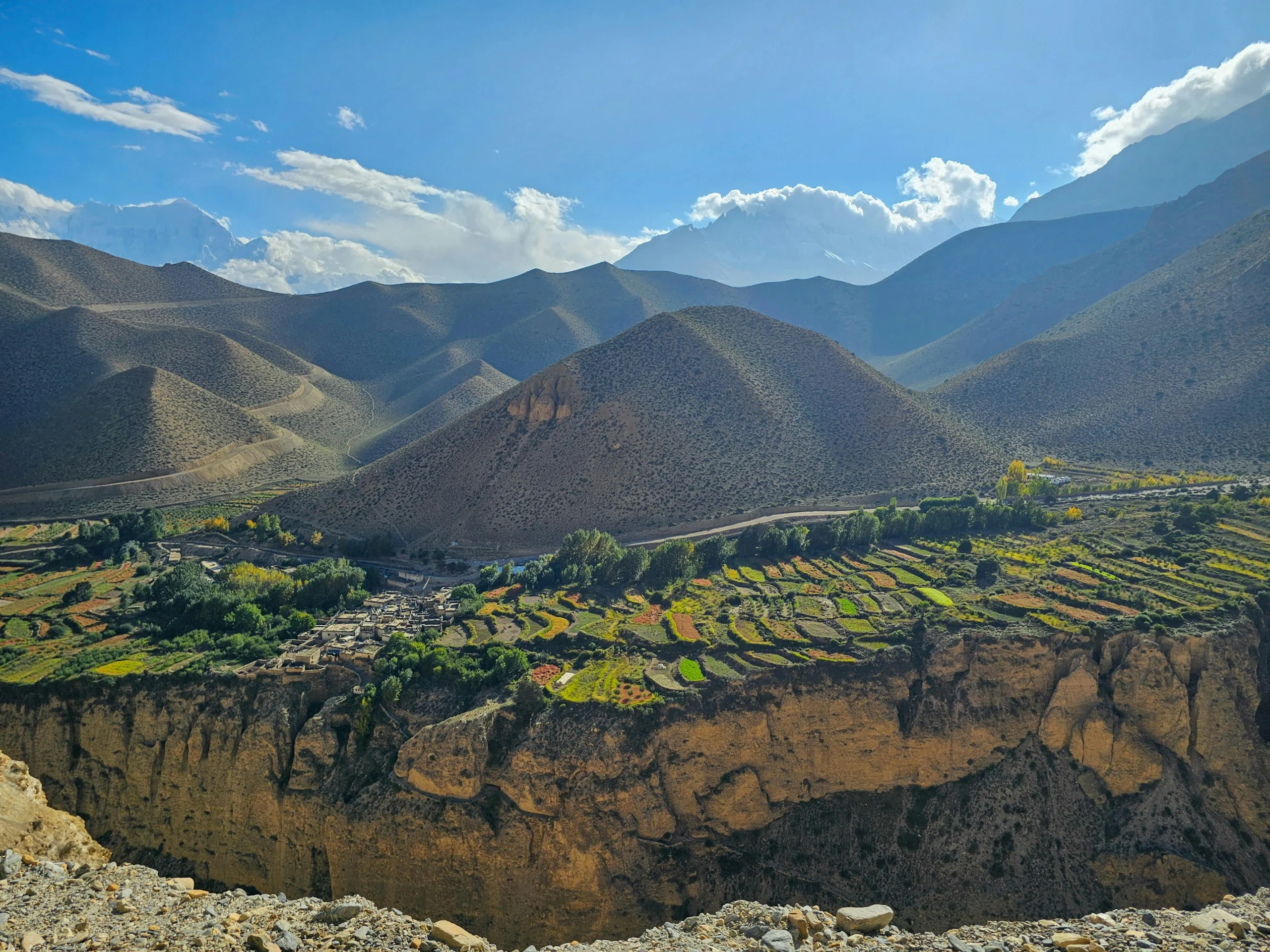
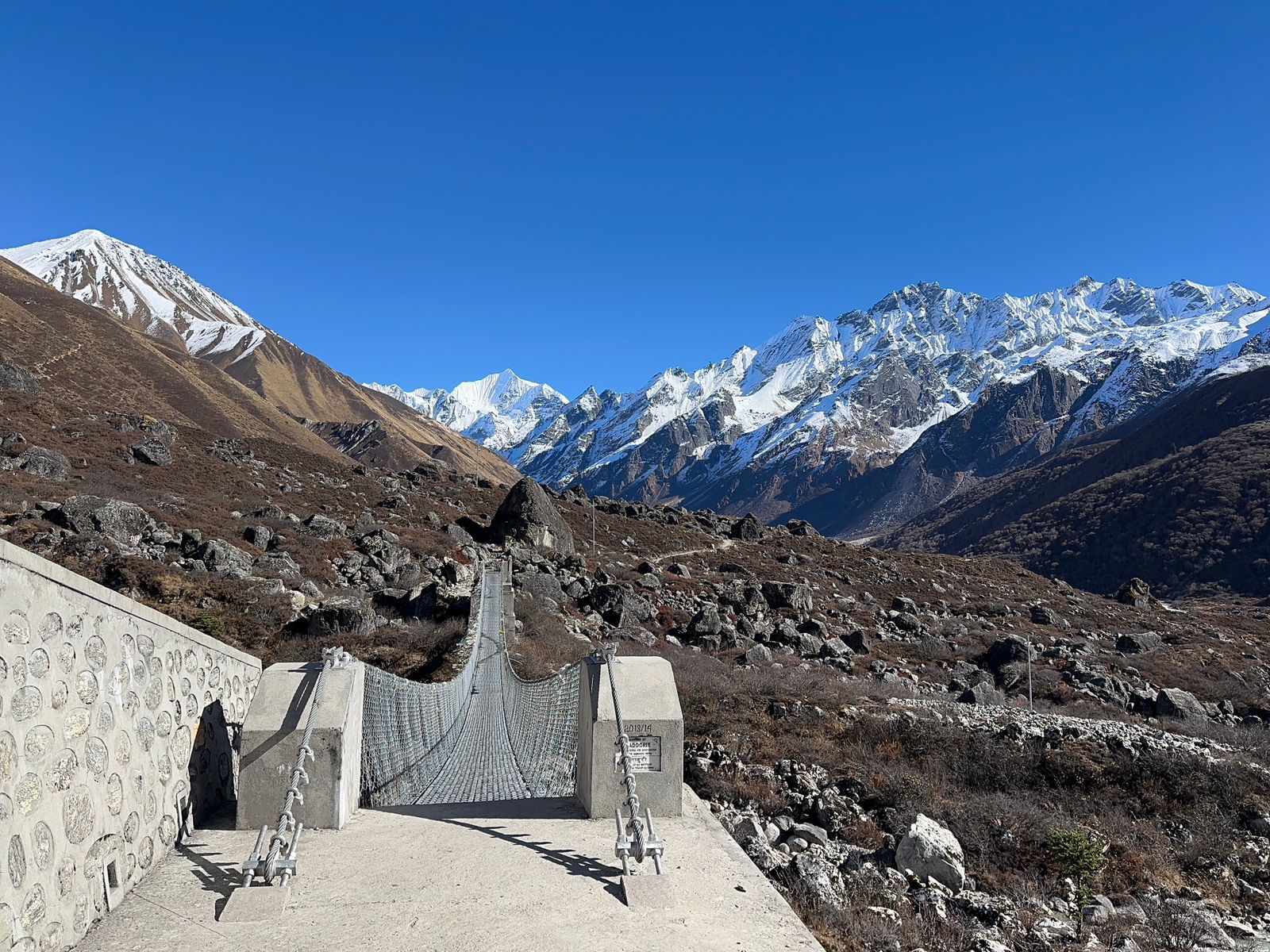
The route begins with a drive to Syabrubesi before entering Langtang National Park, where trails pass through rhododendron and bamboo forests, riverside paths, and traditional Tamang settlements. As the valley opens, the mountains rise dramatically around the settlement of Kyanjin Gompa, a peaceful alpine village surrounded by glaciers. From here, trekkers can hike to viewpoints such as Kyanjin Ri or Tserko Ri, rewarding the effort with wide Himalayan panoramas.
Leaving Langtang behind, the trek climbs into a more rugged alpine environment toward the sacred Gosainkunda Lakes, revered pilgrimage sites visited by both Hindus and Buddhists. Crossing Laurebina Pass (4,610 m) provides one of the most memorable sections of the trek before the trail descends through the quieter Helambu region.
Throughout the journey, Alpine Vista Treks supports trekkers with licensed guides, preparation advice for trekking clothing and equipment, and assistance with commonly used gear such as sleeping bags, duffel bags, and trekking poles. With careful planning and strong local knowledge, the trek becomes a safe, well-managed, and culturally meaningful Himalayan experience.
Umesh Basnet – Senior Trekking Guide
Raised in the Everest region of Solukhumbu, Umesh brings more than a decade of guiding experience across Nepal’s high mountain trails. As a licensed trekking guide, he has led groups on a wide range of Himalayan routes and is especially valued for his calm decision-making and ability to manage altitude and changing mountain conditions. His leadership helps trekkers feel confident and well supported throughout the journey.
Ronish Gurung – Trekking Guide
Coming from the Gorkha region, Ronish has spent many years working in Nepal’s trekking industry and understands the rhythm of long Himalayan journeys. He enjoys creating a relaxed trekking pace, encouraging acclimatization, and sharing insights about mountain communities along the trail. His friendly approach and strong field experience make him a trusted companion in the mountains.
Ramji Bhatta – Trekking Guide
With over ten years of trekking experience, Ramji is known for his dependable nature and careful attention to guest comfort on the trail. His familiarity with remote routes and changing weather conditions helps ensure smooth daily progress during the trek. Trekkers often appreciate his supportive attitude and dedication to making the overall experience enjoyable and safe.
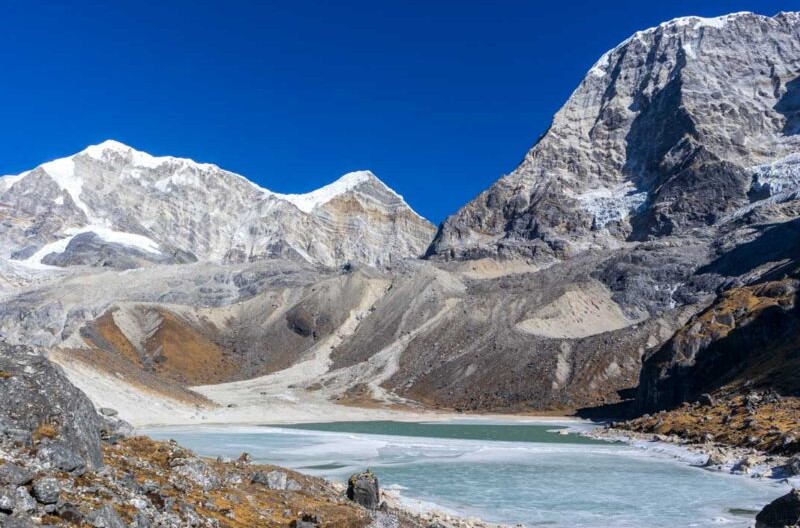
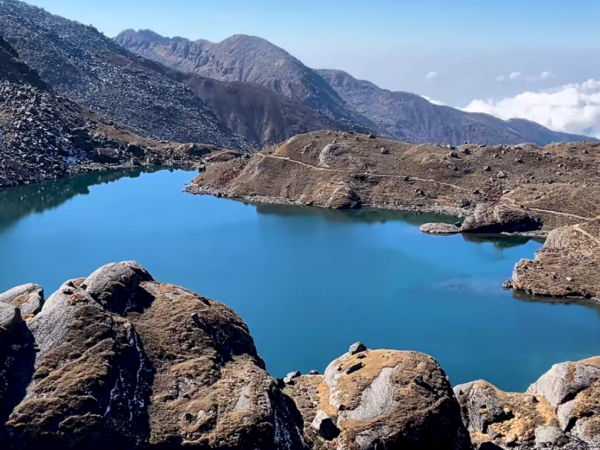
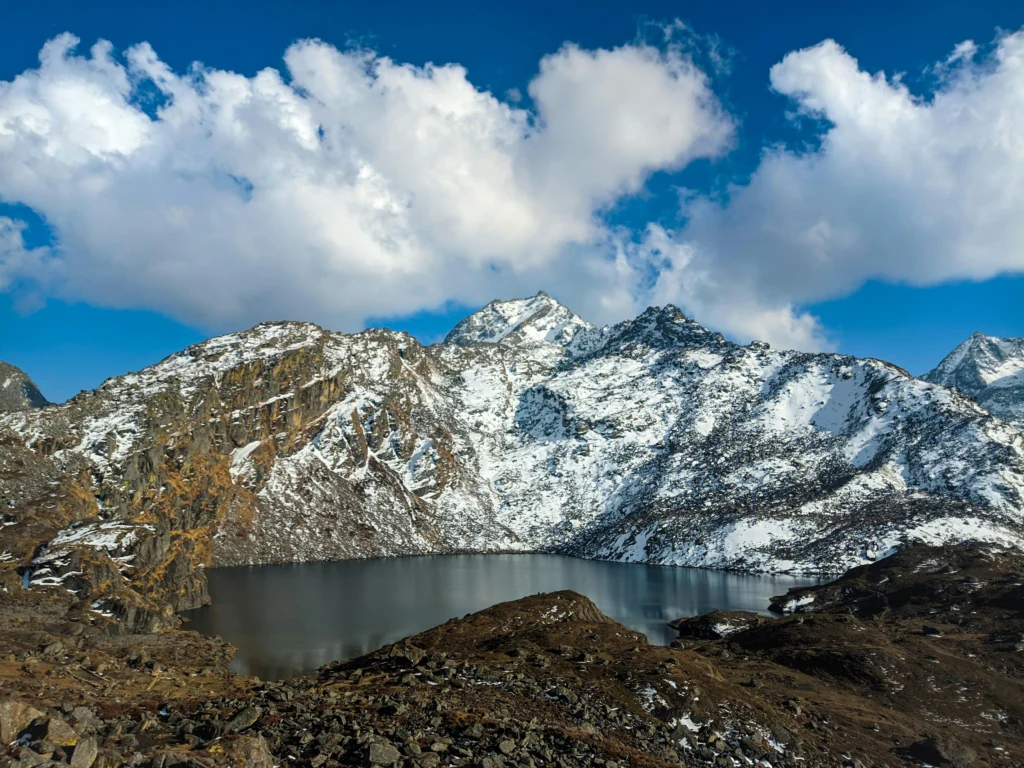
Nepal’s one of the most sacred lakes is Gosainkunda Lake. The lake is also the trek’s center of attraction. Situated at 4380m, Gosainkunda Lake is a holy alpine lake that is revered by both Hindus and Buddhists along the route. According to the legend, the lake was formed by Lord Shiva. Thousands of pilgrims set their feet on Gosainkunda during the day of Janai Purnima for a holy walk. This stunning turquoise surrounded by the rocky peaks makes this place a spiritual and scenic powerhouse.
Kyanjing Gompa is another highly revered center along the trail. This monastery village is a spiritual and cultural center of the Langtang Valley. The monastery offers a peaceful retreat to the trekkers for acclimatization and exploration. Trekkers who are here must not miss the local cheese factory and enjoy the local yak’s cheese. Kyanjing Gompa is a total retreat as a rest stop amidst the Himalayan setting.
The exploration day at Kyanjing Gompa will allow for an ascent of Kyanjing Ri or Tserko Ri. These two viewpoints are known for their most famous panoramic offerings of the Himalayas. 360-degree views of the Langtang Himalayas will be seen along the route. We will get a close-up look at the Langtang Lirung, and we will see Langtang Glacier. Such offerings are a major highlight of our Langtang-Gosainkunda Trek.
Laurebina Pass is the highest point of our trek. The pass will connect us to Langtang Valley to the Gosainkunda Lakes. This is a challenging crossing at 4610m, which takes a proper belting of endurance. However, the rewards will compensate for the adventure. We will be rewarded with the stark landscapes and Himalayan views of Ganesh Himal and the Annapurna range on fair days. This pass crossing will be one of the best experiences for the trekkers.
The Langtang Valley is known as “Valley of Glaciers”. As we trek from Lama Hotel to the Langtang village and Kyanjing Gompa, we will be rewarded with diverse landscapes. We will cross the dense forests and encounter the lively U-shaped glacial valley. The mani walls, chortens, and yak pastures will offer us a classic Himalayan experience with the authentic Tibetan Culture on display.
Our entire trek will be within the Langtang National Park. It is also Nepal’s first Himalayan National Park. The incredible biodiversity will be on display with the trails winding through the woodlands. This is a protected region and is a critical habitat for the elusive Red Panda. The trekkers appreciate the diverse flora and fauna. Set against the staggering Himalayan backdrop, this national park crossing will be one of the best experiences. If we are lucky, we may encounter Himalayan tahr as well.
We will experience an authentic cultural experience of the central Himalayan region of Nepal. The Tamang Villages, like Thulo Syabru and Langtang village, are the prime examples. We will experience the unique Tamang culture, influenced by the Tibetan architecture and warm hospitality. This is more than just a mountain trek; a cultural journey as well.
Our Langtang Gosainkunda trek offers an incredible tapestry of adventure and a combination of the lush Langtang Valley with the sacred high-altitude Gosainkunda Lakes. This is renowned for its rich cultural immersion and diverse landscapes. While being accessible from Kathmandu without catching a flight, this trek provides great rewards with fewer crowds than the other major routes.
| Permit Type | Price for SAARC Nationals | Price for Other Foreigners |
| Langtang National Park Entry Permit | NPR 1,500 | NPR 3,000 |
| TIMS Card (Trekkers’ Info. System) | NPR 300 (For group trekkers) | NPR 1,000 (For group trekkers) |
| Shivapuri Nagarjun National Park Permit | NPR 600 | NPR 1,000 |
| Total Estimated Permit Cost | NPR 2,400 | NPR 5,000 |
Spring (March – May)
Spring is one of the most rewarding seasons to undertake the Langtang-Gosainkunda Trek. Spring is also known as the season of new life that transforms the Langtang region into a vibrant paradise. This period offers pleasantly warm weather at the lower elevations that becomes comfortable as we ascend. The average temperature will also remain warm and comfortable for trekking.
Spring is widely known for the blooming rhododendron forests, which paint the landscape in its red and white colours. The wildlife also becomes active this season, and you may encounter red panda and Himalayan Tahr if lucky. The majestic and vibrant Himalayan views will consistently linger around us throughout the trek. Spring is truly a brilliant and friendly season to undertake treks in Nepal, as it offers an ideal balance of stunning natural beauty and excellent, stable trekking conditions.
Autumn(September-November)
Autumn is an iconic Nepal Trekking season. The season is widely regarded as the best season to trek or tour in Nepal. The season offers the most stable and rewarding weather and visual experience. The temperatures are very comfortable, while the nights will be cool. Following the monsoon, the dry autumn will reward with the dry trails, sunny weather, and a perfect scenery to look at.
The crystal-clear mountain views will be seen as unrivalled. The photographer’s paradise is the season. Also, the season collides with the biggest celebrations in Nepal, Dashain and Tihar. There will be ample opportunities to see and celebrate such festivals with the locals. This season will truly be joyful and immersive in its own terms.
Special Event: The gathering at Janai Purnima
On the full moon, Gosainkunda Lake transforms into a vibrant pilgrimage site. Thousands of Hindu and Buddhist devotees will gather here for a holy bath. The general belief is that the sacred water will cleanse the sins committed by humans. The air fills with chanting and the sound of drums. More than 12,000 people took part in the gathering in 2025. This is an unmatched cultural practice for the highly revered Lord Mahadev(Shiva). The breathtaking spectacle happens just once a year, so witnessing this is a profound cultural immersion into this alpine turquoise.
The Langtang Gosainkunda Trek is rated a moderate to strenuous trek. The trek has a mixed set of trails; most sections are well-maintained and marked, while some of the sections involve steep ascents and descents. Crossing Laurebina Pass will uncover the resilience and endurance of your body with the altitude gain and its ascent. Good preparation and hiking experience will definitely help to fully enjoy this trek without catching the symptoms of altitude sickness.
Here are the most essential ways to manage altitude sickness (AMS):
Our Langtang Gosainkunda Trek offers a profound cultural immersion throughout the trek. The local authentic culture of the Tamang people will be displayed in the settlements. The villages like Langtang Village, Thulo Syabru, and Laurebina are the hub of the Tamang culture. We can witness a Himalayan life against the beautiful Himalayan views. The trail is marked with chortens, prayer flags, and ancient monasteries. The sacred Kyanjing Gompa is the profound monastery of all.
The Buddhist heritage is a unique blend of Hindu and Tibetan-Buddhist heritage and beliefs. The sacred Gosainkunda Lake is also one of the highly revered lakes in Nepal by both Hindus and Buddhists. Thousands of pilgrims and Shamans gather for ritual baths on the full moon of August. The drumming ceremonies are believed to wash away the sins of humans. The Gosainkunda lake visit is a profound and lifetime experience.
Food along the Langtang Gosainkunda Trek is served in the dining halls of the teahouses. The food will be varied in taste and options. The most reliable and energy-rich meal is Dal Bhat. This Nepali staple consists of rice, lentil soup, and vegetable curry with the topping of sour pickle. The refills are unlimited and free.
Menus also offer Tibetan and foreign dishes along with Nepalese staples. For variety, travelers can find western-style items like pizza, pasta, pancakes, and porridge. The breakfasts typically include eggs, toast, and Tibet bread. Trekkers should not miss the fresh yak cheese from the local factory in Kyanjing Gompa. We recommend that you bring some snacks and dry fruits to maintain your dietary needs during the daytime.
Accommodation during our Langtang-Gosainkunda Trek will be in the local teahouses or lodges. The teahouses will provide basic and comfortable lodging. A simple room will contain two beds with a mattress, pillow, and blanket. The bathrooms will be shared and basic throughout the trek.
The communal dining hall is the heart of the trek, as this will provide the trekkers to enjoy the hot tea and reflect on the day’s trek with fellow trekkers. The dining room is heated by the wood-burning stove at night, which makes it easy and comfortable to heat. The extras like internet, hot showers, and device charging are also available for a small fee. The nights can be very cold, hence having your own sleeping bag will be very necessary.
Travel Insurance is a very important and non-negotiable element while travelling to Nepal’s remote region, and rightly so in the Langtang-Gosainkunda trek. The trek reaches high altitudes in the remote regions and high altitudes over 4500m, so the risks of altitude sickness increase. A comprehensive travel insurance will help in recovering of high costs of emergency medical treatment and helicopter evacuation. Travel Insurance is a life-saving component that can also save you thousands of dollars.
While choosing the policy, one must specifically choose the policy that covers high-altitude trekking up to 5000m, and covers the facility of emergency medical response and helicopter rescue. You must always verify the altitude limit with your travel insurance before boarding the flight. Alpine Vista Treks will further help with your travel insurance if you have any confusion regarding it.