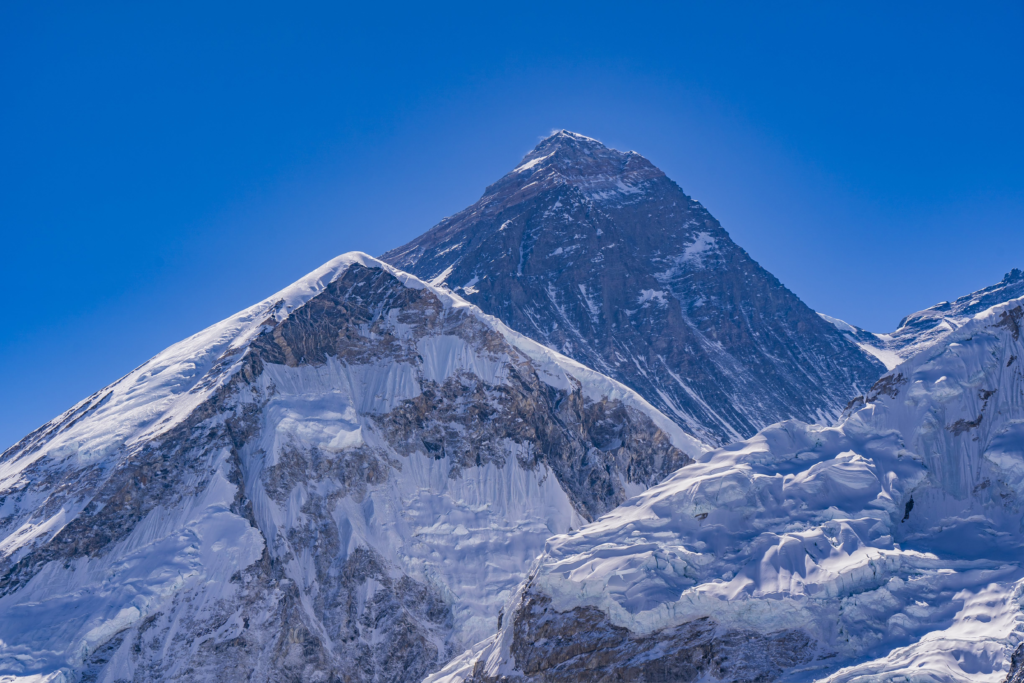
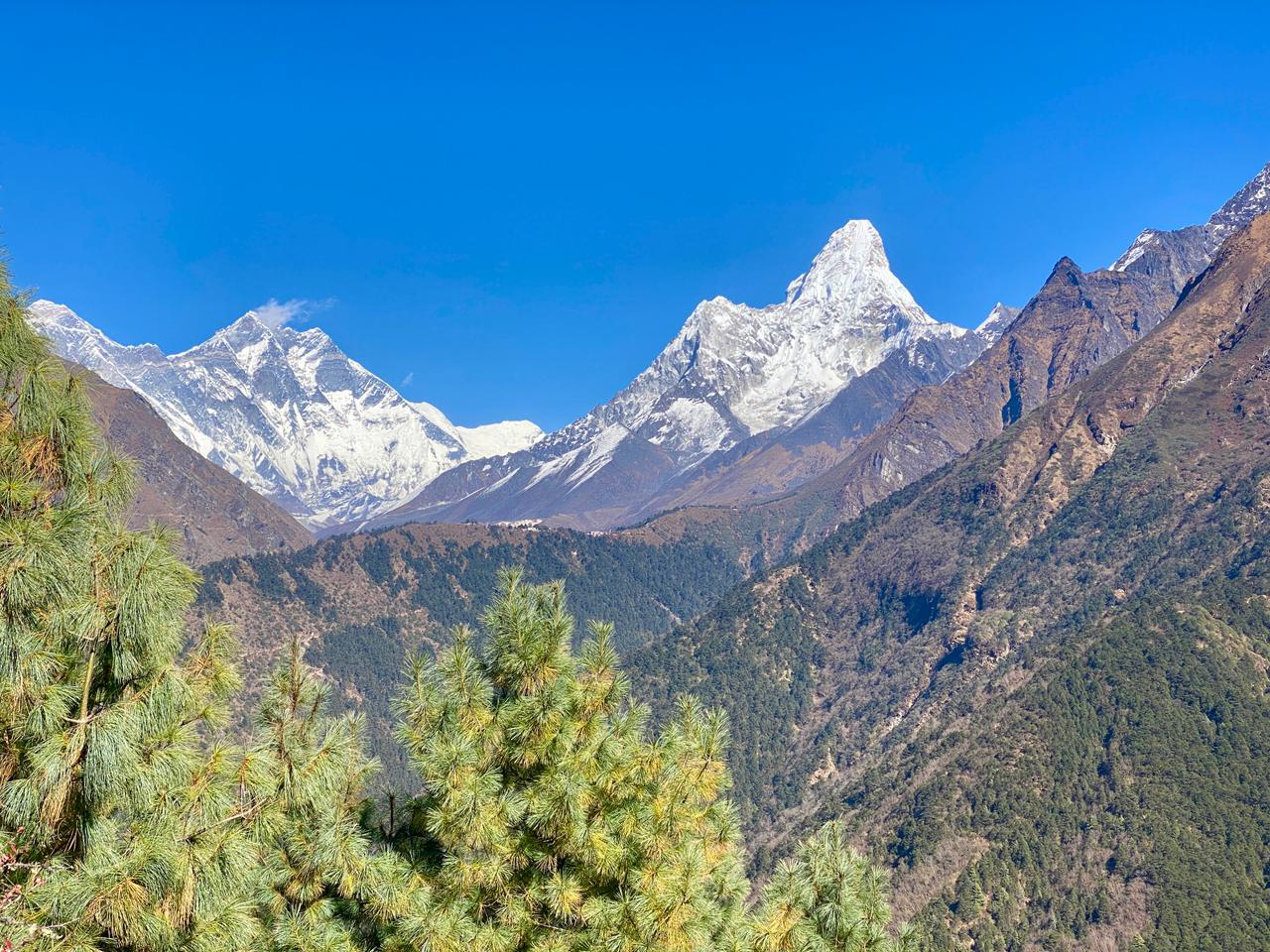
Reaching Everest Base Camp is a lifelong dream for many trekkers. The journey is not a technical climb, but it is a serious high-altitude adventure that demands preparation, patience, and the right mindset. At Alpine Vista Treks, we guide trekkers of different ages and fitness levels to the Everest Base Camp Trek Difficulty, every season, and one truth remains constant: those who prepare well enjoy the trek far more and face fewer challenges on the trail.
If you are wondering whether you have what it takes to stand at the foot of the world’s highest peak, the answer is likely yes—provided you are willing to put in the work beforehand. In this comprehensive guide, we will break down the true difficulty of the Everest Base Camp (EBC) trek, outline the physical fitness required, and provide a roadmap for your training and preparation.
1. Understanding the Real Difficulty of the EBC Trek
Before lacing up your boots and hitting the gym, it is crucial to understand what exactly you are training for. The Everest Base Camp trek is often categorized as a “moderate to strenuous” hike. But what does that mean in practical terms?
- No Technical Climbing: You will not need ice axes, crampons, or ropes. The route is a well-trodden hiking trail, heavily utilized by trekkers, locals, and yaks. If you can walk, you can theoretically do this trek.
- The Distance: The classic round-trip route from Lukla to Everest Base Camp and back is approximately 130 kilometers (about 80 miles). Spread over a typical 12 to 14-day itinerary, this translates to about 10 to 15 kilometers of walking per day.
- The Duration: You will be hiking for 5 to 7 hours a day, almost every single day, for nearly two weeks. This requires sustained stamina rather than explosive bursts of speed.
- The Terrain: The trail is rarely flat. You will encounter steep stone staircases, rocky moraines, suspension bridges swinging high above glacial rivers, and dusty, uneven paths.
- The Altitude: This is the ultimate wildcard. Starting at 2,860 meters (9,383 feet) in Lukla, you will ascend to a maximum elevation of 5,364 meters (17,598 feet) at Base Camp, and possibly 5,555 meters (18,225 feet) at Kala Patthar. At these altitudes, oxygen levels are roughly 50% lower than at sea level.
The Everest Base Camp Trek Difficulty is not the steepness of the trail, but the combination of multi-day endurance combined with thin air.
2. The Three Pillars of Everest Base Camp Trek Fitness
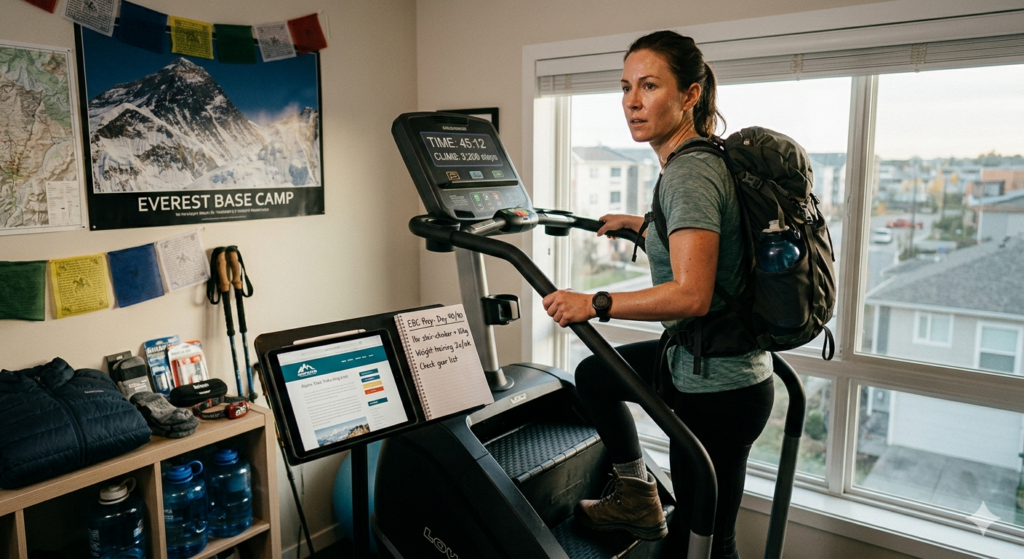
To conquer the trail with a smile on your face rather than grimacing in pain, your training should focus on three core pillars: cardiovascular endurance, strength conditioning, and trekking practice.
Cardiovascular Endurance
Your heart and lungs will be working overtime in the Himalayas. Building a strong cardiovascular foundation allows your body to utilize oxygen more efficiently—a vital skill when oxygen is in short supply.
- Activities: Running, brisk walking, cycling, swimming, and using the stair-stepper machine are all excellent choices.
- Frequency: Aim for 3 to 4 cardio sessions a week.
- Intensity: Focus on long, slow distance (LSD) training. The goal is not to sprint, but to sustain an elevated heart rate for an extended period. You should be able to hold a conversation while doing your cardio. Start with 30-minute sessions and gradually build up to 60-90 minutes.
Strength Conditioning
Trekking in the Khumbu region demands significant lower body and core strength. You will be propelling yourself up thousands of stone steps and stabilizing your body on rocky descents, all while wearing a daypack.
- Lower Body: Focus on exercises that build your quadriceps, hamstrings, glutes, and calves. Squats, lunges, step-ups, and calf raises should be staples in your routine.
- Core: A strong core helps maintain balance on uneven terrain and prevents lower back pain from carrying a backpack. Incorporate planks, Russian twists, and sit-ups.
- Upper Body: While less critical, having adequate shoulder and upper back strength will make carrying your 5-8 kilogram daypack much more comfortable. Light weightlifting or push-ups will suffice.
- Frequency: Aim for 2 strength training sessions per week.
Trekking Practice and Boot Break-in
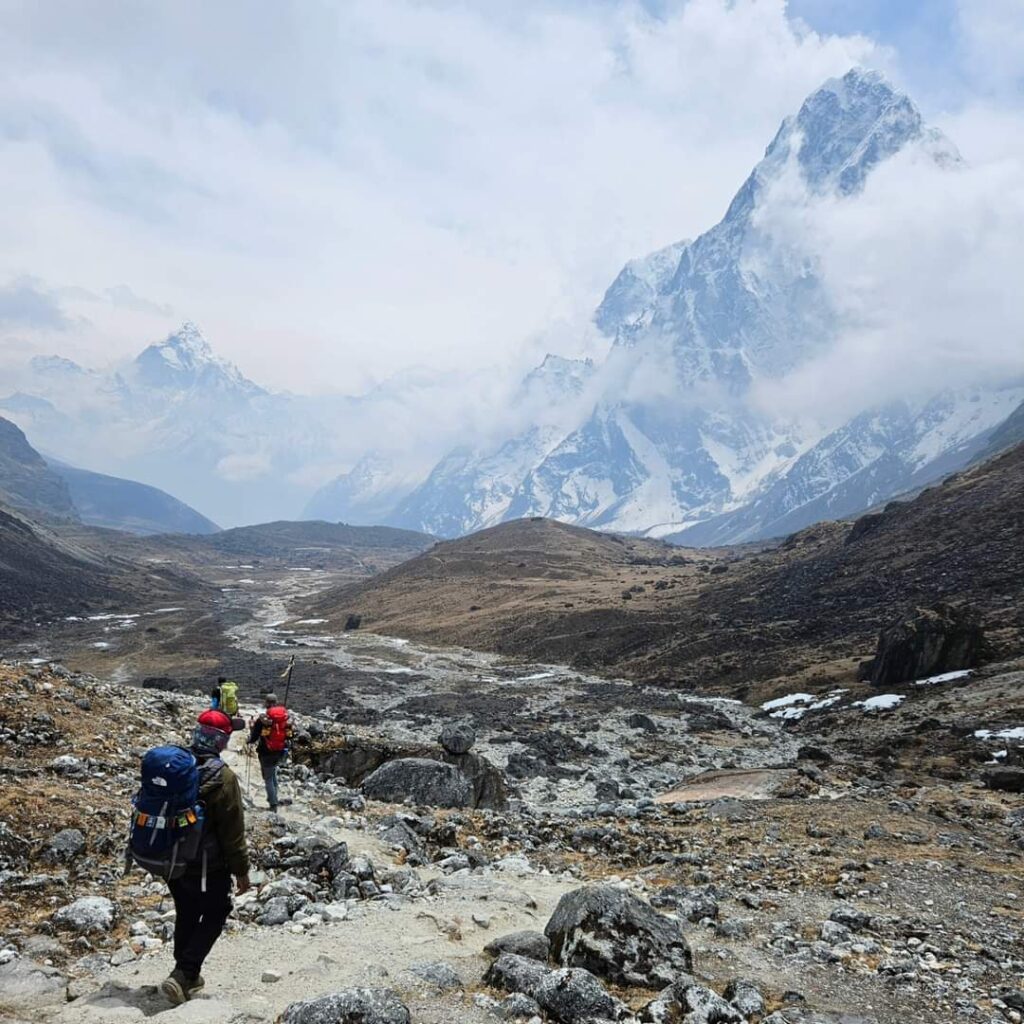
The most sport-specific training you can do for trekking is, unsurprisingly, trekking. Walking on a flat treadmill is very different from navigating the uneven terrain of the Himalayas.
- Hit the Trails: Dedicate one day a weekend to a long hike. Start with 2-3 hours and gradually build up to 5-6 hours. Seek out hills, local mountains, or uneven terrain to mimic the EBC trail.
- Wear Your Gear: This is the time to break in your trekking boots. Never bring brand-new, unworn boots to Nepal; you will be guaranteed debilitating blisters. Wear the exact socks and boots you plan to use on the trek.
- Carry a Pack: Load your daypack with 5 to 8 kilograms (water bottles are great for adding weight) to get your shoulders and back accustomed to the load you will carry every day.
3. A Recommended Training Timeline
Proper adaptation takes time. We recommend starting your training at least 12 to 16 weeks (3 to 4 months) before your departure date.
- Months 4-3 Before Trek: Focus on building a baseline. Start your 3x a week cardio routine and 2x a week strength training. Begin doing shorter weekend hikes (2-3 hours).
- Months 2-1 Before Trek: Increase the intensity and duration. Lengthen your cardio sessions. Your weekend hikes should now be 4-6 hours long, carrying your weighted daypack. Focus heavily on stair-climbing workouts to prepare for the steep ascents in Namche Bazaar and Tengboche.
- The Final 2 Weeks: Taper off. This is not the time to push for new personal records. Reduce the intensity of your workouts to allow your muscles to fully recover. Do some light stretching, yoga, and short walks to stay loose. You want to arrive in Kathmandu fresh, not fatigued.
4. Mental Preparation: The Hidden Key to Success
Physical fitness will get your legs up the mountain, but mental toughness will keep you moving when the conditions get difficult. EBC is as much a mental challenge as it is a physical one.
Expect to step far outside your comfort zone. The tea houses you sleep in will be unheated, meaning nighttime temperatures in your room can drop below freezing. Showers are scarce and cost extra. You will likely experience minor stomach bugs, headaches, the famous “Khumbu cough” from the dry mountain air, and general fatigue.
Tips for Mental Resilience:
- Embrace Discomfort: Accept early on that you will be cold, tired, and dirty. It is part of the authentic Himalayan experience.
- Pace Yourself: In Nepal, we say “Bistarai, Bistarai,” which means slowly, slowly. EBC is not a race. Walking at a slow, steady pace conserves energy, prevents sweating (which makes you cold later), and aids immensely in acclimatization.
- Break the Trek Down: Looking at a 14-day itinerary can be overwhelming. Focus only on the day ahead. Once you are walking, focus only on making it to the next tea break or lunch stop.
5. The Altitude Factor and Acclimatization
It is incredibly important to note that you cannot physically train for altitude at sea level. The fittest marathon runner can succumb to Acute Mountain Sickness (AMS), while an average hiker might feel completely fine. Altitude does not care about your gym routine.
However, being physically fit means your body uses oxygen more efficiently, which reduces the baseline stress on your system.
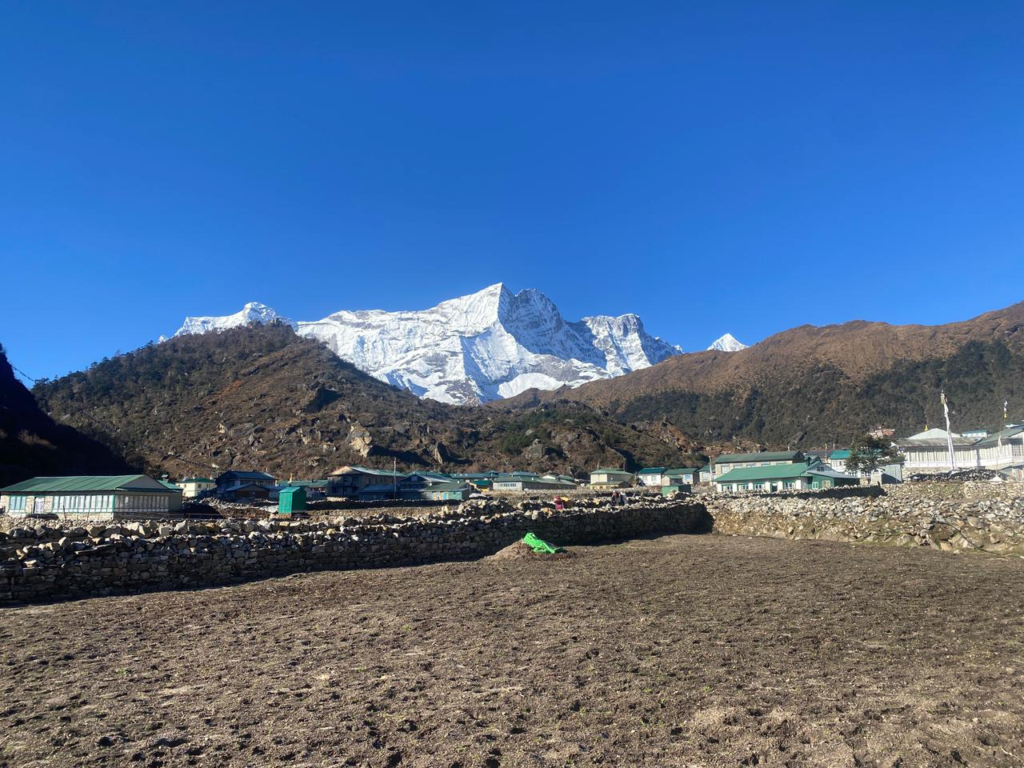
To give yourself the best chance against altitude sickness:
- Hydrate Relentlessly: You need to drink 4 to 5 liters of water every single day. Dehydration masks and exacerbates the symptoms of altitude sickness.
- Eat Properly: Your body burns significantly more calories at high altitudes. Even if you lose your appetite (a common symptom of altitude), force yourself to eat carbohydrate-rich meals like the local staple, Dal Bhat.
- Do Not Hide Symptoms: At Alpine Vista Treks, our guides are trained to monitor your health. If you feel a headache, nausea, or extreme fatigue, tell your guide immediately. Minor symptoms can be treated with rest, hydration, or medication like Diamox. Ignored symptoms can escalate into dangerous conditions like HACE or HAPE, requiring immediate evacuation.
6. Gear and Nutrition: Setting Yourself Up to Win
While fitness dictates your physical capability, your gear and nutrition dictate your comfort.
Investing in a high-quality, layered clothing system allows you to easily adjust to the wildly fluctuating mountain temperatures. A premium four-season sleeping bag is non-negotiable for getting a restorative night’s sleep in freezing tea houses. Well-fitted, worn-in boots and moisture-wicking merino wool socks will save your feet from agonizing blisters.
Nutritionally, while the tea houses offer a surprisingly varied menu (including pasta, pizza, and potatoes), stick to fresh, locally prepared foods. Avoid meat at higher elevations, as all meat is carried up by porters or yaks over several days without refrigeration. Rely on carbohydrates for sustained energy, and bring a stash of your favorite protein bars, trail mix, or chocolates from home for a morale-boosting snack on tough trekking days.
Altitude: The Real Challenge
As you trek higher into the Sagarmatha National Park, oxygen levels drop significantly. Even very fit people can feel tired, breathless, or slow.
Key high points:
- Namche Bazaar – 3,440 m (first altitude test)
- Dingboche – 4,410 m
- Lobuche – 4,940 m
- Kala Patthar – 5,545 m
This is why proper acclimatization days are included in the itinerary.
Final Thoughts
The Everest Base Camp trek is a magnificent, life-changing undertaking. Standing before the Khumbu Icefall, surrounded by the greatest peaks on the planet, is a reward that far outweighs the physical exertion required to get there.
By committing to a structured training plan consisting of cardio, strength, and hiking practice, breaking in your gear, and cultivating a resilient mindset, you are doing more than just preparing to survive the trek—you are preparing to thrive on it.
Start your preparations early, respect the mountain, and walk slowly. The Himalayas are waiting for you, and at Alpine Vista Treks, we are ready to guide you every step of the way to the top of the world.