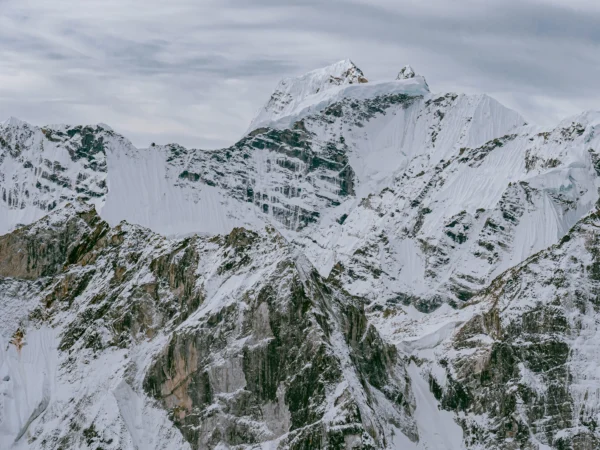
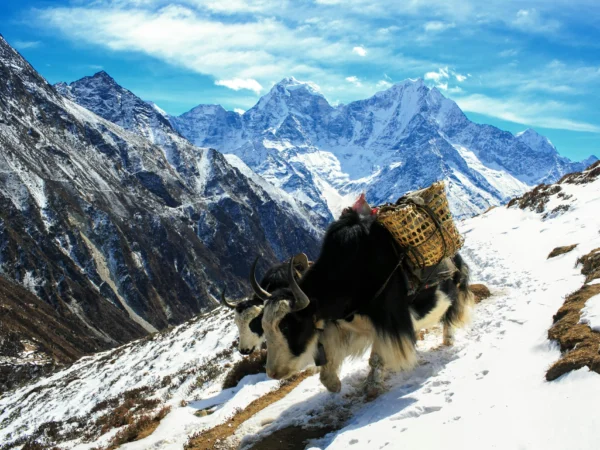
Alpine Vista Treks brings to you the Everest View Trek, also known as the Everest Panorama Trek, which is a perfect short adventure for beginners who want to experience the […]
Alpine Vista Treks brings to you the Everest View Trek, also known as the Everest Panorama Trek, which is a perfect short adventure for beginners who want to experience the majesty of the Khumbu region. This meticulously crafted itinerary for 9 days exposes us to the serene Himalayan scenery with the blend of Sherpa Culture and gentle push of altitude. This trek is not very adventurous or difficult, but it provides the panoramic backdrop of the Himalayas, which provides us with an opportunity to blend with the Sherpa culture.
The trek starts with an early morning flight to Lukla’s Tenzing-Hillary airport, which serves as a gateway for this trek. The flight will provide us with the miraculous scenery of the Himalayas from an aerial perspective. Once we follow the trail to Namche Bazaar via Phakding and Monjo, we will get the serene setting of lush greenery along the riverbed of the Dudh Koshi River. While being in Namche Bazaar, we will get the modern amenities and setting perfectly blended with the culture and the peak Himalayan backdrop.
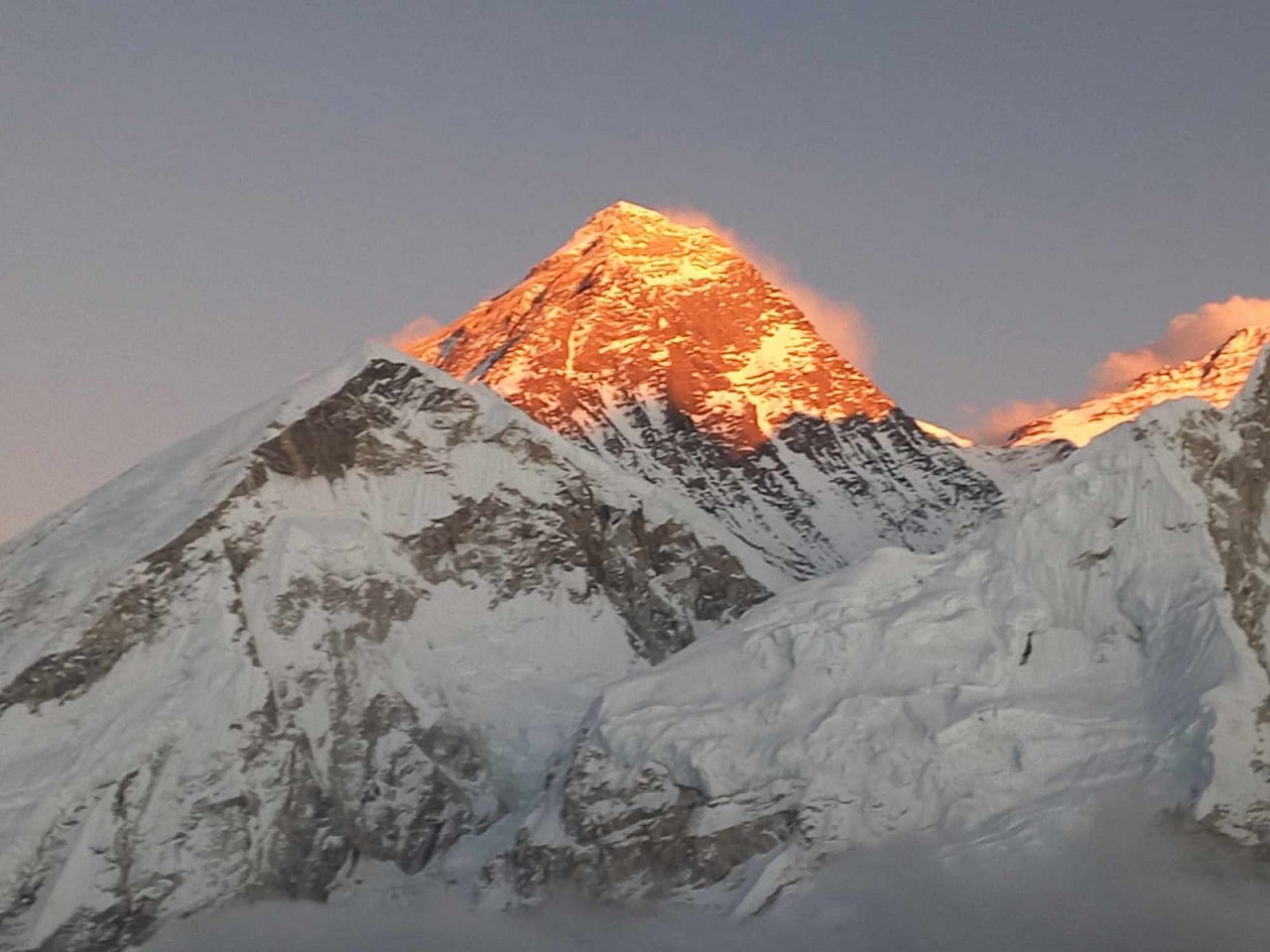
One of the trek’s highlights is a side hike to the Everest View Hotel, which is one of the highest hotels in the world. The hotel’s rooftop balcony offers breathtaking panoramic views of Everest and nearby peaks, perfect with a cup of tea. We will also visit the Tengboche Monastery, which is known as the cultural capital of the Khumbu region.
We will have an opportunity to immerse ourselves in the best of Sherpa culture in Tengboche Monastery against the terrific backdrop of Ama Dablam. The trail will take us to another Sherpa village named Khumjung, which is one of the oldest settlements. Khumjung village is famous for its monastery that preserves the mythical Yeti scalp and is also home to the first Hillary school that was established by the great climber Sir Edmund Hillary.
The trek is positioned as moderate and perfect for beginners and families. This is also perfect for those with a limited time, but who want to explore the Khumbu region, savouring the views of Everest and other towers. With Alpine Vista Treks, trekkers will receive one-on-one attention and service from the professional guides, warm hospitality, and an immersive experience. Join us today to undertake and short, beautiful, and immersive journey to the land of Everest and Sherpa Culture and Himalayan authenticity.
The trek to Everest begins with a thrilling flight to Lukla, widely regarded as the world’s most challenging airport. This is a short flight from Kathmandu offering the breathtaking Himalayan views from an aerial perspective. The landing at the short runway of Lukla is a thrill in itself. This flight immediately sets the stage for the adventure and is a memorable and major highlight of this trek to Everest View, even before our feet step into the Khumbu region.
Namche Bazaar serves as a bustling trekking hub in the Khumbu region, but it used to be a trading capital in the medieval period. Namche Bazaar is nestled against a scenic amphitheater. This bustle of the town offers cafes, bakeries, a museum, and a lively Saturday Market. Trekkers will have ample opportunities to explore the local Tibetan handicrafts and visit the Sherpa Museum. Namche is not just a place to rest; it is a pure vibe of cultural and social experience.
A morning hike to the Everest View Hotel is an optional hike, but made exclusive for this trek as it provides the most iconic panoramas of Mount Everest, Ama Dablam, Lhotse, etc. from a lower altitude. The hotel’s rooftop offers a luxurious setting to enjoy tea or coffee while being euphoric about the iconic Himalayan views. It’s a unique blend of comfort, altitude, and unbeatable Himalayan vistas.
Tengboche Monastery, the spiritual and cultural hub of the Khumbu region, serves as a tranquil highlight of the trek. The place, located on a hilltop, is surrounded by the snow-capped giants, and it is the largest monastery in this region. The location of the monastery is equally mesmerizing and offers the dramatic sunrise and sunset over the sight of Ama Dablam. The deep cultural and spiritual stop along the trek is secluded and immersive in its own right.
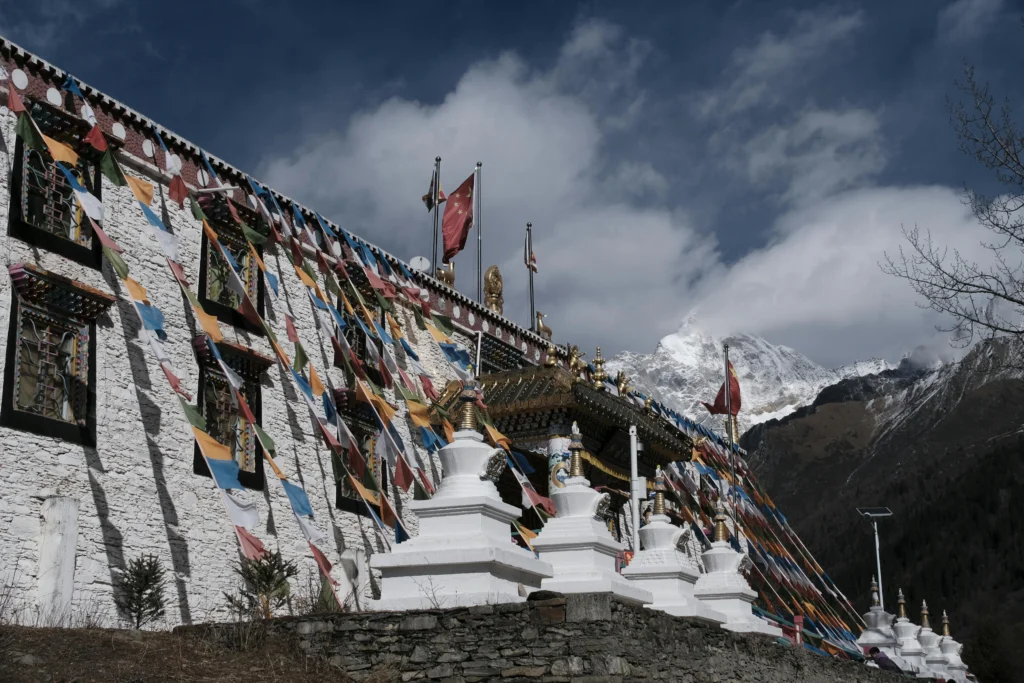
Khumjung is a traditional Sherpa village that offers us a great glimpse into authentic Himalayan life. The village is home to the first school built by Sir Edmund Hillary. This village also offers us a historic monastery that displays an alleged Yeti scalp. The village is set against the sacred Kumbila peak and highlights the authentic village life of the Khumbu region, an alternative to Namche. This is a meaningful highlight of the trek.
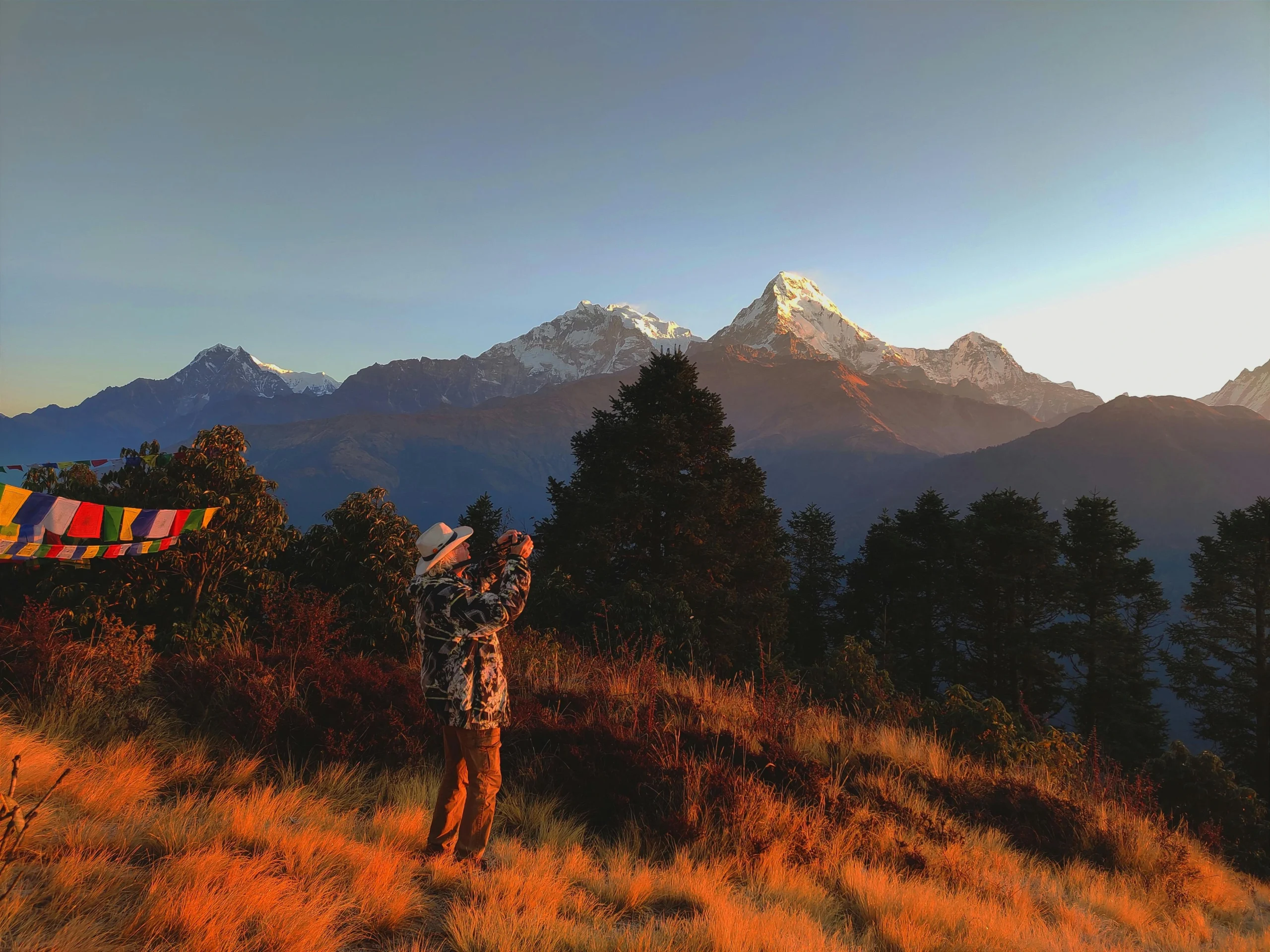
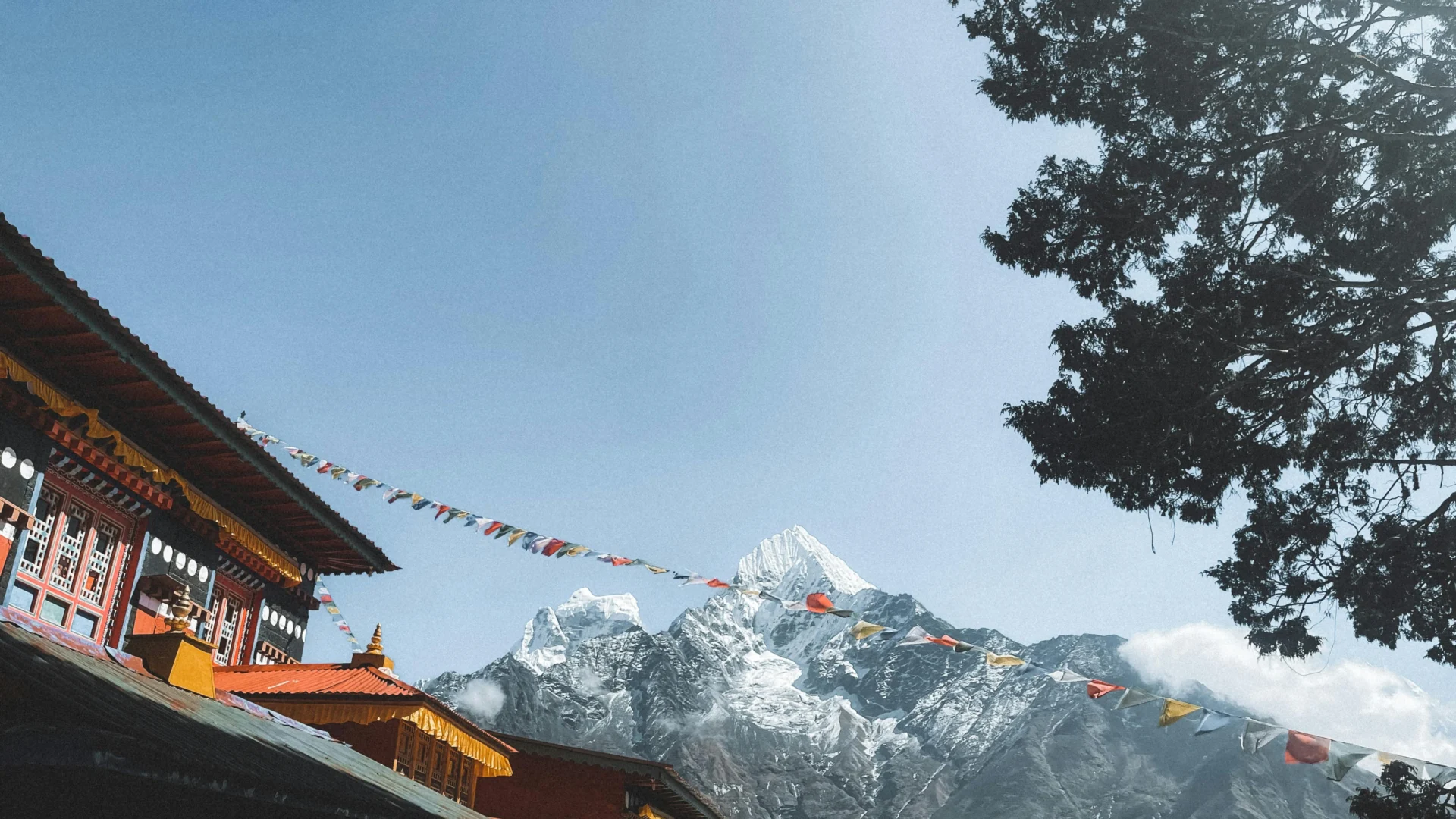
We will immerse ourselves in the vibrant Sherpa culture woven throughout the trek. The warm hospitality and Buddhist traditions with the prayer flags will create a culturally immersive experience with the Himalayan adventure. We can see prayer wheels, mani stones, and vibrant monasteries that highlight the culture of the Sherpa during our trek. The teahouses will be full of authentic Sherpa dishes like the Sherpa Stew and Tibetan bread, making our journey immersive and connecting to the culture.
The Everest View trek features beautiful forests that are filled with rhododendrons, pines, and juniper. In the month of spring, blooming rhododendrons will paint the landscape with vibrant colours. The natural beauty of this forested path, combined with the rare wildlife like red panda, Lophohorus, and mountain goats, will be a refreshing trekking experience. While walking through the serene forests, they contrast wonderfully with the dramatic high peaks.
Day 1 – Arrival in Kathmandu (1400m)
Day 2 – Fly to Lukla (2840m) and Trek to Phakding (2610m), 25-minute flight, 3-4 hour trek
Day 3 – Trek to Namche Bazaar (3440m), 6-7 hour trek
Day 4 – Trek to Khumjung (3780m) via Everest View Hotel, 3-4 hour hike
Day 5 – Trek to Tengboche (3860m), 6-7 hours trek
Day 6 – Tengboche to Monjo (2835m), 5-6 hour trek
Day 7 – Monjo to Lukla (2840m) 6 hours trek
Day 8 – Fly Back to Kathmandu (1400m), 25-minute flight.
Day 9 – Final Departure
| Permit | Price | Key Notes |
| Sagarmatha National Park Entry Permit | NPR 3,000 (~USD 22.50) per person for foreigners (plus 13% VAT); NPR 1,500 for SAARC nationals; free for children under 10 | Required to enter Sagarmatha National Park, a UNESCO World Heritage Site. |
| Khumbu Pasang Lhamu Rural Municipality Permit (Trek Card) | NPR 2,000 (~USD 15) per person for the first 4 weeks; NPR 2,500 thereafter | Mandatory for entering the Khumbu region. Issued as a digital Trek Card since 2022. Obtainable in Lukla or Monjo, or Kathmandu |
Key Notes for Permits:
The season of spring is the most beautiful season for this trek. The temperatures will be friendly and the skies will remain mostly clear. The rhododendron forests will bloom in the stunning shades of red and pink. The views of the Everest will be vivid against the clear skies, especially with the morning light. This season also offers more daylight hours for trekking and photography, which makes the trekking days more pleasing. We will get to see the wildlife, like mountain deer and pheasants, if we are lucky. Spring will bring us a lively atmosphere and natural beauty with welcoming hospitality.
Autumn is widely regarded as the most formidable and friendly season for the trekking environment. There will be clear blue skies, stable weather conditions, and a dry trail. The festivals like Dashain, Tihar, and Mani Rimdu will create a more vibrant environment in the trail. After the end of the monsoon, the trails will be dry and the views will be absolute on top. This season will combine the minimal risk and the addition of cultural charm to our journey. We will have a great composition of cultural and natural immersion for this trek. Autumn will also be one of those seasons of reflection, as we will meet the domestic tourists on our way.
Everest View Trek aka Everest Panorama Trek by Alpine Vista Treks is moderate and is friendly to beginners as well. It does not reach the high altitudes and consists of considerable levels of ascents and altitude gains, so there won’t be many issues with altitude sickness for this trek. If the trekker has a good level of stamina and a basic fitness level, they are good to go and fully enjoy the journey.
Although Everest View Trek stays below 3900 meters, altitude sickness can still affect some trekkers. Symptoms may include headaches, fatigue, and dizziness. Adequate acclimatization, hydration, and a slow walking pace are essential. Listening to your body and staying mindful of any signs of discomfort can prevent complications in higher areas.
Everest View Trek offers a close-up experience of Sherpa culture, which is one of the most renowned mountain cultures in Nepal. We will walk through the villages filled with prayer flags and mani walls. The beautifully carved prayer wheels can also be seen. The warm hospitality of the locals in the teahouses makes this journey more immersive and provides us with an opportunity to immerse ourselves in the serene culture. We will get to dive into deep cultural insights at the monasteries like Tengboche and the Sherpa Museum of Namche Bazaar. Even during the trail, the hospitality of the locals will always give us a deep insight into the Himalayan tradition, lifestyles, and beliefs.
Teahouses across the trail of the Everest View Trek serve reliable and standard menus due to the latest updates of committee guidelines. The menus ensure consistent offerings at the most major stops like Phakding, Namche Bazaar, and Lukla. Daily meals will include freshly prepared and served dal bhat, Sherpa stew, fried noodles, Tibetan breads, etc.
Certain teahouses also offer familiar Western dishes like spaghetti and pancakes. Breakfast and hot drinks are also widely available on demand. The food will be nourishing and energy-packed enough to make us get going on the trek. We recommend that you have snacks and dry food with yourselves to maintain the need for nutrients like carbs and protein. Notifying us about your dietary restrictions in advance will help us manage.
Our Everest View Trek will heavily rely on the teahouses along the route for accommodation. The teahouses lately have seen noticeable upgrades by blending tradition with basic comfort. Many new updates feature better heating systems, insulated electric blankets, and some even provide hot showers at locations like Namche Bazaar. Some of the teahouses have been providing single-seater rooms with an attached bathroom at an elevated price. The route is at mid-level altitude, so we will get comfortable accommodation for our restful night on this trek. Facilities like Wi-Fi are increasingly available for this route.
Travel Insurance is essential and recommended for the Everest View Trek, aka the Everest Panorama Trek. We never know when we are going to have unpredictable weather. Although we will not reach the extreme altitude of 4000m on this trek, we need to be cautious due to the unpredictable conditions. You need to have travel insurance that covers the miserable mishaps for 4000m and the injuries that could happen. Additionally, Alpine Vista Treks strongly advocates the need for Travel Insurance while you are travelling, especially in a foreign land. Travel Insurances that cover trip cancellations, baggage loss, or delays is very helpful to save your hard-earned money. It is a small investment to save your big money.
The Everest View Trek with Alpine Vista Treks is an immersive and reflective journey that blends culture, adventure, and rewards with a great immersion in wildlife and natural beauty. The trek will offer spectacular views, Sherpa culture, moderate difficulty, and relatively lower altitude, just in a space of a week.
Traveling with Alpine Vista Treks ensures a seamless, comfortable, and enriching trekking experience for trekkers and travelers alike. Our expert guides will navigate through the trek with a meticulously planned and crafted itinerary and well-equipped service to have your routine checkups and get updates on your health. We provide you with full logistical support on your demand from your arrival in Nepal till you depart from the country.
Alpine Vista Treks has carefully designed the itinerary and acclimatization days to accommodate the increasing altitude and ensure you have a safe and enjoyable experience in Nepal. We invite everyone who wants to visit the country and explore. You can directly text us on WhatsApp on + 977 9851232342 or email us at [email protected].
1) How difficult is the Everest View Trek?
This trek is amongst the moderate and friendly for beginners. It may get a bit challenging for a section, but overall, the trek is accessible to those with basic fitness and determination.
2) What is the best time to trek?
We need to trek in the seasons of spring and autumn for this trek. The seasons are most formidable for the best weather and views along the trail.
3) Is it safe now after the past earthquakes?
The trail is safe and well-paved for this trek. The steep ascents and descents might disrupt the experience for the beginners, but the trail will be in good condition.
4) Do I need a guide, or can I trek solo?
Yes, you will need a guide for this trek as trekking solo is not allowed without a guide for this trek.
5) How much altitude gain per day to minimize altitude sickness?
This itinerary by Alpine Vista Treks cooperates with ample resting and acclimatization time. We will not gain more than 500 meters per day, so there wouldn't be many challenges.
6) What is the maximum altitude reached?
We will reach the highest altitude at 3880m in Tengboche and 3962 m at the Everest View Hotel. There will not be many challenges on this trek.
7) Is prior trekking experience required?
No, trekkers do not need prior experience for this trek, as we have maintained the itinerary in balance for everyone. This is a moderate trek and is suitable for everyone.
8) What permits are required?
Two permits are mandatory: the Sagarmatha National Park Permit and the TIMS (Trekkers’ Information Management System) card. These will be obtained by Alpine Vista Treks.
9) How do I avoid altitude sickness?
Our route for the Everest View Trek incorporates the proper and planned acclimatization. Staying properly hydrated and allowing our bodies to adjust to the altitude will be our safeguards for the trek.