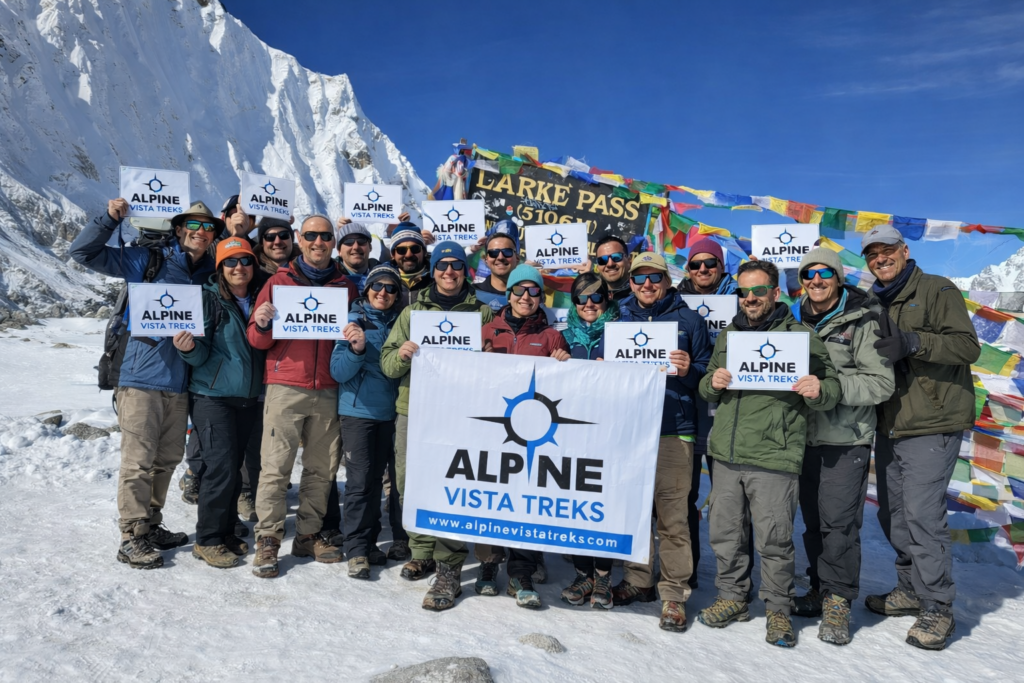
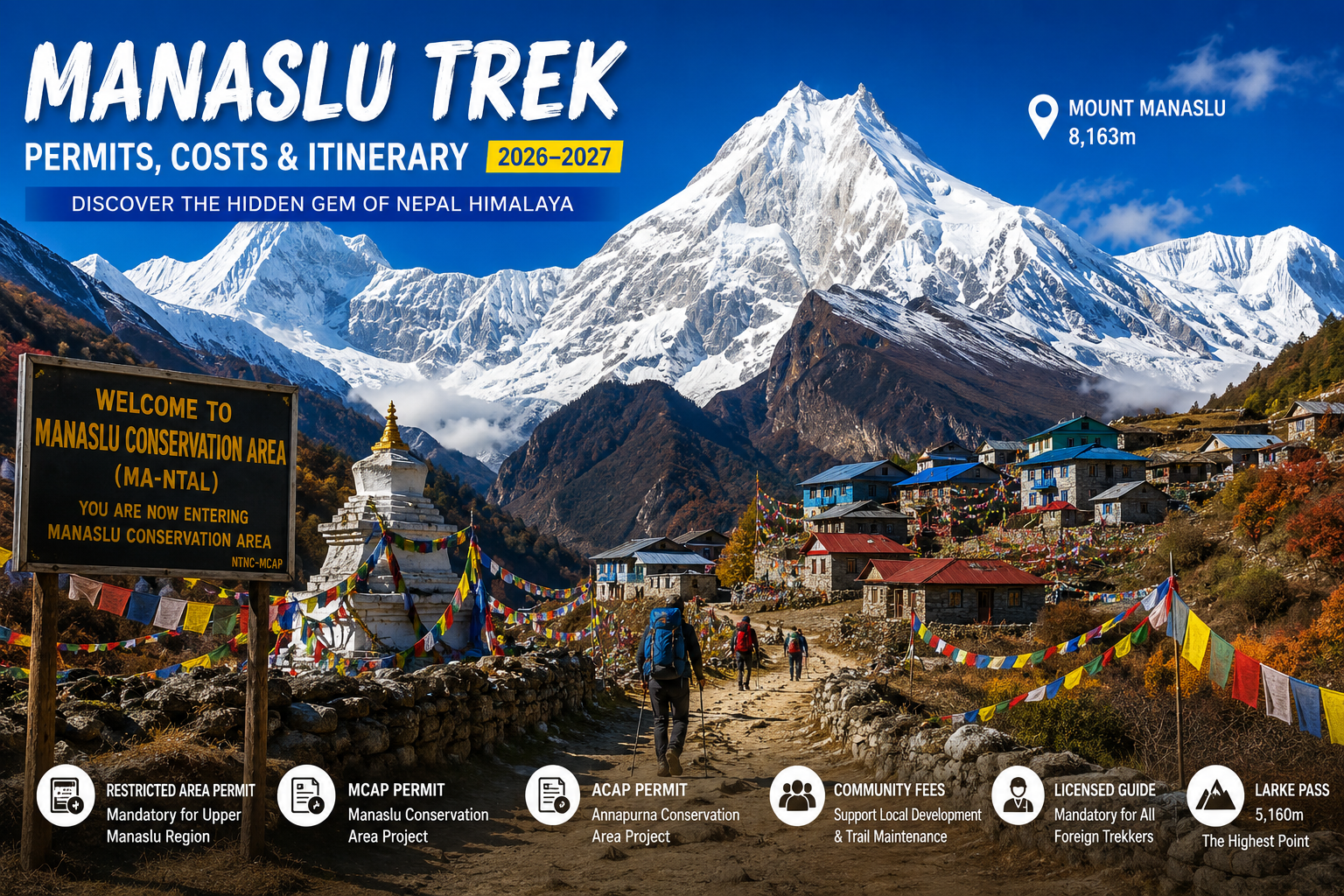
Manaslu Trek Permits, Costs & Itinerary 2026–2027 begin with understanding why the Manaslu Region is considered one of Nepal’s most rewarding and least commercialized trekking corridors. Centered around Mount Manaslu (8,163 m), the route blends dramatic Himalayan scenery, living Tibetan Buddhist culture, and a sense of remoteness that has largely disappeared from more crowded trails. For 2026–2027, interest in this circuit continues to rise—not because it is easy, but because it offers a rare balance of wilderness, authenticity, and well-managed conservation.
Often compared to the Annapurna Circuit of decades past, the Manaslu journey follows the deep gorge of the Budhi Gandaki River from subtropical foothills to high alpine passes, culminating at the legendary Larke Pass (5,106 m). Along the way, trekkers pass through terraced farms, pine and rhododendron forests, narrow canyons with cascading waterfalls, and high valleys dotted with chortens, mani walls, and monasteries.
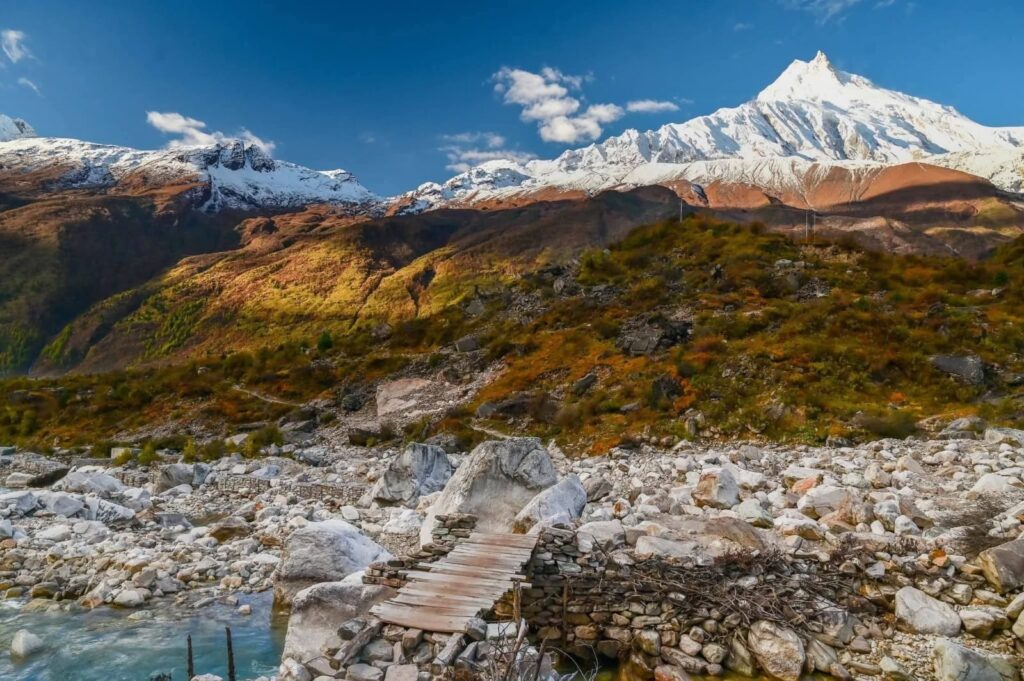
What truly sets this trek apart is its restricted area status and well-managed permit system. Trekkers must obtain special permits and hire a licensed guide, but a minimum group size is no longer required. As per the latest regulations for 2026–2027, solo travelers can legally trek the Manaslu route as long as they are accompanied by a registered guide.
These rules are not obstacles; they are the reason the region remains pristine and culturally protected. Visitor movement is monitored through permits, local communities benefit directly from guide employment, and environmental pressure is carefully controlled. The result is a trekking experience that feels intimate, immersive, and far removed from mass tourism while still being accessible to independent travelers with professional guidance.
Manaslu Trek Permits, Cost & Itinerary 2026–2027 (Latest Rules Updates)
Planning a trek in the Manaslu Region requires understanding its updated permit system, cost structure, and current trekking regulations. Since the region lies in a restricted conservation zone around Mount Manaslu, all trekkers must follow government rules designed to protect both the environment and local culture.
Permits Required (2026–2027)
To trek the Manaslu Circuit, you need the following permits:
- Restricted Area Permit (RAP) – mandatory for the upper Manaslu region (Jagat to Samdo)
- Manaslu Conservation Area Project Permit (MCAP) – for conservation entry
- Annapurna Conservation Area Project Permit (ACAP) – required after crossing Larke Pass into the Annapurna region
- Community Entry & Local Fee (New Update 2026–2027) – some villages along the Manaslu trail now apply small community support fees. These fees directly contribute to local infrastructure, trail maintenance, porter shelters, waste management, and cultural preservation programs managed by local rural municipalities.
Important update: A licensed guide is compulsory, but solo trekking is now allowed with a guide. A minimum group size is no longer strictly enforced, making the route more flexible for individual travelers.

Manaslu Trek Permit and Cost Details (2026–2027)
| Permit Type | Purpose | Cost (Approx.) | Notes |
|---|---|---|---|
| Restricted Area Permit (RAP) | Entry to Manaslu restricted region (Jagat to Samdo) | $75 (Dec–Aug, first 7 days) / $100 (Sep–Nov, first 7 days) + ~$15 per extra day | Mandatory permit for all trekkers in the upper Manaslu region |
| Manaslu Conservation Area Project Permit (MCAP) | Conservation area entry fee | NPR 3,000 per person | Covers environmental conservation and trail management |
| Annapurna Conservation Area Project Permit (ACAP) | Entry after crossing Larke Pass | NPR 3,000 per person | Required when exiting Manaslu region into Annapurna area |
| Community Entry / Local Fees (2026–2027 update) | Village development & trail maintenance | NPR 1,000 per person | Collected at selected checkpoints or included in package |
Latest Rules & Trekking Updates (2026–2027)
The Manaslu region continues to follow strict conservation and safety policies, with a few important updates:
- ✔ Solo trekking allowed with licensed guide (no minimum group rule)
- ✔ Mandatory guide for all foreign trekkers
- ✔ Permits must be issued through a registered trekking agency only, Like: Alpine Vista Treks
- ✔ Fixed entry checkpoints for permit verification along the route
- ✔ Stronger focus on sustainable tourism and waste control
- ✔ No independent trekking without official documentation
These regulations ensure that trekking in Manaslu remains safe, environmentally responsible, and culturally respectful while still allowing more flexibility for independent travelers.
Manaslu Circuit Trek Itinerary (Updated 2026–2027 | 11 Days)
| Day | Route | Overnight | Highlights |
|---|---|---|---|
| Day 01 | Kathmandu → Jagat (drive) | Jagat | Scenic drive, river valleys, road to Manaslu region |
| Day 02 | Jagat → Deng | Deng | Waterfalls, suspension bridges, forest trails |
| Day 03 | Deng → Namrung | Namrung | Tibetan culture begins, mountain views |
| Day 04 | Namrung → Lho | Lho & Shyla | First clear view of Mount Manaslu |
| Day 05 | Lho → Sama Gaun | Sama Gaun | Monasteries, scenic valley, acclimatization hub |
| Day 06 | Acclimatization Day (Sama Gaun) | Sama Gaun | Hike to Manaslu Base Camp / Pungyen Gompa |
| Day 07 | Sama Gaun → Samdo | Samdo | High-altitude Tibetan village |
| Day 08 | Samdo → Dharmasala (Larke Phedi) | Dharmasala | Final stop before pass, preparation for crossing |
| Day 09 | Cross Larke Pass → Bimthang | Bimthang | Long and challenging pass day, dramatic views |
| Day 10 | Bimthang → Tilje | Tilje | Descending valley, greener landscapes |
| Day 11 | Tilje → Kathmandu / Pokhara (drive) | — | Trek completion, return journey |
Manaslu Trek Trip Cost (2026–2027)
| Package Type | Route | Duration | Price (Per Person) | Includes |
|---|---|---|---|---|
| Short Manaslu Trek Package | Kathmandu → Manaslu Circuit (short version) → Kathmandu | 11–12 Days | USD 750 | Licensed Guide, permits support, Tea House, Local transport (group basis) |
| Full Manaslu Circuit Package | Kathmandu → Manaslu Circuit (complete route via Larke Pass) → Kathmandu/Pokhara | 14–15 Days | USD 1,250 | Licensed guide, permits, porter, all meals, tea house accommodation, city accommodation, transport (full logistics support) |
Package Notes (2026–2027)
- All treks require restricted area permits and licensed guide
- Short package is suitable for budget and fast-paced trekkers
- Full package is recommended for safe acclimatization and complete experience
- Prices are based on per person sharing basis
- Organized trips by companies like Alpine Vista Treks ensure smooth permit handling, safety, and route management
Key Notes (2026–2027 Update)
- Total duration: 11 trekking days
- Built-in acclimatization at Sama Gaun for safety
- Best balance of speed and safety for Manaslu Circuit
- Requires licensed guide and restricted area permits
- Can be operated smoothly by agencies like Alpine Vista Treks with full logistics support
Why These Rules Matter:
The permit system is not just administrative—it plays a vital role in preserving the natural and cultural integrity of the region. Controlled access helps protect fragile Himalayan ecosystems, supports local livelihoods, and maintains the peaceful character of villages along the trail.
With proper planning and a trusted operator such as Alpine Vista Treks, trekkers can easily manage permits, guides, logistics, and itineraries, ensuring a smooth and well-organized journey into one of Nepal’s most extraordinary trekking regions.
A Landscape That Changes Every Day
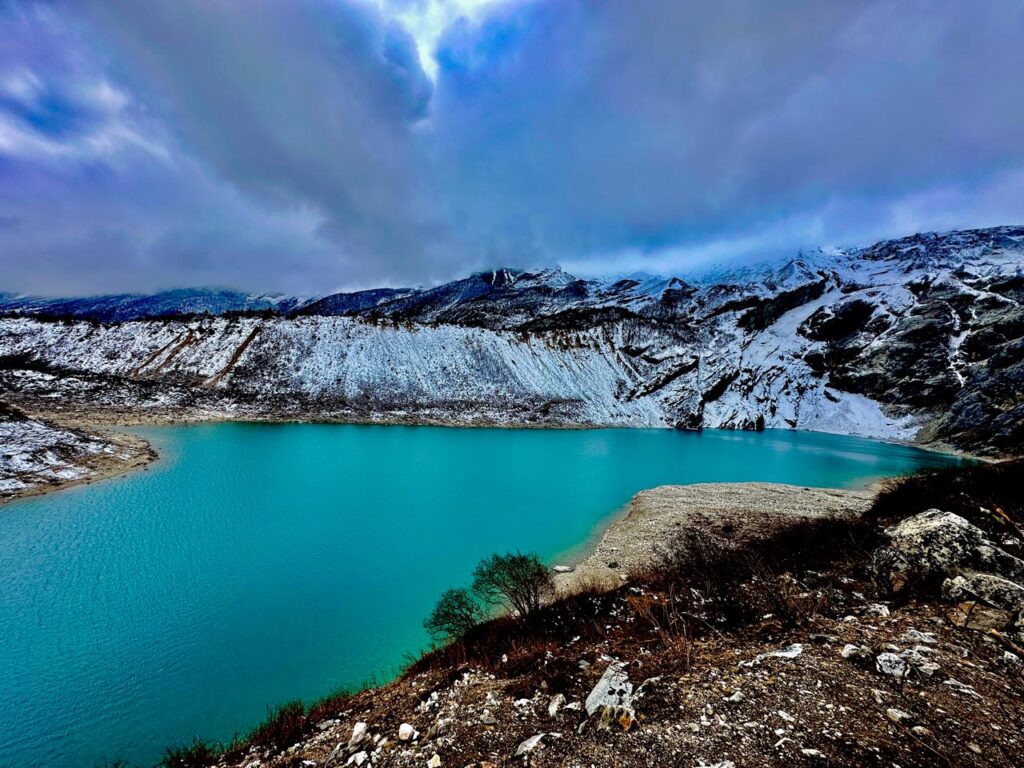
The Manaslu itinerary is a study in ecological transition. The early days begin around 700–900 meters in warm river valleys where banana trees, rice paddies, and suspension bridges define the scenery. As the trail climbs, the climate cools and forests thicken. Higher still, the terrain opens into alpine meadows and glacial valleys where the skyline is dominated by snow peaks.
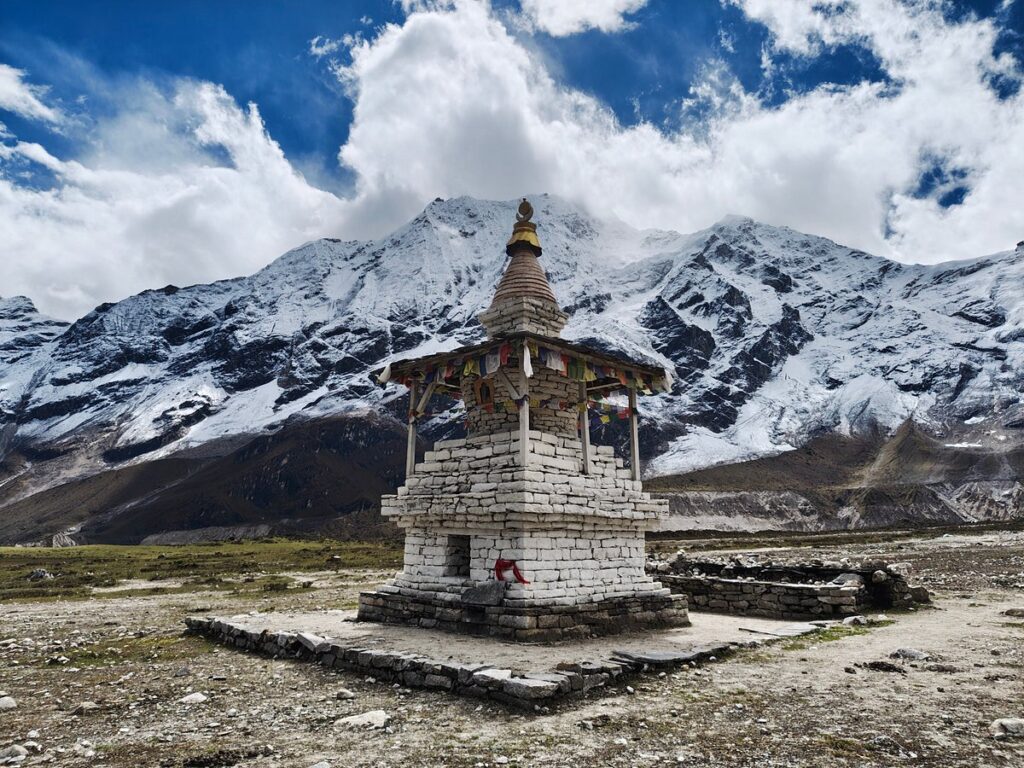
Villages evolve with altitude. Lower settlements reflect mixed Hindu and Buddhist communities. Beyond Namrung, the architecture, language, and dress shift toward Tibetan influence. By the time you reach the Nubri Valley near Sama Gaun, prayer flags flutter from rooftops and centuries-old monasteries overlook yak pastures beneath Manaslu’s north face.
This daily transformation is one of the trek’s greatest pleasures. You don’t just gain elevation—you pass through distinct cultural and ecological worlds.
Cultural Depth of the Nubri Valley
Upper Manaslu is culturally tied to Tibet. Stone houses, carved wooden windows, and long mani walls inscribed with prayers line the path. Monasteries serve as both spiritual and social centers. Morning chants echo across the valley while locals spin prayer wheels and tend to livestock.
A highlight acclimatization day is spent around Sama Gaun, where side hikes lead to glacial viewpoints and sacred sites. Many trekkers visit Pungyen Gompa, perched on a ridge with sweeping views of Manaslu’s glaciers. These moments add a contemplative dimension to the journey, balancing the physical challenge with cultural connection.
The 360-Degree Panorama at Shyala Village
Shyala (3,400m) is universally framed by guides as the ultimate panoramic location on the circuit. The narrative should describe how the village sits exposed in a geographical basin entirely surrounded by towering “white giants,” offering an uninterrupted, awe-inspiring 360-degree view of Himalchuli, Samdo Peak, and Manaslu. Photographic advice should focus on shooting exclusively during the golden hours (early morning and late evening) to capture the dimensional textures, deep crevasses, and shadows of the encircling peaks
Why Permits and Rules Matter Here
Manaslu is designated as a restricted trekking region to protect both environment and heritage. Trekkers must obtain:
- A Restricted Area Permit (RAP)
- A conservation permit for the Manaslu Conservation Area Project
- An Annapurna conservation permit after crossing Larke Pass
A licensed guide is mandatory, and independent trekking is not allowed. These measures ensure safety, support local employment, and preserve the trail’s integrity for future generations.
Experienced local operators such as Alpine Vista Treks help travelers navigate these permit requirements smoothly, arrange licensed guides, and design acclimatization-friendly itineraries that respect both regulations and trekkers’ comfort.
The Build-Up to Larke Pass
The psychological and physical climax of the trek is the crossing of Larke Pass. The approach from Dharmasala is gradual but demanding. Trekkers start before dawn, navigating glacial moraine and wind-swept slopes as first light hits the surrounding peaks.
From the top, panoramic views stretch across Himlung, Cheo Himal, Kang Guru, and the Annapurna range. The sense of achievement is immense—not only because of the altitude, but because of the journey it took to get there.
The descent into the Annapurna side feels like entering a new landscape again, with greener valleys and different settlements marking the final days.
This pacing allows proper acclimatization and meaningful time in culturally rich villages rather than rushing toward the pass.
Cost Expectations for 2026–2027
Manaslu is moderately priced compared to Everest but slightly higher than Annapurna due to permit structure and mandatory guide services. Main cost components include:
- Restricted area permit fees (seasonal)
- Conservation permits
- Guide and porter wages
- Teahouse accommodation and meals
- Transportation to and from the trailhead
Despite these requirements, the value is exceptional because the region remains protected, uncrowded, and culturally authentic.
Best Seasons and Weather Windows
The ideal trekking seasons remain:
- Spring (March–May)
- Autumn (September–November)
These months offer stable weather, clear mountain views, and safe pass-crossing conditions.
Who This Trek Is Perfect For
Manaslu suits trekkers who want wilderness, culture, and fewer crowds while still enjoying a structured teahouse trek. It rewards those who value authenticity over luxury and experience over speed.
A Trek That Feels Like Old Nepal
Many seasoned trekkers describe Manaslu as what classic Himalayan routes felt like decades ago. Quiet trails, genuine village hospitality, and uninterrupted mountain scenery define the journey.
The Reality of Himalayan Toilet Facilities
Addressing a universally uncomfortable but entirely necessary logistical topic, this post must clearly explain the sanitation infrastructure of the region. It should set firm expectations that the majority of teahouses utilize shared, outdoor squat toilets, which frequently freeze over during the night at high altitudes, presenting a slip hazard. Trekkers must be explicitly advised to carry their own heavy supply of toilet paper and alcohol-based hand sanitizer, as these basic sanitary items are rarely, if ever, provided in the communal facilities
Wi-Fi and Digital Payments on the Manaslu Circuit Trek may sound unlikely for a remote Himalayan journey, but this is exactly what makes the Manaslu Circuit Trek in Nepal so fascinating in 2026.
There was a time when trekking in the Himalayas meant complete disconnection from the modern world. No signal. No internet. Cash only. Total isolation.
Today, while Manaslu remains one of Nepal’s most restricted, culturally preserved, and least commercial trekking regions, it is quietly adapting to the needs of modern travelers — especially digital nomads, remote workers, travel bloggers, and online entrepreneurs who want to combine high-altitude adventure with basic online productivity.
You will not find fiber internet, coffee shops, or coworking spaces here. Instead, you will find something far more remarkable: just enough Wi-Fi, just enough telephone network, and just enough digital payment access to stay connected when necessary — without losing the raw wilderness experience.
This rare balance is why Wi-Fi and Digital Payments on the Manaslu Circuit Trek has become a trending topic among modern trekkers.
Final Perspective
For 2026–2027, the Manaslu Circuit stands out as Nepal’s premier trek for travelers seeking depth, culture, and protected natural beauty. The permits and rules help preserve what makes this region extraordinary, while the itinerary delivers constant scenic and cultural rewards from start to finish.