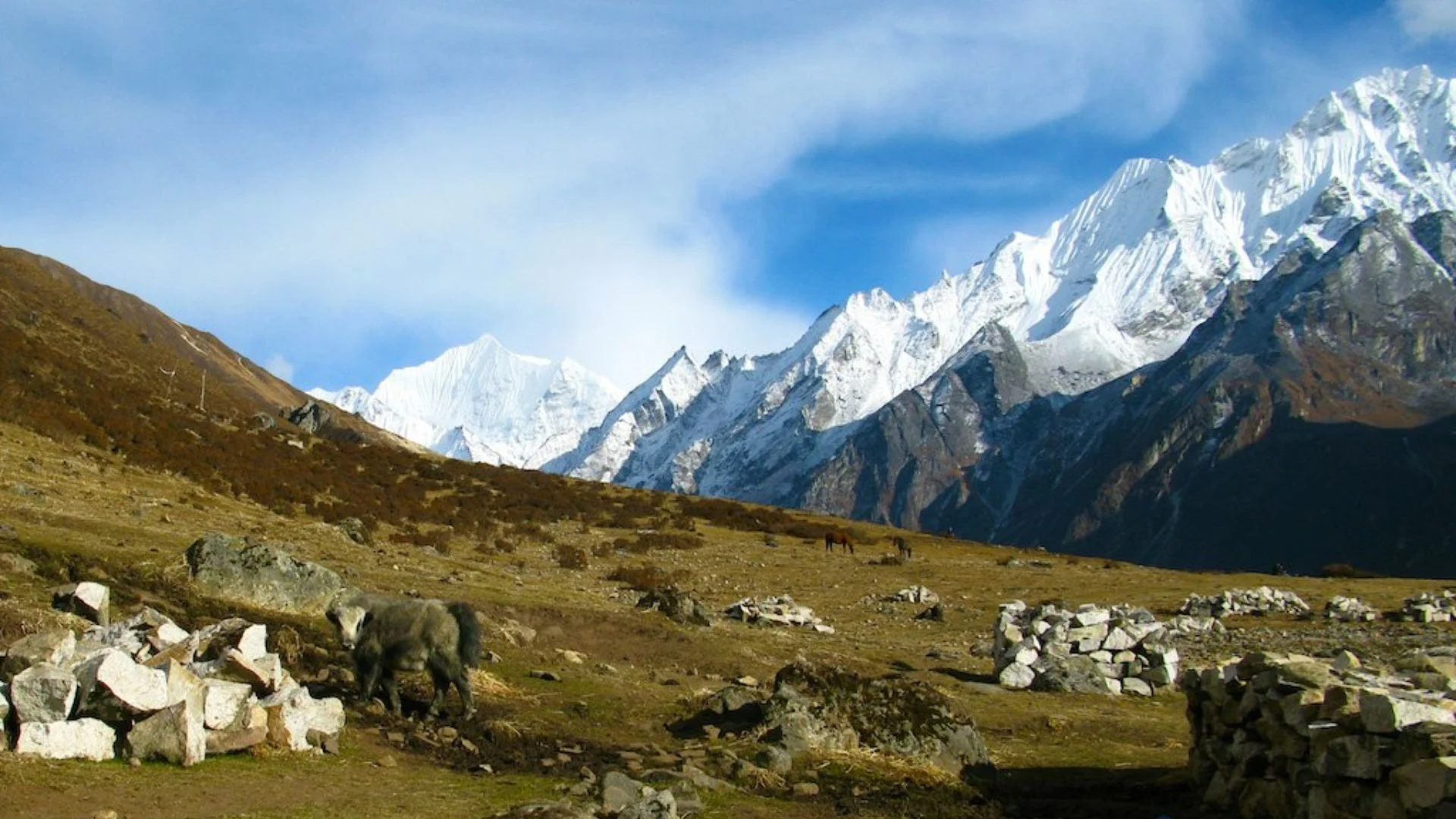
Preparing for the Langtang Valley Trek requires a combination of physical training, proper gear planning, and an understanding of altitude conditions. The trek typically reaches around 3,870 meters at Kyanjin Gompa, with daily walking hours of 5 to 7 hours over 7 to 10 days.
While it is considered a moderate trek, proper preparation is essential to handle changing weather, uphill trails, and increasing altitude. Trekkers should focus on building stamina through cardio exercises, packing appropriate clothing for varying temperatures, and allowing time for gradual acclimatization to reduce the risk of altitude sickness.
Many trekkers choose to prepare with the support of an experienced trekking company in Nepal like Alpine Vista Trek, where proper guidance on training, packing, and itinerary planning helps make the journey safer and more enjoyable.
Understanding the Langtang Valley Trek Before You Prepare
Video Source: (https://www.youtube.com/@IngsoTraveller)
Before starting your preparation, it’s important to understand what the Langtang Valley Trek actually involves. This trek takes place inside Langtang National Park and typically reaches an altitude of around 3,870 meters at Kyanjin Gompa. Most itineraries range from 7 to 10 days, with daily walking hours of about 5 to 7 hours.
Although it is considered a moderate trek, the combination of uphill trails, changing weather, and increasing altitude makes preparation essential for a comfortable and safe experience.
Physical Preparation for Langtang Valley Trek
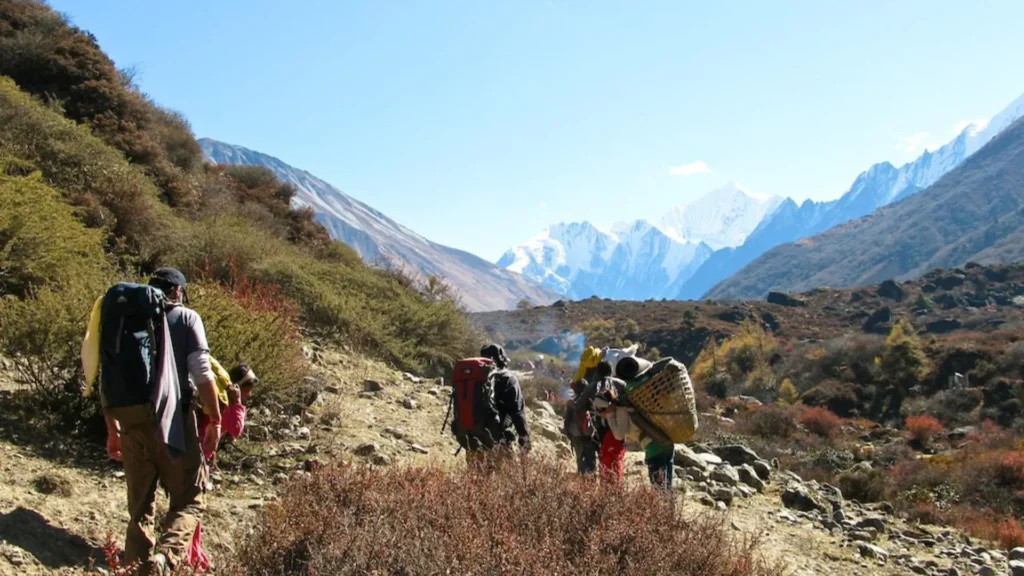
The Langtang Valley Trek does not require technical climbing, but it involves 5–7 hours of daily trekking over 7–10 days, demanding good physical fitness. Trekkers should be comfortable walking 5 to 7 hours per day on uneven terrain, often with gradual ascents.
From practical trekking experience in the Langtang region, those with basic stamina and endurance tend to enjoy the trek more and face fewer challenges. Focus on improving your cardiovascular fitness and leg strength before starting the journey.
Training Plan Before the Trek (4–8 Weeks)
A simple training plan followed consistently for 4 to 8 weeks can make a noticeable difference.
- Cardio exercises like running, cycling, or brisk walking (3–4 times per week)
- Hiking practice on inclines or stairs
- Strength training focused on legs and core
- Gradual increase in duration and intensity
Even short hikes with a backpack can help your body adjust to trekking conditions.
Altitude Preparation and Acclimatization Tips
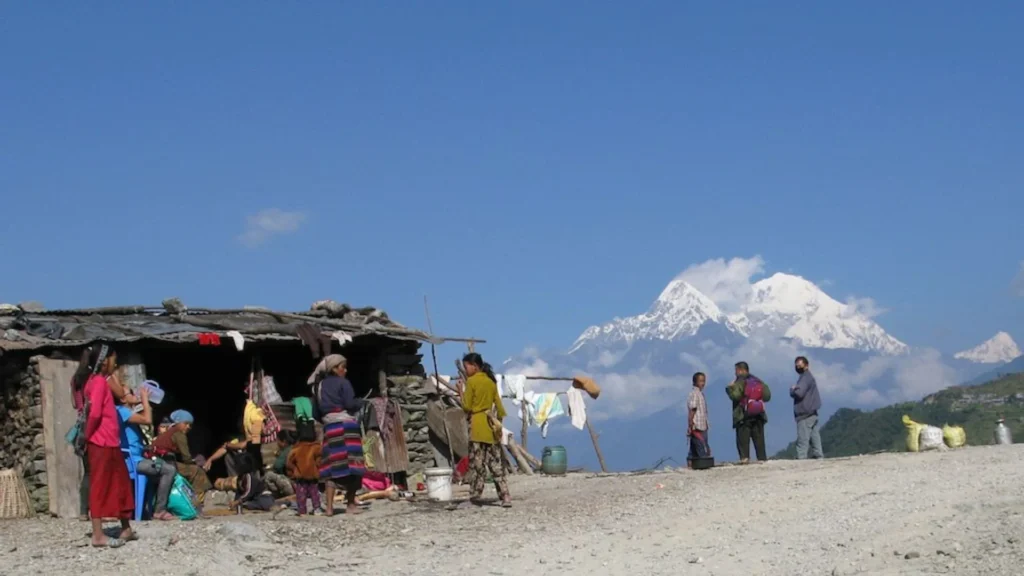
Altitude is one of the key factors to consider. While Langtang is not as high as Everest or Manaslu, altitude effects can still begin above 2,500 meters.
At Kyanjin Gompa (3,870 m), oxygen levels are lower, and some trekkers may experience mild symptoms like headache or fatigue. Proper acclimatization, staying hydrated, and maintaining a steady pace are essential.
Trekkers who follow a gradual ascent and avoid rushing tend to complete the trek more comfortably.
Packing List for Langtang Valley Trek
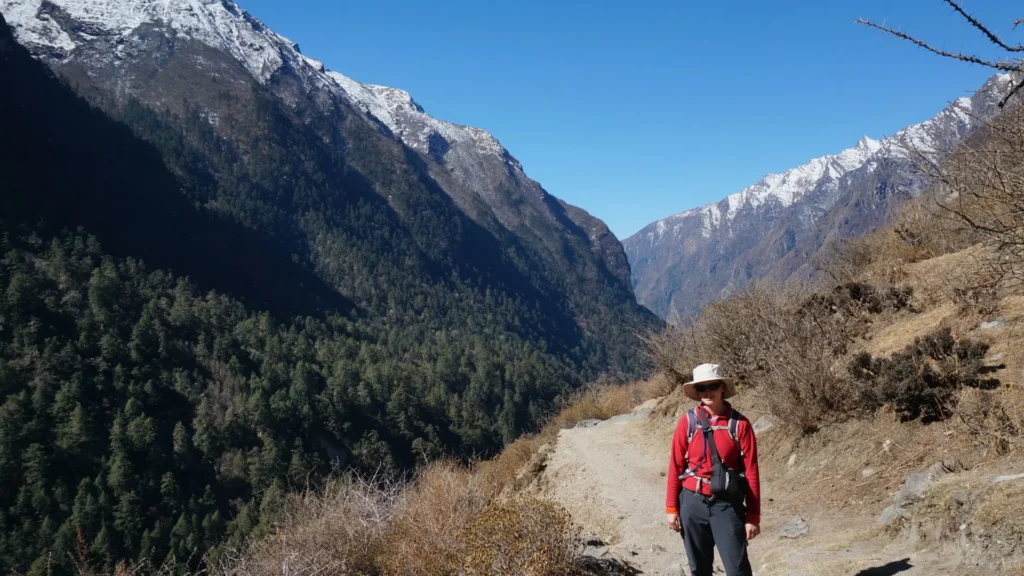
Packing smart can significantly impact your trekking experience. Weather conditions can vary, so layering is important.
Clothing:
- Base layers and warm jackets
- Waterproof outer layer
- Trekking pants and thermal wear
Gear:
- Comfortable trekking boots
- Trekking poles
- Backpack (30–40L)
Essentials:
- First aid kit
- Reusable water bottle
- Sunscreen and sunglasses
Packing only what is necessary helps reduce fatigue during long walking days.
Permits Required for Langtang Valley Trek
To trek in the Langtang region, you need:
- Langtang National Park Entry Permit
- TIMS (Trekkers’ Information Management System) Card
These permits are mandatory and can be arranged before starting the trek. Keeping copies of documents and permits is always recommended.
Food, Accommodation, and What to Expect
The Langtang Valley Trek offers basic tea house accommodation along the route. Rooms are simple, and facilities become more limited as you go higher.
Meals typically include dal bhat, noodles, soups, and tea. While food is available throughout the trek, it’s important to be prepared for simple menus and limited variety.
Common Mistakes to Avoid While Preparing
Many trekkers underestimate preparation. Some common mistakes include:
- Starting without proper physical training
- Overpacking unnecessary items
- Ignoring altitude acclimatization
- Choosing unrealistic itineraries
Avoiding these mistakes can make your trek smoother and more enjoyable.
Tips for First-Time Langtang Trekkers
If this is your first trek in Nepal, keep things simple:
- Walk at your own pace
- Stay hydrated throughout the day
- Take proper rest during acclimatization stops
- Focus on consistency rather than speed
Many first-time trekkers complete Langtang successfully with the right mindset and preparation.
Final Preparation Checklist Before the Trek
Before starting your trek, make sure:
- Your fitness level is ready
- All permits are arranged
- Packing is complete
- The itinerary is planned properly
Many trekkers prefer to prepare with the support of an experienced trekking company in Nepal like Alpine Vista Trek, where guidance on planning, packing, and acclimatization helps ensure a safer and more organized journey.
FAQs
What level of fitness do I need for the Langtang Valley Trek?
A moderate level of fitness is recommended. Trekkers should be comfortable with walking 5–7 hours per day on uneven trails and carrying a light backpack. Preparing with cardio, strength, and hiking simulation will make the trek much more enjoyable.
What gear and clothing are essential for the trek?
Essential items include sturdy hiking boots, layered clothing, trekking poles, and a sleeping bag. Be sure to pack essentials like sunscreen, protective sunglasses, and a basic first aid kit. Packing smart ensures comfort during variable mountain weather.
How do I prevent altitude sickness on this trek?
Gradual acclimatization, staying hydrated, avoiding overexertion, and monitoring your body’s response to altitude are crucial. Optional side hikes should only be attempted if you feel well-acclimatized. Guided treks often provide expert advice to minimize risks.
Can I trek Langtang Valley year-round?
Yes, but conditions vary. The best weather conditions are usually found during the spring and autumn months. Winter is colder with potential snow, and the monsoon season brings rain and slippery trails, so planning is essential.
Are meals and accommodation included on guided treks?
Most guided packages include teahouse accommodations and meals, making logistics simpler and reducing stress. Independent trekkers need to arrange teahouses and carry sufficient cash along the trail.
Are there optional side hikes worth doing in Langtang?
Yes! Trekkers often choose the Tserko Ri summit or Langtang Glacier hikes for panoramic views. These require extra effort but reward you with some of the most stunning vistas in the region.