

The Manaslu Circuit Trek 2026 is emerging as one of Nepal’s most respected and meaningful trekking experiences, offering a rare combination of untouched Himalayan landscapes, cultural authenticity, and environmentally responsible tourism. While popular routes like Everest Base Camp and the Annapurna Circuit continue to attract large numbers of trekkers, Manaslu stands apart for its quieter trails, controlled access, and strong focus on sustainability.
This classic Himalayan circuit circles Mount Manaslu (8,163m), the eighth-highest peak in the world, taking trekkers through a dramatic range of landscapes—from subtropical river valleys and terraced farmlands to deep gorges, alpine forests, and high-altitude glacial terrain. Each section of the journey reveals a new layer of Nepal’s natural beauty, making the trek feel like a continuous transition through different ecological and cultural zones.
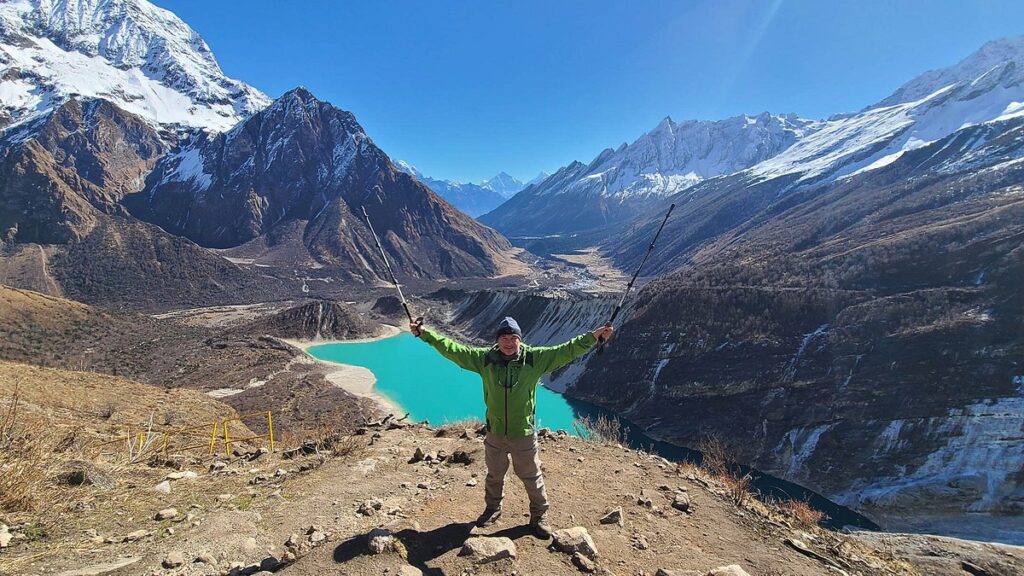
What truly defines the Manaslu Circuit in 2026 is its carefully managed trekking system. As a restricted region, the area requires special permits and a licensed guide, ensuring that tourism remains controlled and sustainable. This system helps preserve fragile mountain ecosystems, protects traditional Himalayan communities, and limits overcrowding on the trails.
The region is also deeply rich in culture, with strong Tibetan Buddhist influences in the upper valleys and traditional Hindu communities in the lower regions. Along the route, trekkers encounter ancient monasteries, prayer flags, stone mani walls, and remote villages where centuries-old traditions are still an active part of daily life.
In 2026, the Manaslu Circuit Trek represents more than just a challenging Himalayan adventure—it reflects a growing shift toward responsible and sustainable trekking in Nepal. With its balance of natural beauty, cultural depth, and environmental protection, it offers a raw and authentic experience that feels increasingly rare in today’s modern trekking world.
A Trek Designed for Conservation, Not Mass Tourism
Unlike heavily trafficked trekking regions, the Manaslu region remains a restricted area, meaning trekkers must obtain special permits and travel with a licensed guide. This system naturally limits crowd size and helps protect fragile ecosystems.
In 2026, this controlled approach is one of the biggest reasons the region is being recognized as Nepal’s leading sustainable trekking destination.
Key sustainability factors include:
- Limited trekking permits issued each season
- Mandatory local guide requirement
- Restricted camping and regulated teahouse system
- Controlled waste management practices in villages
- Strong community-based tourism model
This structure ensures tourism benefits local people directly while reducing environmental pressure.
Less Crowds, More Authentic Himalayan Experience
One of the biggest environmental challenges in popular trekking regions is overcrowding. The Manaslu Circuit avoids this completely.
Even in peak seasons (March–May and September–November), trekkers experience:
- Quiet mountain trails
- Authentic village life
- Undisturbed landscapes
- Peaceful monasteries and cultural sites
This low-density tourism helps preserve both the natural environment and cultural identity of the region.
Unlike commercial trekking zones, you are not walking in a “tourist corridor”—you are traveling through living Himalayan communities.
Strong Local Community Involvement
Sustainability in Manaslu is not just environmental—it is deeply social.
Most teahouses, lodges, and trekking services are run by local families from Nubri and Tsum Valley regions. This ensures tourism revenue stays within the community.
Benefits include:
- Direct income for remote Himalayan households
- Employment for local guides and porters
- Preservation of traditional farming and lifestyles
- Support for education and healthcare in mountain villages
In 2026, more villages along the route are improving their infrastructure while still maintaining traditional architecture and culture.
Eco-Friendly Trekking Practices on the Rise
The Manaslu region is increasingly promoting eco-conscious trekking behavior. Many trekking agencies now encourage or enforce:
- Carry-in, carry-out waste policy
- Reduced plastic packaging usage
- Refillable water systems instead of bottled water
- Solar-powered energy in teahouses
- Environment-friendly trekking gear recommendations
Trekkers are also encouraged to respect Buddhist monasteries, avoid disturbing wildlife, and stay on designated trails.
This collective effort has significantly reduced environmental damage compared to more commercial trekking routes.
A Perfect Balance of Nature and Culture
The Manaslu Circuit is not just a nature trek—it is also a cultural journey through Tibetan-influenced Himalayan society.
Along the route, trekkers pass through:
- Traditional Nubri villages
- Ancient Buddhist monasteries
- Prayer walls, chortens, and mani stones
- High-altitude yak pastures
- Remote Tsum Valley cultural zones
This blend of nature and culture makes the trek deeply meaningful, especially for travelers looking for more than just mountain views.
Sustainable Infrastructure Development (2026 Update)
In 2026, the Manaslu region is seeing gradual but careful infrastructure development. Unlike over-developed trekking routes, changes here are designed to support sustainability, not mass tourism.
Improvements include:
- Better-managed teahouse accommodations
- Improved trekking trail signage in key sections
- Safer suspension bridges and trail maintenance
- Limited road expansion in lower regions (carefully controlled)
Importantly, higher altitude sections remain untouched to preserve the trekking experience.
Why Manaslu is Becoming the Future of Responsible Trekking
Global travel trends are shifting toward sustainability, and Manaslu fits perfectly into this movement. Modern trekkers now prioritize:
- Fewer crowds
- Authentic experiences
- Eco-friendly travel
- Cultural respect
- Responsible tourism spending
The Manaslu Circuit delivers all of these in a single journey.It represents a new model of Himalayan trekking—one that balances adventure with conservation.
Difficulty Level and Who Should Trek Manaslu
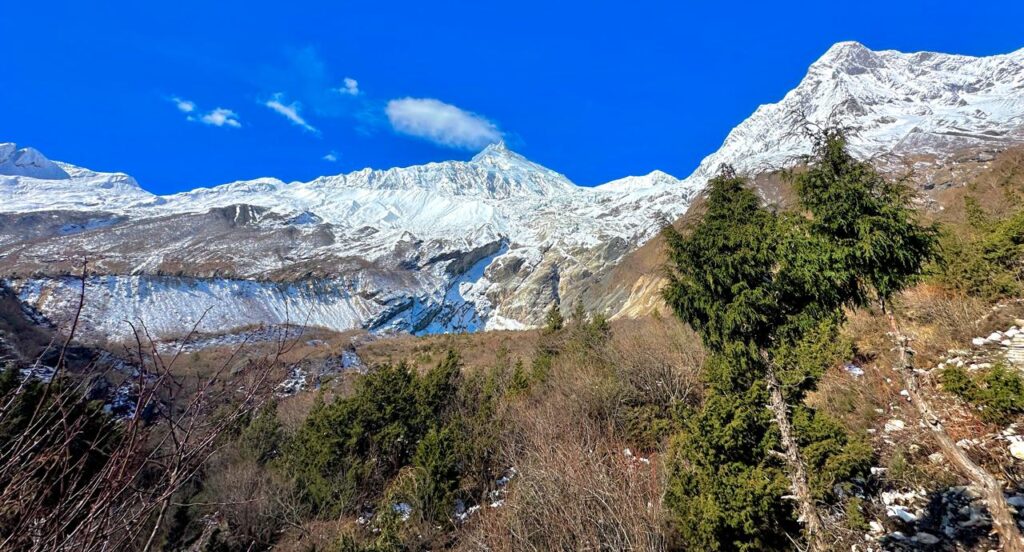
The trek is considered moderate to challenging, mainly due to altitude and long walking days. The highest point is Larkya La Pass (5,160m), which requires proper acclimatization.
It is ideal for:
- Experienced trekkers looking for a quieter alternative to Everest/Annapurna
- Fit beginners with preparation and a guide
- Travelers interested in culture and sustainability
- Adventure seekers avoiding crowded trails
Best Time for Manaslu Circuit Trek 2026-2027
The best seasons remain:
- Spring (March–May): Clear skies, rhododendron forests
- Autumn (September–November): Best visibility and stable weather
Winter trekking is possible but challenging due to snow at higher elevations.
Final Thoughts
The Manaslu Circuit Trek 2026 is more than just a trekking route—it is a model for how Himalayan tourism can evolve responsibly. With strict conservation rules, strong local involvement, and limited commercialization, it stands out as Nepal’s top sustainable adventure.
For travelers seeking untouched landscapes, meaningful cultural encounters, and a lower-impact journey, Manaslu is no longer just an alternative—it is becoming the preferred choice for responsible trekking in Nepal.
At Alpine Vista Treks, we are committed to promoting sustainable Himalayan travel experiences that respect nature, support local communities, and deliver safe and authentic trekking journeys. The Manaslu Circuit Trek perfectly reflects this vision, offering an adventure that is not only memorable but also meaningful and responsible.