The Everest Three High Passes Trek by Alpine Vista Treks is an ultimate Himalayan adventure. The trail combines three high mountain passes into one exhilarating and most adventurous circuit. This […]
The Everest Three High Passes Trek by Alpine Vista Treks is an ultimate Himalayan adventure. The trail combines three high mountain passes into one exhilarating and most adventurous circuit. This trek is a peak combination of challenges and rewards. We have ample opportunities to immerse ourselves in the diverse landscapes and vibrant cultures of the Khumbu region during this 20 day odyssey.
The journey will begin with the scenic flight to Lukla, which leads us through the iconic Sherpa settlements like Tengboche, Dingboche, Namche, Khumjung, etc. The major highlights of this trek include the Everest Base Camp, Kala Patthar, Three High Passes, Gokyo Lakes, and Gokyo Ri. We will have an immense cultural immersion and Himalayan adventure in this trek to soak in a unique experience in the secluded region of the Khumbu. The trek also offers deep cultural significance and immersion. We will have cultural encounters at ancient monasteries like Tengboche and Thame, where we will get the key insights about Tibetan-Buddhist culture and tradition up close.
The trek will span 20 days, traversing the high hills, remote valleys, glacier moraines, and rugged terrain. Alpine Vista Treks ensures proper care and acclimatization to the trekkers with rest days included at different altitudes to adjust to the lower oxygen levels. Accommodation will be in traditional tea houses that offer warmth and authentic Sherpa hospitality. The meals will feature a mix of Nepali and international cuisines at a few places. This trek is amongst the difficult ones in Nepal, so trekkers need to have fairly good fitness levels to complete the trek without any risks or health issues. Alpine Vista Treks will assist you in proper planning and help if you need it.
The trek led by Alpine Vista Treks will provide you with a unique blend of cultural and adventure experience with the most experienced and well-trained licensed guides to make you ensure about safety and an enhanced experience throughout the trek. This trek promises a lifetime experience for any trekker who is into adventure. Alpine Vista Treks invites everyone to join this incredible odyssey with us.
1. Kongma La Pass (5535 m)
Kongma La Pass is celebrated as a true gem of adventure. The pass offers raw and untouched Himalayan beauty, which hasn’t been explored much so far. Its rugged terrain and isolated path offer trekkers a profound sense of wilderness and solitude. The steep, demanding ascent of Kongma La rewards trekkers with stunning views of Makalu, Lhotse, Ama Dablam, and the Khumbu Glacier below.
2. Everest Base Camp (5364 m)
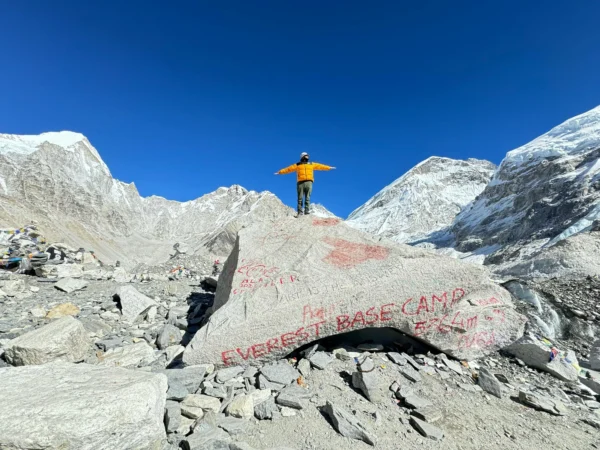
Reaching Everest Base Camp is a cherished dream and a transformative milestone. Perched at a towering 5,364m, this vast amphitheater is a dream for thrill-seekers and adventure enthusiasts. At Base Camp, we stand where bold adventurers gaze in awe at the majestic Khumbu Icefall, enveloped in serene tranquility. Where the prayer flags flutter in the glacial wind, and jagged ice ridges will frame our arrival. These sacred destination serves as the foot of Mount Everest.
3. Kalapathar (5545 m)
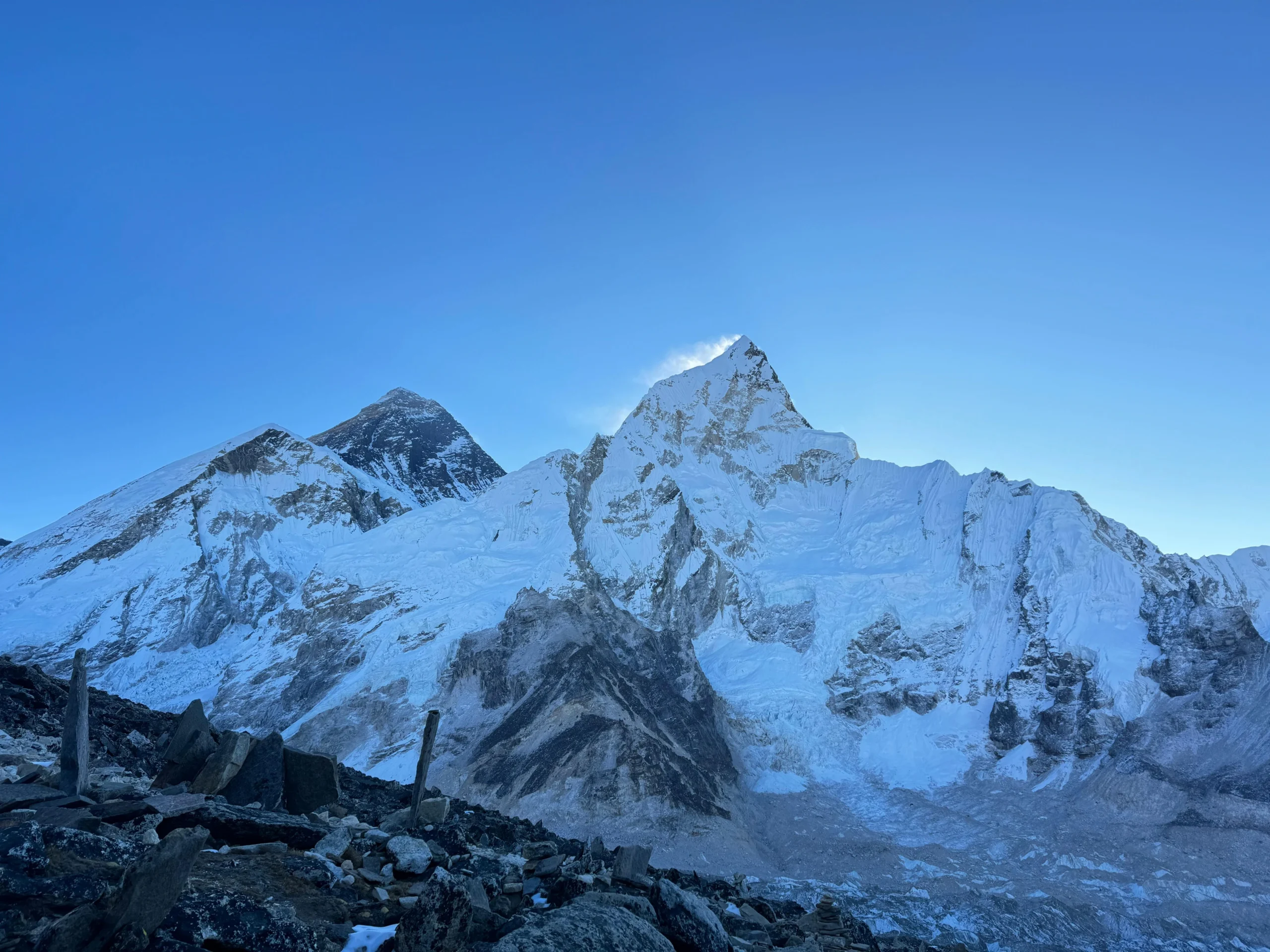
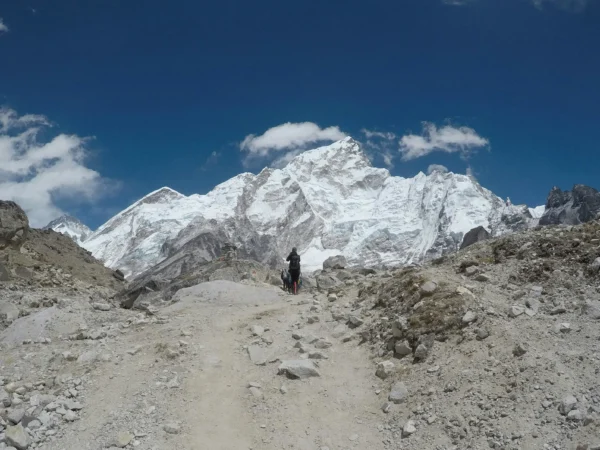
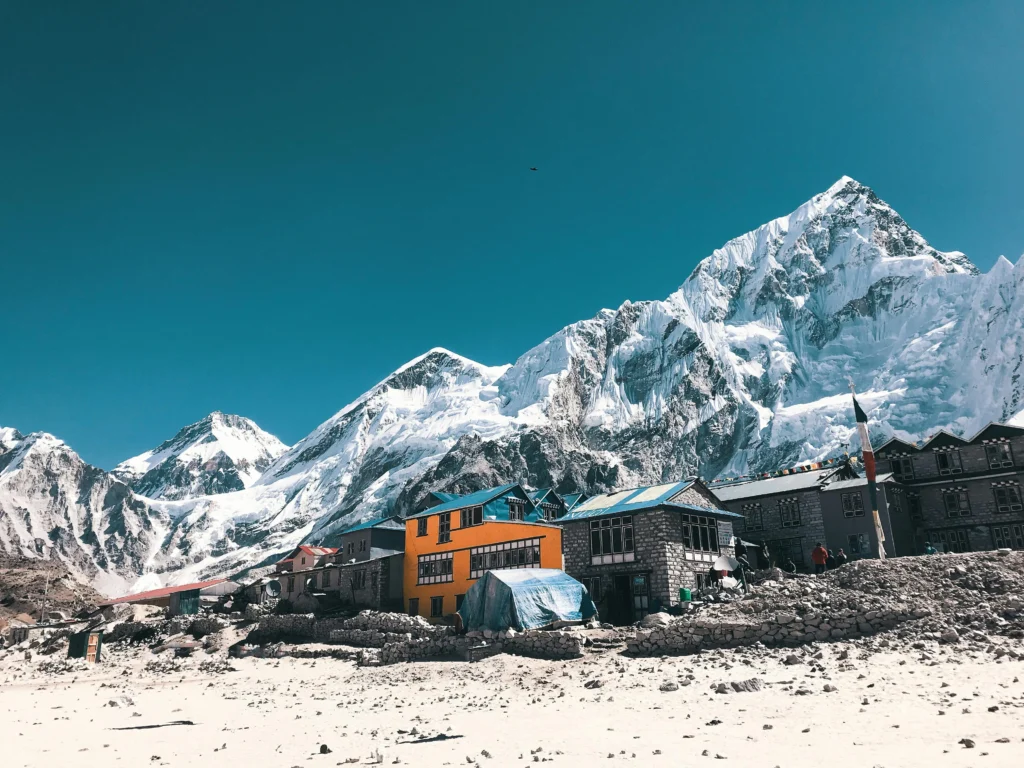
Kala Patthar offers the most breathtaking panoramic views of Mount Everest and its entourage. Kala Patthar viewpoint provides the most glorious vista of Everest and its surroundings in the first light of dawn. As we ascend to this black rock, we will witness the golden crown of Everest emerge through the silence of the visuals. The Himalayas do not just surround us; they will humble us while wrapping us in their raw and timeless majesty.
4. Cho La Pass (5420 m)
Cho La Pass, an exhilarating high-mountain pass, connects the Everest Base Camp trail to the tranquil Gokyo Valley. We will cross the steep ascents and glacial traverses with often icy sections that require careful footing. From the pass, the views of Cholatse, Ama Dablam, and other neighboring peaks will be inspiring. The Cho La Pass is dramatic as it expands to the rugged cliff to shimmering ice. Cho La Pass represents the perfect blend of adrenaline.
5. Gokyo Lakes & Gokyo Ri (4790 m / 5357 m)
The Gokyo Lakes are a pristine turquoise glacial lakes in series set beneath the towering peaks that offer some of the most photogenic scenery in Nepal. The climb to Gokyo Ri will provide us with a sweeping 360-degree panorama of Everest, Lhotse, and neighbouring peaks. The contrast of dramatic snow-clad mountains will create an otherworldly landscape. The tranquility of Gokyo Village adds us the charm that makes it an ideal spot of retreat and quiet reflection amidst nature’s splendor.
6. Renjo La Pass (5360 m)
Renjo La Pass is the most scenic and beautiful among the three passes. The top of the pass provides us with the perfect view of the entire Gokyo Valley and the Everest. Despite the climb being strenuous and challenging, the descent into the remote area of Thamel will reveal and reward us with the quiet, less-visited side of the Khumbu region. Renjo La’s summit will capture a pristine Himalayan panorama. This pass is a favorite in terms of rewards for the trekkers seeking visual grandeur from the crowded trails.
7. Tengboche Monastery (3860 m)
Tengboche Monastery, a spiritual haven, sits nestled against the striking backdrop of Ama Dablam. While we approach through the whispering forests, the monastery will reveal itself like a mirage. The sacred site is a perfect place to immerse ourselves in the serene and secluded spiritual ambiance of the Himalayas. Inside the monastery, the vibrant hum of monks chanting prayers fills the air. Sunrise or sunset here evokes a profound sense of peace and presence.
8. Ngozumpa Glacier
The Ngozumpa Glacier, a massive ice river, flows from Cho Oyu into the Gokyo Valley. This is also the largest glacier in Nepal. This is considered a challenging walk in this trek. Its rugged terrain features shifting ice and jagged moraine ridges. However, the up-close encounters of shifting ice and moraine ridges, and glacial lakes reflect the peaks above. The scale and texture create a surreal environment.
Day 1: Arrival in Kathmandu (1400 m)
Day 2: Free Day in Kathmandu (1400 m)
Day 3: Kathmandu/Manthali – Lukla – Phakding (2840 m – 2610 m | Flight 25–30 min | Walk 3–4 hrs)
Day 4: Phakding – Namche Bazaar (3440 m | Walk 5–6 hrs)
Day 5: Acclimatization Day in Namche Bazaar (3440 m | Optional 3–4 hrs hike)
Day 6: Namche Bazaar – Tengboche (3860 m | Walk 5–6 hrs)
Day 7: Tengboche – Dingboche (4410 m | Walk 5–6 hrs)
Day 8: Dingboche – Chukung (4730 m | Walk 3–4 hrs)
Day 9: Acclimatization Day in Chukung (4730 m | Optional 4–5 hrs hike)
Day 10: Chukung – Kongma La Pass (5535 m) – Lobuche (4910 m | Walk 7–8 hrs)
Day 11: Lobuche – Gorakshep (5140 m | 3 hrs), Day trip to Everest Base Camp (5364 m | 4–5 hrs round trip)
Day 12: Gorakshep – Kalapathar (5545 m | 2–3 hrs hike) – Dzongla (4830 m | Walk 4–5 hrs)
Day 13: Dzongla – Cho La Pass (5420 m) – Thangnak (4700 m | Walk 6–7 hrs)
Day 14: Thangnak – Gokyo (4790 m | Walk 2–3 hrs)
Day 15: Acclimatization Day – Gokyo Ri (5357 m | 3–4 hrs hike) & Gokyo Village (4790 m
Day 16: Gokyo – Renjo La Pass (5360 m) – Marulung (4210 m | Walk 7–8 hrs)
Day 17: Marulung – Thame – Namche Bazaar (3440 m | Walk 6–7 hrs)
Day 18: Namche Bazaar – Phakding – Lukla (2840 m | Walk 6–7 hrs)
Day 19: Flight from Lukla to Manthali/Kathmandu (1400 m | Flight 25–30 min)
Day 20: Departure from Kathmandu (1400 m)
| Permit Name | Cost (NPR) | Cost (USD) | Where to Obtain |
| Sagarmatha National Park Entry Permit | 3,000 + 13% VAT (~3,390) | ~25.50 | Nepal Tourism Board (Kathmandu) or Monjo checkpoint |
| Khumbu Pasang Lhamu Rural Municipality Entry Permit (Trek Card) | 2,000 (first 4 weeks); 2,500 (after 4 weeks) | ~15 (first 4 weeks); ~18.80 (after 4 weeks) | Lukla or Monjo checkpoint |
Important Information:
Spring (March–May)
The spring is a very transformative season in the Everest region that blows us into a vibrancy of mountain paradise. In the season, Rhododendron forests bloom in shades of reds, pinks, and whites. These shades create a unique blend of beauty in the green forests.
The weather will be stable along with the clear skies that offer the unobstructed views of the Everest and the surrounding peaks as well. The weather is clear, and the temperature remains mild as we pass the mild altitudes. The nights in nights will still be cold. This season also collides with the Everest Expedition activity, so you should expect to have bustling crowds in the Everest Base Camp trails. However, the rewards and experience in this season will be exceptional for the Three Passes trek.
Autumn (September–November)
Autumn is the season that is considered the best for any tourism activities in Nepal, and rightly so for the Everest Three Passes trek. After the end of the monsoon, the weather gets dry, and the air is fresh and dust-free, which helps in revealing the ravishing shapes of the mountains that are crystal-clear and seem almost unreal in their sharpness.
As festivals like Mani Rimdu, Dashain, and Tihar draw near, the villages along the trail come alive with vibrant energy. Skies will remain largely clear with no chance of rain whatsoever. We will have a rich cultural immersion on this trek to have a fresh experience. Also, due to the season of festivals and holidays, we will encounter and get to gel up with the numerous Nepali trekkers as well.
The Everest Three Passes Trek is one of Nepal’s most demanding teahouse treks, requiring excellent fitness, endurance, and mental resilience. Long walking days, high altitudes, and challenging terrains test trekkers physically and mentally. Proper acclimatization, preparation, and determination are essential to complete this adventurous Himalayan circuit.
Altitude Sickness is a probable risk during the trek to the Everest Three Passes, especially as we ascend above 3000m. Our body requires time to adjust to the reduced oxygen levels, and proper acclimatization and rest are a must for the reduced oxygen levels. If not cared for properly, it can result in altitude sickness. That’s why recognizing symptoms early and taking preventive measures is essential.
The Everest Three High Passes trek follows the traditional Everest Base Camp, passing the villages like Monjo, Namche Bazaar, Tengboche, etc. The traditions of the Sherpa People and their vibrant culture will be seen everywhere on the trail. Along the route, we will be greeted by prayer flags fluttering, mani walls, and vibrant and colourful monasteries. The Sherpa people are resilient and grounded in their culture. During the time of the festivals like Mani Rimdu and Lhosar, the community celebration in gatherings becomes so vibrant and enchanting experience. Sharing tea with the Sherpa will also mean we get enough cultural and lifestyle insights into these people living in the Khumbu region.
Food on the Trail
The meals on this trek are basic, tasty, and very nutritious. The staples offering the mix of Nepali, Tibetan, and a few continental options will provide sustaining energy, and the options like momos, noodle soup, pasta, and pancakes cater to variety. The options will diminish as the altitudes up, but the food will be prepared freshly. We might have to rely on lentils and dry vegetables as we reach the higher regions, but the taste, health, and hygiene of the food will not be compromised throughout the trek. It is recommended to avoid raw items and opt for toiled and cooked meals to ensure hygiene and health.
Accommodation on the Trail
During the Everest Three High Passes trek, accommodation consists mainly of welcoming, family-run teahouses. The hosts will be very hospitable, kind, and welcoming to the guests. The teahouse in the higher altitudes will be very basic with twin-room beds, foam mattresses with pillows and blankets. We will have to bring our sleeping bags for comfortable sleep on the colder nights.
Teahouse dining areas are warmed by yak dung or wooden stoves, creating a cozy atmosphere. The teahouses or lodges in the villages like Namche Bazaar and Lukla will have basic urban facilities such as hot showers and attached bathrooms. Electricity and charging devices are available in most of the teahouses with a small fee. The teahouses offer simple yet warm and hospitable lodging for trekkers.
Alpine Vista Treks strongly and strictly advocates the requirement of Travel Insurance for high-altitude treks and trips to a foreign land. Travel insurance helps against unforeseen conditions like altitude sickness, injuries, and probable flight cancellations or lost baggage. Given the conditions, you can never predict what will happen, especially in high-altitude treks like Everest Base Camp. Sudden weather changes and health issues can sweep away your hard-earned money, and Travel Insurance helps in covering the potential loss of money due to unpredictable emergencies. Make sure your travel insurance covers the high-altitude terrain and helicopter evacuation if necessary.
The Everest Three High Passes trek will take us to the breathtaking landscapes and rich Sherpa culture, and three thrilling high-mountain pass crossings. This trek offers us the unmatched diversity of the alpine valleys to the glacial traverses. This will make it perfect for the adventurous trekkers who seek both scenic beauty and accomplishment of physical fitness.
Traveling with Alpine Vista Treks will ensure a trekker or traveler for a seamless, comfortable, and enriching Everest Three Passes experience. Our expert guides will navigate through the trek with a meticulously planned and crafted itinerary and well-equipped service to have your routine checkups and get updates on your health. We provide you with full logistical support on your demand from your arrival in Nepal till you depart from the country.
Alpine Vista Treks has carefully designed the itinerary and acclimatization days to adapt to the elevating altitude and ensure you get the experience of Nepal without any health problems. We invite everyone who wants to visit the country and explore. You can directly text us on WhatsApp on + 977 9851232342 or email us at [email protected].
1) What is the Everest Three Passes Trek, and why is it unique?
The Everest Three Passes is a unique adventure of about three weeks, crossing the iconic passes like Kongma La, Cho La, and Renjo La. The trek offers a unique odyssey to the Everest, Lhotse, Makalu, and other major and lower mountains.
2) How difficult is the Everest Three Passes Trek?
This trek is a difficult one. We will cross the high altitude mark of 5000 over the rugged and stony trail to the glacial moraines many times. Prior trekking experience, physical fitness, and mental endurance are essential for the trek. Multiple rest days are accommodated.
3) What is the best time to do the Everest Three Passes Trek?
For the best experience and safety of the trek, we have to conquer the Three Passes trek in the seasons of Spring and Autumn only.
4) Do I need prior trekking experience for this trek?
It would be a great bonus for you to have a prior high-altitude trekking experience. The trek involves high altitude challenges, and we will spend many days above 4500m, so it is a challenging trek. That's why prior trekking experience is highly regarded.
5) What permits are required for the Everest Three Passes Trek?
We would need two major permits for this trek. Sagarmatha National Park Permit and the Khumbu Pasang Lhamu Rural Municipality entry permit.
6) Is altitude sickness a major concern?
With several days above 4500m in the trek, we might face the risk of altitude sickness. For that this itinerary has tailored the strategic and well-maintained acclimatization plans.
7) What kind of accommodation is available during the trek?
The teahouse accommodation is basic and is run by the local families. The facilities range from the simple twin rooms to slightly upgraded stays in villages like Namche Bazaar.
8) What kind of food can I expect on the trek?
We must expect food that is a mix of Nepali, Tibetan, and a few staples of continental food. The staples consist of noodles, pasta, soups, and pancakes. The options will get limited as we go higher.
9) Is travel insurance mandatory for the Everest Three Passes Trek?
Travel Insurance is highly regarded for this trek. Travel insurance that covers the high-altitude trekking(above 5500m), helicopter evacuation, and medical emergencies is highly recommended.