The Nar Phu Valley and Tilicho Lake Trek is an immersive embarkation into one of the most remote but culturally rich regions in Nepal. The trek combines the serene and […]
The Nar Phu Valley and Tilicho Lake Trek is an immersive embarkation into one of the most remote but culturally rich regions in Nepal. The trek combines the serene and secluded wilderness of the Nar and Phu valleys along with the shimmering beauty of Tilicho Lake and the steep ascent of Kang La Pass and Thorong La Pass, all at a single trek. We will enjoy the panoramic shapes of the Annapurna ranges with the blend of Tibetan-influenced culture in the villages that are rarely visited by outsiders.
Our trek starts from Dharapani, and the trail will gradually ascend through the forests and cliffs before we reach the mystic villages. Nar and Phu villages are culturally preserved gems with the great influence of Tibetan Buddhism and its culture. The route will continue as we cross Kang La Pass, which rewards the trekkers with the most serene and unique panorama of Annapurna II and neighbouring peaks. The adventure’s immersion deepens as we trek to the Tilicho Lake surrounded by the towering peaks. The trek challenges with the iconic Thorong La pass before we descend down to the feet of Muktinath, a highly revered pilgrimage site of Nepal.
Alpine Vista Treks will assure you of professional guidance and seamless logistics, along with warm hospitality. The expert team will ensure your safety, comfort, and deeply immersive services to make the journey to the Himalaya memorable and enriched. Our knowledgeable and highly experienced guides will guide you to the incredible hidden valleys and help you conquer the high passes safely. Alpine Vista Treks invites everyone who wants to embark on the adventure that blends discovery, challenge, and lifelong memories in the heart of the Annapurna region, which extends towards Tilicho and beyond.
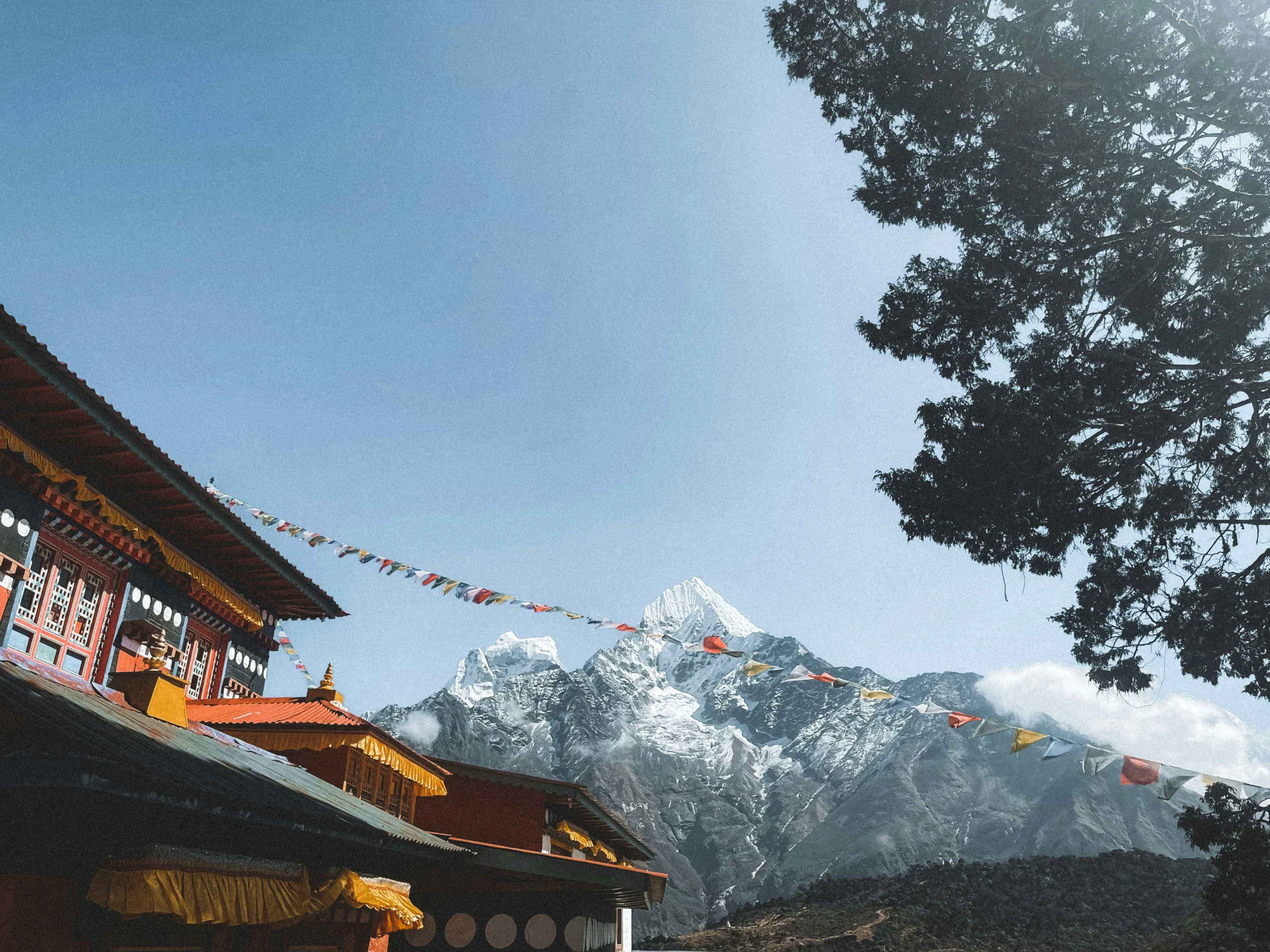
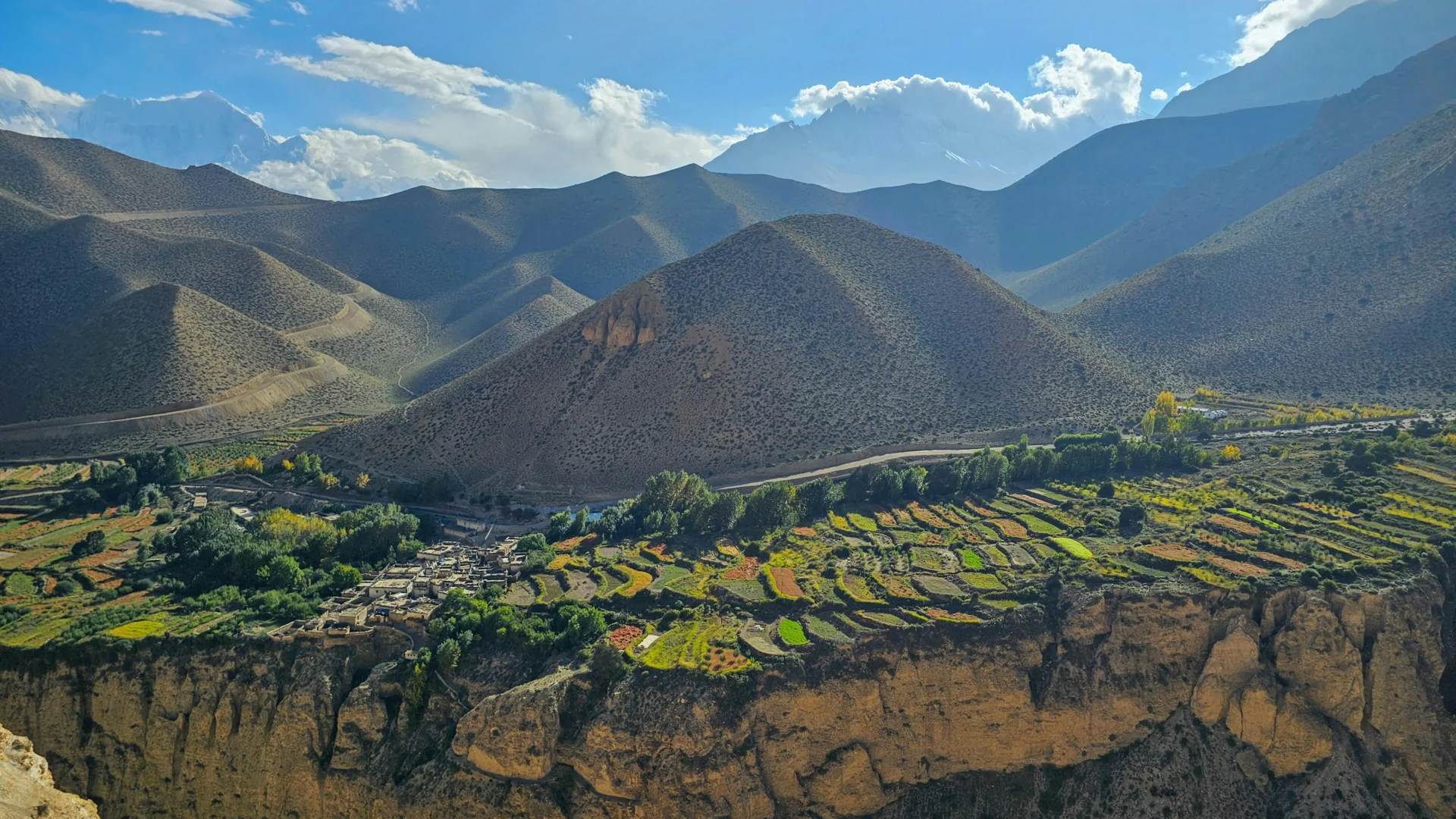
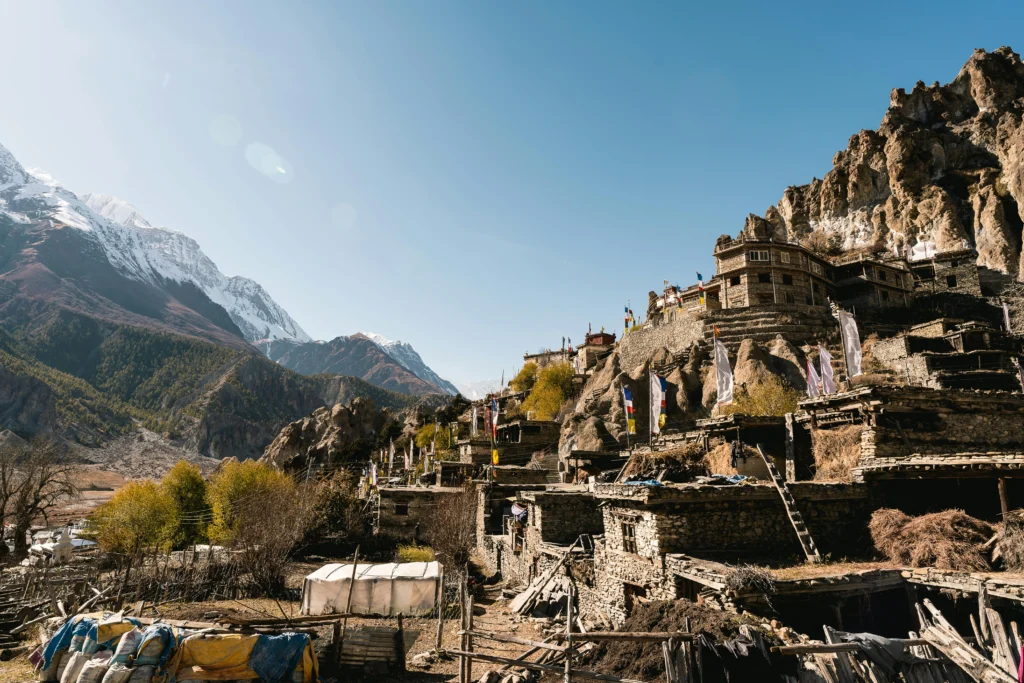
The Villages of Nar and Phu are the protected treasures of the country. These villages are tucked away in the corners of the Himalayas in the remote corners. The medieval-style stone houses and the culture of the age-old reflect the practices influenced by Buddhism. The time seems to stand still as the locals are engaged in agriculture and yak herding activities. The serene monasteries flutter the prayer flags that enrich the spiritual atmosphere. Visiting such villages allows the trekkers to have a unique and barren experience untouched by modernity.
Tashi Lhakhang Monastery is a revered monastery in Phu. The monastery is one of the most significant landmarks in the Nar Phu Valley, located on the cliffside of the Phu Village. The monastery radiates a deep sense of peace and devotion with a touch of serenity. The ancient sculptures, sacred relics, and prayer flags are adorned with colourful murals. Trekkers often describe the atmosphere as calm and a proud spiritual destination. Having a visit to Tashi Lakhang Monastery is a deep reflection of culture.
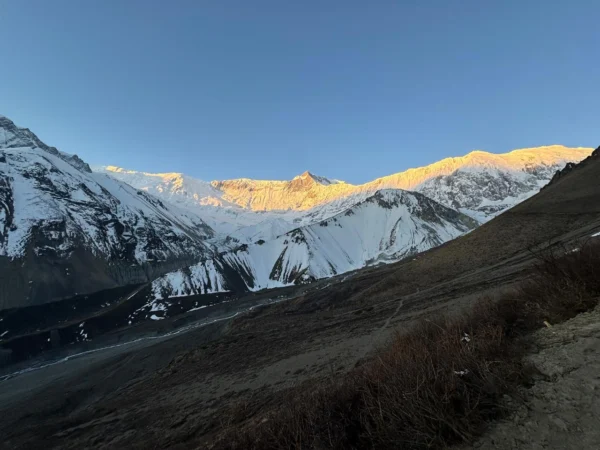
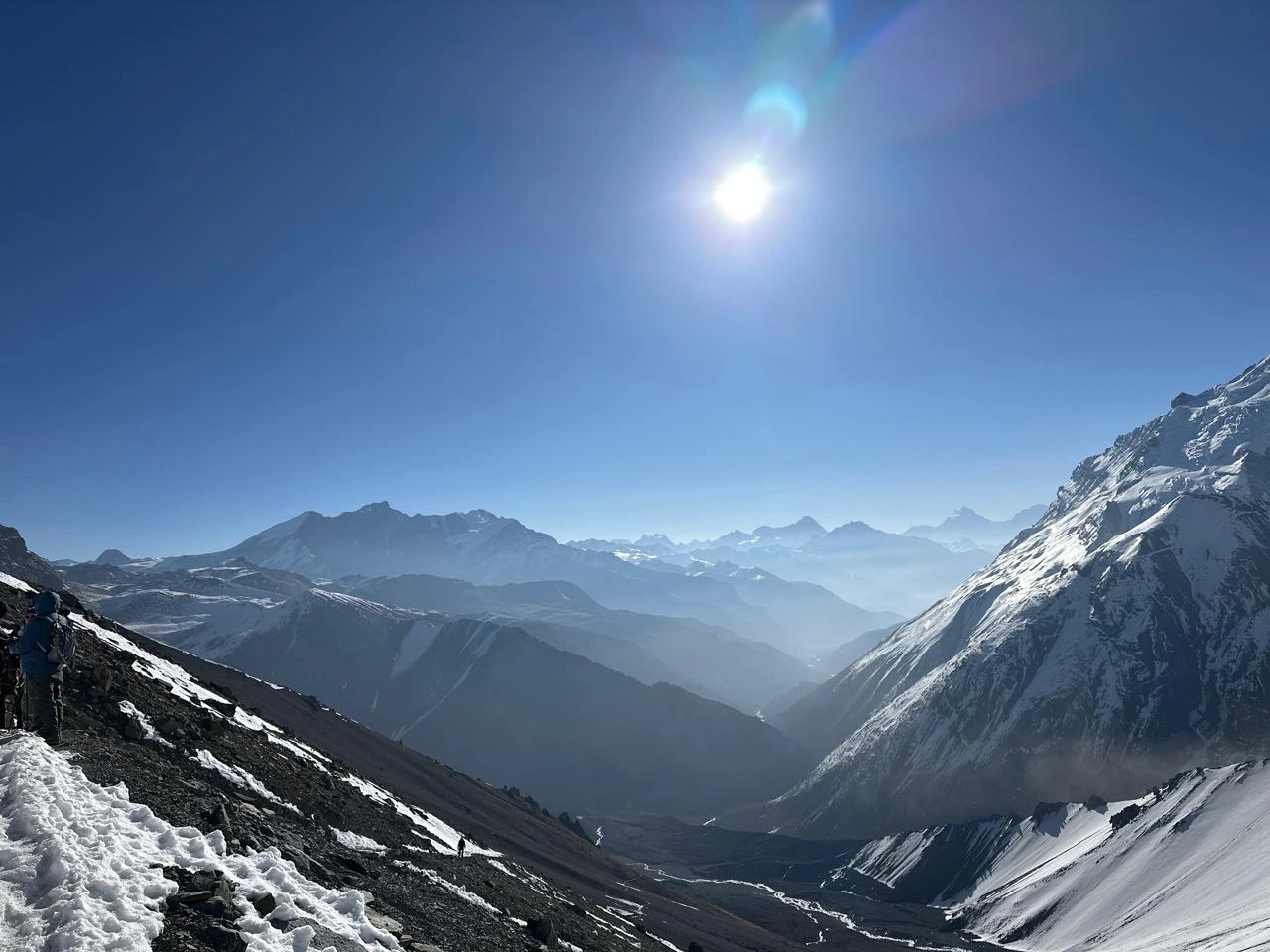
The Kang La Pass is a thrilling highlight of the trek. The pass is 5240m high and links the Nar Phu Valley with the Manang region. This pass is both challenging and rewarding at the same time. The cliff ascent offers one of the best panoramic views of the Annapurna range afar. The summit rewards the trekkers with a sea of snowcapped giants, along with the crowning view of Annapurna II and neighbouring peaks. The climb is challenging but equally rewarding at the same time.
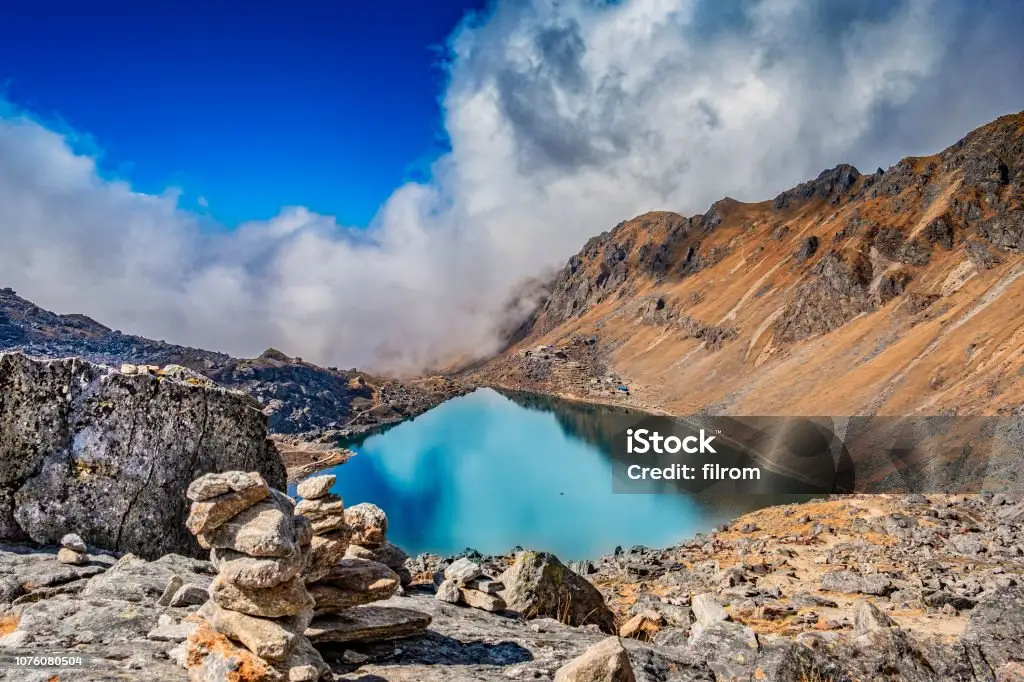
Tilicho Lake at 4919m is regarded as the world’s highest lake. This is a breathtaking jewel set against the towering backdrop of the peaks. The journey to the lake promotes the narrow trails carved into the cliffs, but rewards with the dramatic alpine landscapes that unfold within the remarkable views of the nearby peaks. The journey is rewarded with the sacred atmosphere that invites quiet reflection of the lake. The cultural depth of this lake is as deep as the lake is revered highly by the Buddhist and Hindu followers.
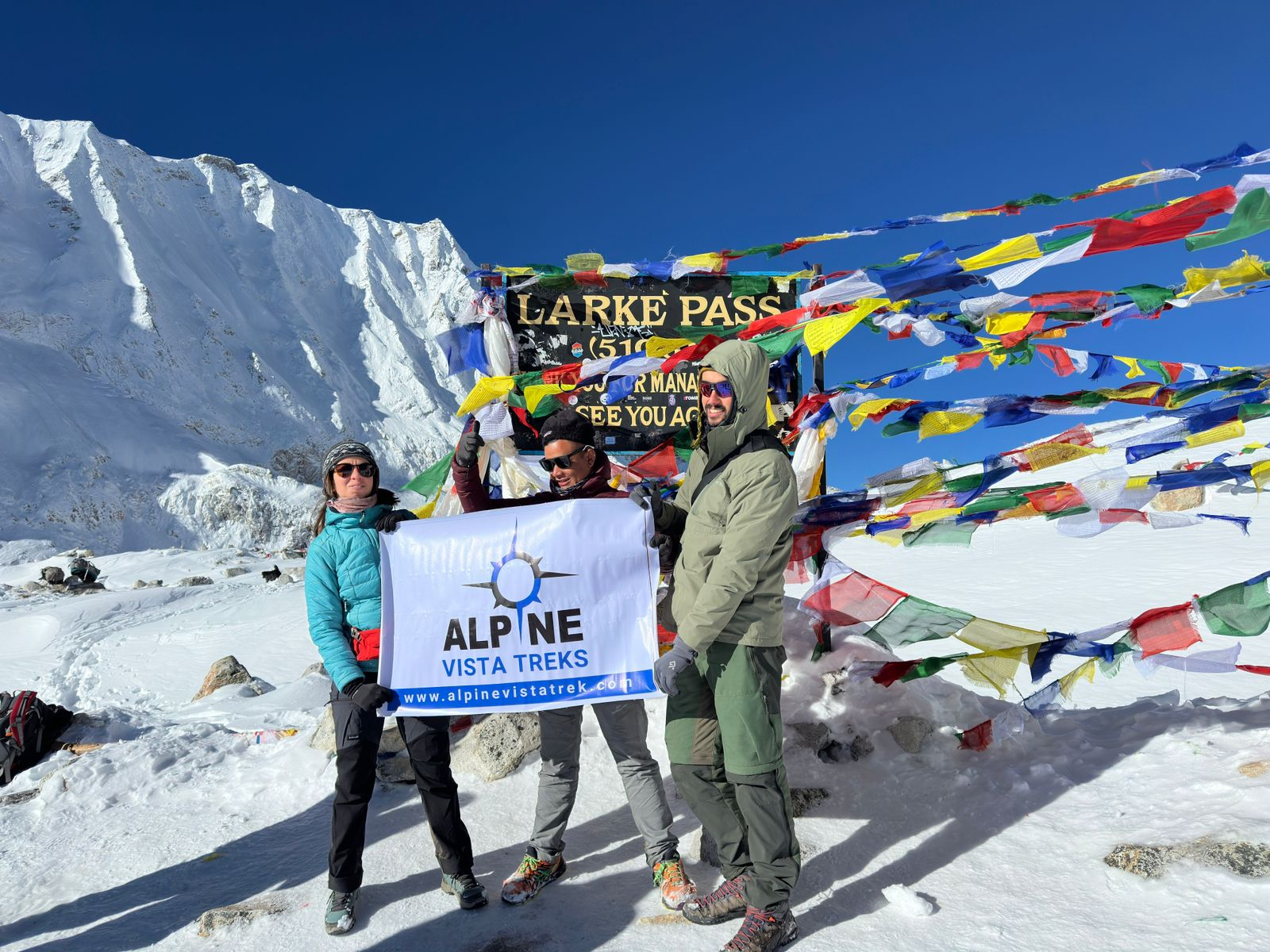
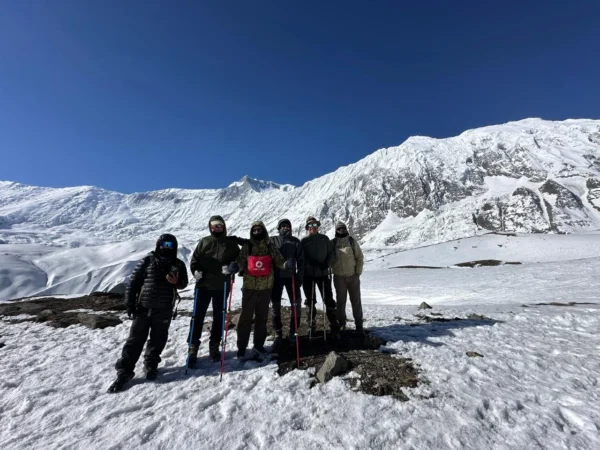
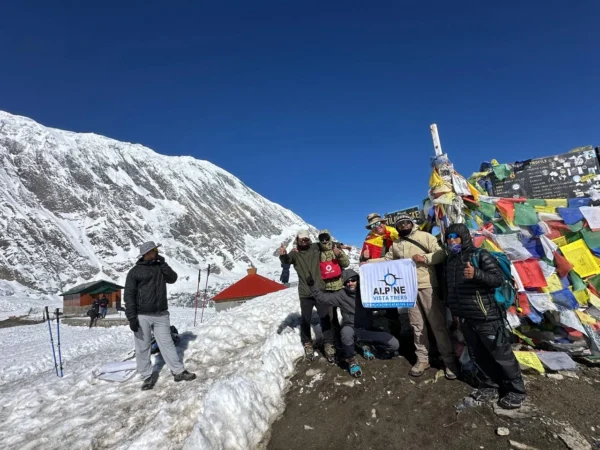
Thorong La Pass is the highest and demanding pinnacle of this trek. Thorong La Pass is also one of the highest crossable passes in Nepal. The pass crossing is steep and long, by the rewards are extraordinary. The unparalleled visuals of the Annapurna and Dhaulagiri ranges will make us feel un-tired of the journey. The descent will take us to Mustang and lead us towards the sacred temple of Muktinath Temple. For many, conquering the pass is a dream mission.
Muktinath Temple is a highly revered pilgrimage site. This temple is a sacred site to both Hindus and Buddhists. It is a home to the eternal flame that promotes peace and 108 water spouts, where pilgrims believe this to have the power of cleansing sins. The temple’s complex blends with the religious devotion, with the magnificent mountain views in the backdrop. After crossing Thorong La Pass, this temple visit will feel like a blessing and a moment of reflection that leaves a lasting impression on the visitors.
The diversity of this trek is one of the greatest attractions. The incredible variety of the landscapes and cultures blends with the culture. While we begin in the lush greenery and river valleys, the journey quickly transitions into the stark Himalayan deserts and high-altitude pastures. The cultural diversity of communities like Gurungs, Tibetans, and Manangis will enhance the experience along with the great grandeur of the Himalayas. Every step of this trek offers a raw and diverse experience. The blend of natural beauty and culture defines this trek as the most immersive and attractive.
We will step off the beaten path and discover the raw beauty of Nar Phu Valley and Tilicho Lake Trek in this journey. We will follow the rugged and diverse landscapes that will meet timeless traditions. The journey will combine cultural immersion and natural wonders. High altitude passes will offer the trekkers a rare experience in Nepal’s one of the most remote and hidden Himalayan regions.
We will get to experience the authenticity of the hidden gems of Nar and Phu villages. The Tibetan influence flutters with the age-old monasteries and preserved culture.
We will visit one of the highest lakes in the world, as well as the revered Lake Tilicho, which rewards the trekkers with breathtaking panoramas.
We will conquer the two high passes, Kang La Pass(5240m) and Thorong La Pass(5416m) in a single go.
We will get to explore and experience the serene cultural and spiritual encounters of Nar Phu Valley along with Muktinath Temple.
Day 1: Arrival in Kathmandu (1,400m)
Day 2: Preparation Day & Sightseeing in Kathmandu (1,400m)
Day 3: Drive from Kathmandu to Dharapani (1,960m) | 8–9 hrs
Day 4: Trek from Dharapani to Koto (2,600m) | 5–6 hrs
Day 5: Trek from Koto to Meta (3,560m) | 7–8 hrs
Day 6: Trek from Meta to Phu (4,250m) | 6–7 hrs
Day 7: Acclimatization Day in Phu (4,250m)
Day 8: Trek from Phu to Nar (4,110m) | 6–7 hrs
Day 9: Trek from Nar to Ngawal (3,660m) via Kang La Pass (5,240m) | 7–8 hrs
Day 10: Trek from Ngawal to Manang (3,540m) | 3–4 hrs
Day 11: Trek from Manang to Tilicho Base Camp (4,140m) | 6–7 hrs
Day 12: Trek from Tilicho Base Camp to Tilicho Lake (4,919m) & return | 6–7 hrs
Day 13: Trek from Tilicho Base Camp to Yak Kharka (4,050m) | 5–6 hrs
Day 14: Trek from Yak Kharka to Thorung Phedi (4,450m) | 4–5 hrs
Day 15: Trek from Thorung Phedi to Muktinath (3,800m) via Thorung La Pass (5,416m) | 8–9 hrs
Day 16: Drive from Muktinath to Pokhara (900m) | 8–9 hrs
Day 17: Drive from Pokhara to Kathmandu (1,400m) | 6–7 hrs
Day 18: Final Departure
| Permit Type | Price (USD) | Details |
| Nar-Phu Valley Restricted Area Permit (RAP) | $100 per person for the first 7 days (Sept–Nov); $75 per person for the first 7 days (Dec–Aug); $15 per additional day | Required for trekking in the restricted Nar-Phu Valley. Important for covering areas like Phu and Nar villages. |
| Annapurna Conservation Area Permit (ACAP) | $30 per person | Mandatory for the entire trek for a single time entry. But valid for an unlimited time. |
| Trekkers’ Information Management System (TIMS) Card | $10 per person (group trekkers); $20 per person (individual trekkers) | Required for the Annapurna Circuit portion. Not a mandatory document since July 2023 |
Key Notes:
Spring is among the transforming seasons for the Narphu Valley and Tilicho Lake Trek. The hillsides will bloom with rhododendrons and wildflowers, along with the lush greenery that creates a stunning contrast against the snow-capped Annapurna and Dhaulagiri ranges. The days are pleasant and warm, and are vibrant with the comfortable trekking temperatures. The skies will offer great visuals for most of the season. The wildlife activity during the season in the lower regions will be at its peak as spring is the breeding season. Spring is easily the ideal season for those who like to enjoy the glimpses of the Himalayas along with the immersive activities along the trail.
Autumn is Nepal’s favourite season and is regarded as the best trekking season for Nar Phu Valley and Tilicho Lake Trek. Post-monsoon will bring freshness and the clarity of reflections on Tilicho Lake. The trails are dry and comfortable to walk along. This season makes it easier while crossing the high passes like Kang La and Thorong La passes.
The daytime temperatures will be pleasant, with the nights being cold. This season collides with the major Nepali festivals like Dashain and Tihar. That means the trekkers will have an immersive trek through the local communities. With stable weather conditions and minimal risks, autumn is easily the best and most immersive season for the trekkers who want to blend the adventure with cultural encounters.
The Nar Phu Valley and Tilicho Lake Trek is among the most challenging adventures in Nepal. This trek is highly recommended for trekkers with previous experience of high-altitude treks. The trails of the trek involve long trekking days, rocky terrain, and walking the steep ascents and descents frequently. The trek will reach the high altitudes of 5000m and above multiple times, which can invite the risks of altitude sickness and other hazardous injuries. The weather can also be very unpredictable during the embarkation to high altitudes, so there are many unforeseen risks for this trek. Alpine Vista Treks will do everything in our power to make this trek safe and sound for the trekker.
The Nar Phu Valley and the Tilicho Lake Trek offers the most immersive and authentic Himalayan traditional activities. The hidden villages like Nar and Phu villages preserve a Tibetan-Influenced lifestyle along the stone-built houses, prayer flags, and the centuries-old monasteries that reflect a timeless culture of the trail. Trekkers will get to experience the subsistence farming, ancient trading practices. The nearby monastery from Phu, named Tashi Lhakhang Monastery, will be blessed by the revered lamas who provide the spiritual insight into the rich Buddhist heritage. It will be a rare and rich experience, connected deeply with the essence of spirituality and culturally, for the remoteness of the Himalayas.
Meals during the trek are reflected by a blend of Nepali and Tibetan flavours that are offered for the trekkers for nourishment and immersion. The local staple of dal bhat will fuel the necessary carbs for the longer trekking days, while the Tibetan staples such as Thukpa, Tsampa, and Tibetan Bread provide a unique taste and nutrients. In the remote regions, food variety becomes simpler, and many options are not available. Trekkers will get to enjoy the locally produced ingredients in the food. Drinks like tea, butter tea, lemon tea, etc., are very popular in the trail to keep trekkers warm. The simplicity of the meals reflects the authenticity of the Himalayan life throughout the trek.
The teahouses’ facilities during the trek are basic and welcoming that offering the trekkers a warm place to rest. The teahouses are basic and built with traditional wood and stones. They provide simple rooms, often with twin-shared bedrooms, thick and warm blankets, and limited heating. We have to rely on the communal stove for heating ourselves. The facilities will be modest as we trek through the remote regions. Despite the simplicity and modesty, the hospitality by the teahouse owners will be top-notch. Sitting around the fire with butter tea will be a unique experience, with the locals making the experience as memorable as the trek itself.
Travel Insurance is an important commodity for the Nar Phu Valley trek. The high-altitude terrain and challenges in the remote terrain make this trek very strenuous, with the risks of altitude sickness, injuries, and sudden health issues posed on each step. The travel insurance that covers helicopter evacuation, medical treatment, and trip cancellations will ensure the trekker his/her mental peace along with financial security. During such treks, which can reach the altitude of 5000m and more, having a conventional and comprehensive travel insurance is essential. Alpine Vista Treks thoroughly advises its esteemed clients to buy travel insurance that can protect against the unexpected risks to be secured in the Himalayan experience.
Traveling with Alpine Vista Treks will ensure a trekker or traveler for a seamless, comfortable, and enriching Himalayan experience. Our expert guides will navigate through the trek with a meticulously planned and crafted itinerary and well-equipped service to have your routine checkups and get updates on your health. We provide you with full logistical support on your demand from your arrival in Nepal till you depart from the country.
Alpine Vista Treks has carefully designed the itinerary and acclimatization days to adapt to the elevating altitude and ensure you get the experience of Nepal without any health problems. We invite everyone who wants to visit the country and explore. You can directly text us on WhatsApp on + 977 9851232342 or email us at [email protected].
1) How remote is the Nar Phu Valley compared to other treks in Nepal?
Nar Phu is one of the most remote and secluded trekking sections in Nepal. It is far more remote than the commercialized trekking routes like Everest and Annapurna.
2) Do I need a special permit for the restricted Nar Phu Valley?
Yes, trekkers require a Nar Phu Restricted Area Permit (RAP), which is only issued through a registered trekking agency. Alpine Vista Treks will help you.
3) Can beginners attempt the Nar Phu Valley with Tilicho Lake Trek?
This trek is not recommended for beginners or unfit trekkers. We only advise the seasoned trekkers with prior high-altitude experience for some obvious reasons.
4) What makes this trek culturally unique?
This trek will offer a deep immersion and a dive into the rich culture influenced by the Tibetan culture. The old monasteries and untouched traditions are the major contents to consume while being on this trek.
5) Are there Wi-Fi and charging facilities along the trail?
The facilities in this trek will be limited, and electricity will be provided by solar power. Charging facilities may not be available everywhere on the trek.
6) What kind of wildlife can I see in Nar Phu Valley?
Trekkers may spot blue sheep, Himalayan thar, snow leopards (rare), and a diverse array of alpine birds in the region.
7) Is Tilicho Lake accessible year-round?
Tilicho is not accessible all year round. The seasons of winter and monsoon are not favourable for an immersive journey to the Tilicho Lake.
8) Do teahouses provide heating in Nar and Phu villages?
Heating services are usually limited to a communal stove in the dining area. The rooms are not heated; you have to bring a sleeping bag for enough heat.
9) How long does it take to cross Thorong La Pass during this trek?
The crossing of Thorong La Pass typically takes 8 hours to complete. We need to start from early dawn and will finish during the late afternoon.
10) Why combine Nar Phu Valley with Tilicho Lake and Thorong La Pass?
The combination of the Nar Phu valley created diversity of remote and untouched culture and raw Himalayan grandeur. Such features help this trek become one of the most adventurous treks.