Overview of the Everest Three Passes Trek
The Everest Three Passes Trek is widely regarded as the most complete and adventurous trekking circuit in Nepal. Instead of following the classic in-and-out trail to Everest Base Camp, this route forms a dramatic high-altitude loop that crosses three Himalayan passes above 5,000 meters while linking the main highlights of the Khumbu. Trekkers experience the remote eastern valley of Chhukung, the iconic Everest Base Camp trail, the icy crossing of Cho La, and the pristine Gokyo Valley before returning through the quiet Thame valley. Because it combines multiple regions into one continuous journey, the Everest Three Passes Trek is often described as the “ultimate Everest trek” for those who want far more than just base camp.
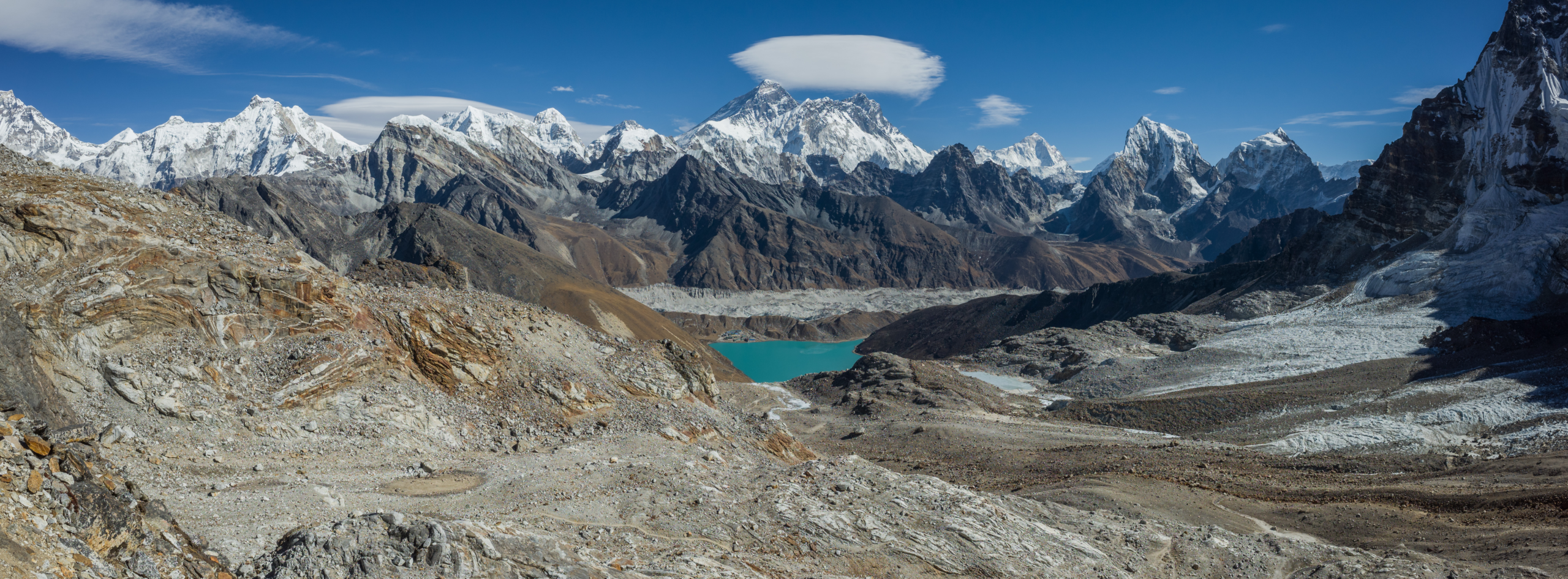
Geographically, this trek lies in the heart of the Everest Region (Khumbu), inside the protected boundaries of Sagarmatha National Park. The journey begins with a mountain flight to Tenzing-Hillary Airport (Lukla Airport), the gateway to the Khumbu. From Lukla, the trail follows the Dudh Koshi valley to Namche Bazaar, then gradually branches into different high valleys that are connected by the three passes: Kongma La, Cho La, and Renjo La. Along the way, trekkers walk through traditional Sherpa villages, ancient monasteries, glacial moraines, alpine lakes, and dramatic mountain viewpoints that include Everest, Lhotse, Makalu, and Cho Oyu.
In terms of scale, this is a long and demanding trek. The full circuit typically covers 160–170 kilometers over 18 to 21 days, depending on acclimatization and side trips. The altitude range starts around 2,800 meters in Lukla and rises to a maximum of 5,535 meters at Kongma La Pass. Several nights are spent above 4,500 meters, and multiple days involve crossing rugged terrain at very high elevation. Because of this, the itinerary is carefully designed with acclimatization days in Namche Bazaar and Dingboche to allow the body to adjust gradually to the thin air.
This trek is best suited for fit, experienced trekkers who are comfortable walking 6–8 hours a day for nearly three weeks at high altitude. Previous trekking experience above 4,000 meters is highly recommended. It is not ideal for first-time trekkers or those unsure about hiking on snow, loose rock, or glacier sections. With proper preparation, training, and guidance, however, it becomes an incredibly rewarding journey for adventure seekers who want to experience every major highlight of the Everest region in one unforgettable expedition.
Complete Route Summary, Acclimatization Strategy & Route Options (18–21 Days)
The standard 18–21 day plan for the Everest Three Passes circuit is designed as a gradual high-altitude loop that links all the major valleys of the Khumbu into one continuous journey. Rather than moving straight toward base camp and returning the same way, the trail branches into three different high valleys that are connected by the passes. This creates a logical flow: trekkers first enter the main Everest trail, then divert into the eastern Chhukung valley, cross into the Everest Base Camp side, traverse toward the Gokyo Valley over a glacier pass, and finally return through a quiet western valley before rejoining the main trail.
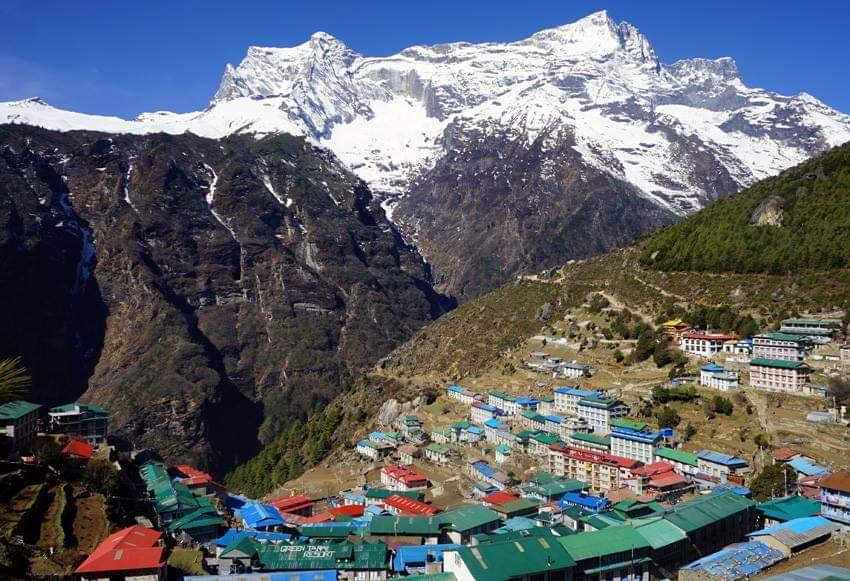
The journey begins by following the Dudh Koshi river toward Namche Bazaar, the vibrant Sherpa hub and the natural acclimatization point of the region. From here, the route slowly gains altitude through Tengboche and Dingboche before entering the more remote Chhukung valley beneath Island Peak. This eastern section prepares trekkers for the first and highest pass and leads them toward the Everest Base Camp side of the trek.
After visiting Everest Base Camp and hiking up Kalapatthar for panoramic Everest views, the trail diverts westward across a glacier pass into the serene Gokyo Valley, home to the turquoise Gokyo Lakes. The final section crosses the last pass into the Thame valley before returning to Namche and Lukla, completing the full circuit.
Acclimatization is a critical part of this route design. The itinerary typically includes two dedicated acclimatization days: one at Namche Bazaar (around 3,440 m) and another at Dingboche (around 4,410 m). On these days, trekkers hike to higher viewpoints and return to sleep lower, following the essential “climb high, sleep low” principle. This gradual altitude gain, combined with side hikes such as Everest View Point, Chhukung Ri, or Gokyo Ri, allows the body to adapt before crossing any pass above 5,000 meters. Without these acclimatization breaks, the risk of altitude sickness would be significantly higher given how long the trek remains above 4,500 meters.
There are two main ways to complete the circuit: clockwise and counter-clockwise. The clockwise route is the most recommended and commonly used. In this direction, trekkers first go toward Chhukung and cross the highest pass (Kongma La) early in the trek while they are still relatively fresh. They then reach Everest Base Camp and Kala Patthar before crossing Cho La into Gokyo, and finally Renjo La toward Thame. This order provides better altitude progression, safer glacier crossing timing, and more logical acclimatization.
The counter-clockwise option begins from Namche toward Thame and Gokyo first, crossing Renjo La and Cho La before reaching Everest Base Camp and finally Kongma La near the end. While this direction is still possible, it is considered more physically demanding because the highest and most remote pass comes when trekkers are already fatigued. For this reason, most guides and experienced operators prefer the clockwise flow for safety and comfort.
Overall, the 18–21 day structure is not random; it is carefully planned to balance scenery, altitude safety, physical endurance, and logical trail connections. By the time trekkers return to Namche after completing the loop, they have experienced every major landscape of the Everest region—bustling Sherpa towns, high alpine valleys, glacial crossings, turquoise lakes, and the world’s most famous base camp—all within a single, unforgettable Himalayan circuit.
The Three High Passes Explained (Core of the Trek)
Crossing three Himalayan passes above 5,000 meters is what transforms this journey from a classic Everest trek into a true high-altitude expedition. Each pass has a very different character—one is remote and rocky, one involves glacier travel, and one rewards you with the most spectacular panorama in the Khumbu. Understanding their terrain, risks, and the best way to approach them is essential for safe and successful completion of the Everest Three Passes Trek.
a) Kongma La Pass (5,535 m)
Difficulty level: Very difficult — highest and most physically demanding pass of the trek.
Terrain conditions:
Kongma La is wild, rocky, and remote with no settlements between Chhukung and Lobuche. The trail consists of loose scree, steep ascents, glacial moraines, and confusing rock paths marked only by cairns. Snow can cover the trail in spring and autumn mornings, making route finding harder.
Time to cross:
7–9 hours depending on pace and weather. This is usually the longest and most exhausting pass day.
Risks & tips:
- Trail is poorly defined; easy to lose direction without a guide
- Strong winds and sudden weather changes at the top
- No teahouses or water sources on the way
- Start before sunrise to avoid afternoon clouds and fatigue
- Carry enough water and snacks for the entire day
Best direction to cross:
From Chhukung to Lobuche (clockwise). This direction offers a more gradual ascent and better acclimatization after staying in Dingboche and Chhukung.
b) Cho La Pass (5,420 m)
Difficulty level: Difficult — technically the trickiest due to glacier crossing.
Terrain conditions:
Cho La involves steep rocky climbs followed by a section of glacier covered with ice and snow. Early mornings often mean frozen surfaces, and the descent toward Thangnak can be slippery. Microspikes are often useful here, especially in colder months.
Time to cross:
6–8 hours including careful glacier navigation.
Risks & tips:
- Slippery ice on the glacier portion
- Risk of slipping during descent if not careful
- Snow can hide crevasses early in the season
- Trekking poles and microspikes are highly recommended
- Maintain distance between trekkers on the glacier
Best direction to cross:
From Dzongla/Lobuche to Thangnak/Gokyo (clockwise). The glacier is easier and safer to descend than ascend in this direction.
c) Renjo La Pass (5,360 m)
Difficulty level: Moderate to difficult — physically demanding but technically easier.
Terrain conditions:
Renjo La has a well-defined trail with stone steps in many sections. The climb is steady but not as steep or confusing as Kongma La. Snow is possible near the top, but the path is generally clearer. This pass is famous for its jaw-dropping panoramic views over Gokyo Lakes, Everest, Lhotse, Makalu, and Cho Oyu.
Time to cross:
5–7 hours at a steady pace.
Risks & tips:
- Long ascent from Gokyo side can be tiring
- Windy conditions near the top
- Snow after fresh weather systems
- Start early for clear mountain views
Best direction to cross:
From Gokyo to Lungden/Thame (clockwise). The descent toward Thame valley is gradual and easier on the knees.
Why Direction Matters?
Most experienced guides recommend completing the passes clockwise: Kongma La → Cho La → Renjo La. This sequence matches natural acclimatization, places the most remote and highest pass earlier when energy levels are higher, and makes the glacier crossing safer by descending rather than ascending.
Understanding these three passes in advance allows trekkers to prepare mentally, physically, and technically for the most challenging and rewarding days of the entire Everest adventure.
Everest Three Passes Trek Map & Route Description
The route of the Everest Three Passes Trek forms a natural high-altitude circuit through the heart of the Everest Region (Khumbu). When viewed on a map, the trail does not go straight to Everest Base Camp and return the same way. Instead, it branches into three major valleys that are connected by the high passes, creating a continuous loop that links the most spectacular landscapes of the Khumbu into a single journey.
Route Flow Explanation
The trek begins from Lukla and follows the classic Dudh Koshi river valley toward Namche Bazaar, the central hub of the region. From Namche, the trail continues on the traditional Everest Base Camp path through Tengboche and Dingboche. At Dingboche, instead of staying on the main trail, the route diverts east into the quieter Chhukung valley beneath Island Peak. This detour sets up the first high pass crossing.
After crossing Kongma La, the trail reconnects with the Everest Base Camp side near Lobuche. Trekkers then visit Everest Base Camp and hike up Kala Patthar for the best close-up view of Everest. From this point, the trail turns westward over Cho La Pass into the remote Gokyo Valley.
In the Gokyo region, trekkers explore the stunning Gokyo Lakes and climb Gokyo Ri for a panoramic Himalayan view. The final section of the route crosses Renjo La into the quiet Thame valley, eventually rejoining the main trail back to Namche and Lukla.
Why This is a Loop Trek
Most Everest treks are “in-and-out” journeys where trekkers follow the same path to base camp and retrace their steps back. The Three Passes route is different because it connects parallel valleys using high mountain passes. This design means:
- You rarely walk the same trail twice
- You experience three distinct valleys: Chhukung, Everest Base Camp, and Gokyo
- The scenery constantly changes from forests and villages to glaciers, lakes, and high alpine wilderness
- The trek feels like a true expedition rather than a return journey
By the time trekkers return to Namche, they have completed a full Himalayan circuit rather than a linear hike.
Villages and Landmarks Along the Way
This loop passes through many of the most important Sherpa settlements and natural landmarks in the Khumbu:
- Lukla – gateway to the Everest region
- Phakding & Monjo – river valley villages and park entry
- Namche Bazaar – main trading town and acclimatization hub
- Tengboche – famous monastery with Everest views
- Dingboche – high-altitude farming village
- Chhukung – last settlement before Kongma La
- Lobuche & Gorakshep – base for Everest Base Camp
- Dzongla & Thangnak – small lodges near Cho La
- Gokyo – lakeside village in a glacial valley
- Lungden & Thame – quiet traditional Sherpa valley
Because the route links all these places without repetition, trekkers experience the cultural heart of the Sherpa homeland alongside some of the most dramatic alpine landscapes on earth.
Cost Breakdown for the Everest Three Passes Trek (2026)
When planning your Everest Three Passes Trek, it’s important to budget carefully — this is a long, high-altitude trek with multiple cost components. Below is a comprehensive breakdown of what you can expect to spend in 2026, whether you choose to trek independently or book a guided package.
1. Permit Costs (Mandatory)
Before you enter the Khumbu region, two official permits are required:
- Sagarmatha National Park Permit
Entry permit for Sagarmatha National Park, the protected area that encompasses the Everest region. This fund supports conservation efforts and ecosystem protection. Typical cost is around $30 USD per person. - Khumbu Pasang Lhamu Rural Municipality Permit
Local area permit required for all trekkers entering the Khumbu trails. This contributes to local development and safety infrastructure. It costs approximately $20 USD per person.
Total permit cost: ~$50–$60 USD per person (permits are non-negotiable and must be obtained before or at the start of your trek).
2. Flights: Kathmandu ↔ Lukla
The quickest and most common way to begin the trek is by flying from Kathmandu to Lukla (and back).
- Round-trip flight cost usually ranges from $350 to $500 USD per person in 2026, depending on airline, season, and weather conditions.
Tips:
- Lukla flights are weather-dependent — plan buffer days in your itinerary.
- In peak seasons (spring/autumn) flights fill up earlier and may cost slightly more.
3. Guide & Porter Costs
Hiring a guide and/or porter is strongly recommended for safety, route navigation, and altitude support — especially because the Three Passes route includes complex terrain and high passes.
Guide:
- English-speaking licensed guide: $30–40 USD per day
(for a 18–21 day trek, this usually totals $540–$840 USD)
Porter:
- Porter (carries up to ~20–25kg): $20–25 USD per day
(for a full trek this is about $360–$525 USD)
Tip:
Some trekkers hire a porter-cum-guide, which blends both roles and slightly reduces daily costs.
4. Food & Accommodation (Tea Houses)
While on the trek, tea house costs vary by altitude:
Accommodation
- Lower elevations (below Namche / Tengboche): ~$10–$20 per night
- Higher elevations (Dingboche, Gorakshep, Gokyo): ~$15–$30 per night
(Tea house prices rise slightly above 4,000m.)
Food
- Daily meals (breakfast, lunch, dinner): $25–$40 USD per day
Includes dal bhat, noodles, soups, snacks, and tea/coffee.
Extras
- Hot showers: ~$3–$5
- Wi-Fi: ~$5–$10 per day
- Charging phones or cameras: $2–$5 per device
Daily Total (food + accommodation): ~$30–$60 USD per day on average.
5. Total Package vs Independent Trekking Cost
There are three main ways to trek:
A. Standard Guided Package (Recommended)
- Includes: Permits, Lukla flights, guide & porter, accommodation, meals, and logistics
- Typical cost: $2,000–$3,000 USD per person for 18–21 days in 2026, depending on service level and group size.
Some agencies may offer slightly lower local-operator rates (~$1,900–$2,500 USD), while premium packages with extra comforts go higher.
B. Independent Trek (Unguided)
- You arrange everything yourself: flights, permits, accommodation, food
- Estimated cost: $1,200–$1,800 USD
- Does not include guide/porter or insurance (not recommended for this trek).
Independent trekking is possible but challenging on technical pass days. Guides greatly improve safety.
C. Luxury / Customized Experience
- Includes upgraded services, private support, airport transfers, helicopter options
- Typical cost: $3,500–$4,500+ USD depending on inclusions.
Summary of Estimated Costs (Standard Trek)
| Expense Category | Approximate Cost (USD) |
|---|---|
| Permits | $50–$60 |
| Lukla Return Flight | $350–$500 |
| Guide | $540–$840 |
| Porter | $360–$525 |
| Food & Accommodation (18–21 days) | $550–$1,200 |
| Extras (Wi-Fi, showers, tips, contingency) | $300–$500 |
| Total Estimated Budget | $2,000–$3,000+ |
Note: Insurance, international flights, gear rental, and optional tipping are not included above and should be planned separately.
This cost breakdown gives you a realistic financial picture for 2026, whether you’re budgeting tightly or planning a fully supported expedition. Trekking with a reputable company like Alpine Vista Trek can help organize permits, flights, guides, and logistics smoothly, letting you focus on the adventure itself.
Best Time to Do the Three Passes Trek
Choosing the right season is critical for successfully completing the Everest Three Passes Trek. Because this route crosses three high passes above 5,000 meters, weather, temperature, visibility, and snow conditions directly affect safety and trail difficulty. While the Everest Base Camp trail is busy for much of the year, the Three Passes route is only truly suitable in two main trekking seasons.
Spring (March–May)
Spring is one of the best times to attempt this trek. Days are longer, temperatures gradually warm up, and mornings are usually clear with excellent mountain views. The forests below Namche begin to bloom with rhododendrons, adding color to the lower sections of the trail.
However, because winter snow still lingers at higher elevations, the passes—especially Kongma La and Cho La—can have fresh snow in the early season (March and early April). This adds challenge but also creates dramatic alpine scenery. By late April and May, the snow begins to melt, making crossings easier while still offering stable weather.
Spring is also the Everest expedition season, so you may see climbing teams heading toward base camp, creating an energetic atmosphere around the Everest Base Camp section.
Why choose spring:
- Clear mornings and stable weather
- Moderate temperatures at high altitude
- Beautiful landscapes and active trekking environment
Autumn (September–November) ⭐ Best Season
Autumn is widely considered the best overall time for the Three Passes Trek. After the monsoon clears the dust and pollution from the air, the skies become exceptionally clear, offering the sharpest mountain views of the year.
Trail conditions are dry, snow levels on the passes are minimal, and temperatures are ideal for long trekking days. Visibility from viewpoints like Kala Patthar, Gokyo Ri, and Renjo La is often perfect. The risk of snowfall is lower than in spring, making pass crossings safer and less technical.
Because of these ideal conditions, autumn is the most popular season, and teahouses can be busier along the main trail, though the remote sections remain peaceful.
Why autumn is best:
- Crystal-clear mountain views
- Stable weather and dry trails
- Safer and easier pass crossings
- Comfortable daytime temperatures
Winter Challenges (December–February)
Winter trekking in the Khumbu is possible but extremely challenging for the Three Passes route. Heavy snowfall can block Kongma La, Cho La, and Renjo La for days or even weeks. Temperatures can drop below –20°C at night, and many teahouses in remote areas close for the season.
Only highly experienced trekkers with flexible schedules and proper winter gear should consider this time. Even then, guides may need to change the route if passes are impassable.
Main challenges:
- Deep snow blocking the passes
- Extreme cold at high altitude
- Limited accommodation options
- Higher risk of delays
Monsoon Risks at High Passes (June–August)
Monsoon season brings heavy rain to lower elevations and frequent cloud cover throughout the region. Trails become muddy and slippery, leeches appear in forested sections, and mountain views are often hidden behind clouds.
At higher elevations, rain can turn into snow or sleet on the passes, making rocks and glacier sections dangerously slippery. Flights to Lukla are also frequently delayed due to poor visibility.
Although the landscape becomes very green and quiet, this is not recommended for the Three Passes Trek because safety and visibility are compromised.
Main risks:
- Slippery trails and poor visibility
- Cloud cover blocking mountain views
- Increased flight delays
- Dangerous conditions on glacier sections
Season Summary
For the safest, most scenic, and most enjoyable experience, plan this trek in spring or autumn, with autumn being the top choice for most trekkers attempting the Three Passes circuit.
Difficulty Level & Fitness Requirements
The Everest Three Passes Trek is widely considered one of the most challenging teahouse treks in Nepal. While it shares part of the route with the Everest Base Camp trek, it goes significantly further in terms of altitude, duration, terrain variety, and physical demand. This is not just a trek to Everest—it is a full high-altitude circuit that tests endurance, strength, and mental resilience over nearly three weeks.
Is This Harder Than the Everest Base Camp Trek?
Yes — considerably harder.
The standard Everest Base Camp trek stays on a single main trail and typically involves one major ascent to Everest Base Camp and a viewpoint hike to Kalapatthar, before returning the same way. In contrast, the Three Passes Trek adds three high mountain crossings above 5,000 meters, each requiring steep climbs, long walking days, and navigation through remote terrain.
Key differences include:
- Longer duration (18–21 days vs ~12–14 days)
- Multiple extreme altitude crossings (instead of one main climb)
- More remote sections with fewer trekkers and facilities
- Glacier and snow travel on passes like Cho La
- Greater cumulative fatigue due to continuous altitude exposure
In simple terms:
EBC is a straight-line trek. Three Passes is a high-altitude expedition loop.
Required Trekking Experience
This trek is best suited for trekkers who already have prior high-altitude experience. Ideally, you should have completed at least one trek above 4,000 meters before attempting it.
Recommended experience includes:
- Previous trekking in Nepal or similar mountain regions
- Comfort walking 6–8 hours per day for multiple days
- Experience with elevation gain above 4,000–5,000 meters
- Basic understanding of altitude sickness symptoms
- Ability to handle cold, wind, and basic snow conditions
While technical climbing skills are not required, mental preparedness is just as important as physical fitness. Long days, early starts for pass crossings, and unpredictable mountain weather demand patience and adaptability.
Fitness Requirements
You don’t need to be an athlete, but you should be very fit and endurance-ready. The trek involves continuous uphill and downhill walking on rocky and uneven terrain with a daypack.
You should be comfortable with:
- 5–9 hours of walking per day
- Steep ascents and long descents (especially after passes)
- Carrying a backpack of 5–8 kg
- Walking at high altitude with reduced oxygen levels
The most physically demanding days are:
- Kongma La Pass crossing (longest and toughest)
- Cho La Pass (glacier and steep sections)
- Continuous multi-day trekking above 4,000 m
Training Plan Before Coming to Nepal
A structured preparation plan of 8–12 weeks is highly recommended. Focus should be on cardiovascular endurance, leg strength, and stamina.
Cardio training (3–5 times per week):
- Running, cycling, swimming, or stair climbing
- Aim for 45–90 minutes per session
- Build endurance gradually
Hiking practice (very important):
- Weekend hikes with elevation gain
- Practice walking with a backpack (5–10 kg)
- Try back-to-back hiking days if possible
Strength training (2–3 times per week):
- Squats, lunges, step-ups (for legs)
- Core exercises (planks, crunches)
- Balance and stability work
Stair training:
- Very effective for Himalayan trekking preparation
- Mimics steep uphill sections of passes
Mental Preparation
Fitness alone is not enough for this trek. Mental readiness is equally important because:
- Weather can change plans quickly
- Pass crossings require early morning starts (often before sunrise)
- Some days are physically exhausting and long
- Altitude can slow your pace significantly
Flexibility, patience, and a positive mindset are essential for completing the journey successfully.
The Three Passes Trek is not just about reaching destinations—it’s about sustained endurance at high altitude. If you are well-prepared physically and mentally, the rewards are unmatched: glacier valleys, turquoise lakes, panoramic Himalayan views, and the full circuit of the Everest region in one expedition.
Altitude Sickness & Acclimatization Strategy
The Everest Three Passes Trek is a high-altitude expedition where trekkers spend many consecutive days above 3,500 meters and repeatedly cross elevations above 5,000 meters. Because of this, altitude sickness is one of the most important factors affecting safety and success. Proper acclimatization is not optional—it is built into the itinerary and determines how well your body adapts to reduced oxygen levels in the Everest Region (Khumbu).
AMS Symptoms (Acute Mountain Sickness)
Acute Mountain Sickness (AMS) occurs when your body cannot adjust quickly enough to decreasing oxygen levels at high altitude. Symptoms usually appear above 3,000 meters and can worsen if ignored.
Common symptoms include:
- Persistent headache (most common early sign)
- Loss of appetite or nausea
- Dizziness or light-headedness
- Fatigue and unusual weakness
- Difficulty sleeping
- Shortness of breath even at rest
If AMS is ignored, it can progress into serious conditions like HAPE (fluid in lungs) or HACE (brain swelling), which require immediate descent.
How the Itinerary Prevents AMS?
The structure of the Everest Three Passes route is specifically designed to reduce altitude sickness risk through gradual ascent and repeated acclimatization days.
Key prevention strategies include:
1. Slow and gradual altitude gain
The trek begins at Lukla (around 2,800 m) and slowly climbs through Namche Bazaar and Dingboche before reaching higher terrain. This controlled ascent gives the body time to adapt naturally.
2. Acclimatization stops at key locations
Rest days at Namche Bazaar and Dingboche are essential. These are not idle days—instead, trekkers hike to higher viewpoints (like Everest View Hotel or Chhukung Ri) and return to sleep lower, following the “climb high, sleep low” principle.
3. Balanced itinerary with recovery time
Unlike rushed itineraries, the Three Passes route spreads out altitude exposure. After each major pass or high point, the route drops into lower valleys such as Gokyo or Thame, allowing partial recovery before the next climb.
4. Strategic sequencing of passes
Crossing order (Kongma La → Cho La → Renjo La) helps reduce risk by placing the most physically demanding section earlier, when trekkers are less fatigued.
5. Hydration and pacing discipline
Guides ensure a steady walking pace, frequent hydration, and early recognition of symptoms, which significantly reduces AMS risk.
Emergency Evacuation Options
Even with proper acclimatization, altitude sickness or injury can still occur. The Everest region is well-prepared for emergency response due to its popularity and trekking infrastructure.
1. Helicopter Evacuation
Helicopter rescue is the fastest and most common emergency response in the Khumbu. It can be arranged from major stops such as:
- Namche Bazaar
- Dingboche
- Lobuche / Gorakshep area
- Gokyo Valley
Evacuation is usually used for severe AMS, HAPE, HACE, or serious injury.
2. Descent Protocol (First Response)
In most cases, the first treatment is immediate descent to a lower altitude. Even descending 500–1,000 meters can significantly improve symptoms.
3. Medical Support in Villages
Basic medical posts are available in Namche Bazaar and some larger settlements. Guides are trained to assess oxygen saturation and recognize early symptoms.
4. Importance of Travel Insurance
Trekkers must have insurance covering:
- High-altitude trekking (above 5,000 m)
- Helicopter evacuation in Nepal
Without this, emergency evacuation costs can be extremely high.
Altitude sickness is the most serious risk on the Three Passes Trek, but it is also highly preventable. With a properly structured itinerary, slow ascent, acclimatization days, and experienced guidance, most trekkers successfully adapt and complete the circuit. The key is not speed—but steady progression, awareness, and respecting the altitude at every stage of the journey.
Food, Accommodation & Facilities on the Trail
The Everest Three Passes Trek follows a classic teahouse trekking system, meaning trekkers stay in locally run mountain lodges throughout the journey. These teahouses provide basic but functional accommodation, warm meals, and essential services across the Everest Region (Khumbu). While comfort decreases with altitude, the hospitality of the Sherpa communities remains consistent and welcoming even in remote areas.
Teahouse Standards
Accommodation along the route ranges from relatively comfortable lodges in lower villages like Namche Bazaar to very simple rooms near high-altitude settlements such as Gorakshep or Gokyo. Most teahouses offer twin-sharing rooms with basic wooden beds, mattresses, blankets, and shared bathrooms.
At lower elevations, rooms may include thicker bedding, attached bathrooms, and more privacy. As altitude increases, facilities become more basic—thin walls, limited heating, and shared toilets are common. Heating is usually only available in dining halls, where trekkers gather in the evenings to stay warm.
Despite the simplicity, teahouses are an essential part of the Himalayan trekking experience and provide a safe resting place after long trekking days.
Shower, Wi-Fi & Charging Facilities
Facilities improve at lower altitudes but become more limited as you ascend.
Showers:
- Hot showers are available in most villages below 4,000 meters
- Cost ranges from $3–$6 depending on altitude
- At higher elevations, hot water may be limited or replaced with bucket showers
Wi-Fi:
- Available in many teahouses via Everest Link or mobile networks
- Stronger in Namche and lower villages
- Weak or unavailable in high-altitude areas like Cho La or Kongma La regions
- Usually charged per access card or per day
Charging:
- Solar or generator-based charging is available in most lodges
- Costs increase with altitude ($2–$5 per device)
- Power availability becomes limited above 4,500 meters, so power banks are essential
Typical Menu on the Trek
Food along the Three Passes route is surprisingly diverse considering the remoteness of the region. Teahouses serve a mix of traditional Nepali meals and simple international dishes designed to support high-energy trekking.
Common meals include:
- Dal Bhat (Nepali staple): Rice, lentil soup, vegetables, pickles — unlimited refills in many places
- Noodles and pasta: Fried noodles, spaghetti, macaroni with vegetables or eggs
- Soups: Garlic soup (popular for altitude), vegetable soup, noodle soup
- Potatoes: Boiled, fried, or mashed — a key energy source at high altitude
- Egg dishes: Omelets, boiled eggs, fried eggs
- Breakfast options: Porridge, muesli, Tibetan bread, pancakes, toast
- Tea & drinks: Black tea, milk tea, ginger lemon honey tea, coffee
At higher elevations, menu variety becomes more limited due to transportation difficulty. Fresh vegetables and meat are rare above Namche, and most food is carried up by porters or yaks, which also increases prices.
Food Safety & Practical Tips
- Vegetarian meals are generally safer at higher altitudes due to limited refrigeration
- Drinking water should always be treated or boiled
- Garlic soup is commonly recommended for altitude support
- Eating well is crucial for energy, especially on long pass-crossing days
While facilities on the Everest Three Passes route are simple, they are well-adapted to the harsh mountain environment. Teahouses provide everything needed for survival and comfort—warm meals, shelter, and rest—allowing trekkers to focus on the journey rather than luxury. The gradual reduction in facilities with altitude is part of the authentic Himalayan experience, where resilience and simplicity become part of the adventure itself.
Packing List for Three Passes Trek
Packing correctly for the Everest Three Passes Trek is extremely important because the route covers everything from warm lower valleys to freezing high-altitude passes above 5,000 meters. Weather conditions in the Everest Region (Khumbu) can change quickly, so your gear must be layered, lightweight, and suitable for snow, wind, and long trekking days.
Clothing Layers (Layering System)
The key to comfort in the Himalayas is layering, not heavy clothing. You should be able to add or remove layers depending on temperature changes throughout the day.
1. Base Layer (Moisture Control)
- Thermal top and bottom (quick-dry)
- Moisture-wicking T-shirts
- Lightweight trekking underwear
2. Mid Layer (Insulation)
- Fleece jacket or down vest
- Warm trekking pants or insulated trousers
- Light puffer jacket (for cold evenings)
3. Outer Layer (Protection)
- Waterproof and windproof jacket (Gore-Tex or similar)
- Waterproof trekking pants
- Rain cover or poncho (especially in lower regions)
4. Warm Gear for High Altitude
- Heavy down jacket (-15°C to -20°C rated)
- Wool hat or beanie
- Neck gaiter or buff
- Warm gloves (inner + outer gloves recommended)
5. Footwear
- Broken-in trekking boots (waterproof, ankle support)
- Lightweight camp shoes or sandals (for teahouses)
- Wool trekking socks (3–5 pairs)
Gear for Glacier & Pass Crossing
Certain sections of the trek involve snow, ice, and glacier terrain—especially at Cho La Pass and Kongma La Pass. Proper gear is essential for safety.
Essential high-altitude gear:
- Trekking poles (very important for balance)
- Microspikes or crampons (for icy sections)
- Headlamp with extra batteries (early morning starts)
- UV-protection sunglasses (snow glare protection)
- Sunscreen SPF 50+ and lip balm
- Insulated water bottles (to prevent freezing)
- Lightweight backpack (30–40L for daily use)
Optional but useful:
- Gaiters (for snow protection)
- Lightweight sleeping bag liner
- Altitude watch or pulse oximeter (for monitoring oxygen levels)
What to Rent in Kathmandu?
You do not need to buy everything—Kathmandu has excellent rental shops where you can get high-quality trekking gear at affordable prices. This is a smart option for most trekkers.
Recommended items to rent:
- Down jacket (high altitude rated)
- Sleeping bag (-15°C to -20°C rating)
- Trekking poles
- Duffel bag (if using porter services)
Items better to bring yourself:
- Trekking boots (must be well broken-in)
- Base layers (for hygiene and comfort)
- Personal medicine and first aid kit
- Sunglasses and trekking socks
Packing Tips for Efficiency
- Keep your main bag under 12–15 kg (if using porter)
- Carry only essentials in your daypack
- Use dry bags or waterproof covers for electronics
- Avoid overpacking—laundry is available in lower villages like Namche Bazaar.
Packing for the Three Passes Trek is about function over comfort and minimalism over excess. The right layering system and essential glacier gear can make a huge difference in safety and enjoyment. Good preparation ensures you stay warm, dry, and comfortable while crossing some of the highest and most beautiful trails in the Himalayas.
Permits & Documents Required
To complete the Everest Three Passes Trek, every trekker must carry official permits issued by Nepal’s tourism and local authorities. Since the route passes through restricted and protected Himalayan zones within the Everest Region (Khumbu), checking permits at entry points is strict and mandatory. Without them, you are not allowed to proceed beyond the lower checkpoints.
Where to Get Permits
There are two main ways to obtain trekking permits:
1. In Kathmandu (Recommended before the trek starts)
Most trekkers arrange permits in Kathmandu through a trekking agency or the Nepal Tourism Board office. If you are booking through a company like Alpine Vista Trek, permits are usually handled for you in advance, saving time and avoiding queues.
2. On the Trek Route (Limited option)
The Khumbu local permit can also be issued at Monjo or Lukla entry checkpoints. However, this is less convenient and may involve waiting time, so pre-arrangement is strongly advised.
Required Permits
You will need two official permits:
1. Sagarmatha National Park Entry Permit
Issued for entering the protected area that includes Everest and surrounding valleys. This area is managed under Sagarmatha National Park.
- Required for all trekkers entering the Everest region
- Checked at Monjo entry gate
- Supports conservation and park maintenance
2. Khumbu Pasang Lhamu Rural Municipality Permit
Issued by the local authority managing tourism and infrastructure in the Khumbu region: Khumbu Pasang Lhamu Rural Municipality
- Mandatory for all trekkers after Lukla
- Checked at Lukla or Monjo
- Supports local development and trail maintenance
Cost and Process
The permit process is straightforward:
- Sagarmatha National Park Permit: approximately USD $30
- Khumbu Local Permit: approximately USD $20–25
- Total estimated cost: around USD $50–60 per person
Process:
- Submit passport copy and basic details
- Pay permit fees (cash or agency arrangement)
- Receive printed permits or digital registration confirmation
- Carry permits throughout the trek for checkpoint verification
If booked through a trekking company, all paperwork is handled before departure, and you simply carry the issued documents during the trek.
Passport Photos & Required Documents
To obtain permits, you must provide basic identification documents:
Required documents:
- Valid passport (minimum 6 months validity)
- Passport copy (scanned or printed)
- 2–4 passport-size photos (for permits and registration forms)
- Emergency contact details
- Travel insurance details (recommended and often requested by guides)
Important Tips
- Always carry both original permits during the trek
- Keep a digital copy on your phone as backup
- Name spelling on permits must match your passport exactly
- If trekking with a guide or agency, double-check that permits are issued before flight to Lukla
- Permit checkpoints are strict at Monjo and sometimes along the trail
Although the permit process is simple, it is a crucial part of trekking in the Everest region. Proper documentation ensures smooth passage through checkpoints and supports conservation and local communities. With permits arranged in advance—especially through a reliable operator like Alpine Vista Trek—trekkers can focus fully on the adventure rather than administrative delays.
Guide vs Independent Trek — What’s Better?
When planning the Everest Three Passes Trek, one of the most important decisions is whether to trek independently or hire a guide. While both options are technically possible in Nepal’s trekking system, the nature of this route makes it very different from standard treks in the Everest Region (Khumbu). This is not just a walking trail—it is a high-altitude circuit involving remote passes, glacier crossings, and rapidly changing weather conditions.
Why a Guide is Highly Recommended for the Three Passes
A licensed guide is strongly recommended for this trek because the route is complex, high-risk, and physically demanding. Unlike the classic Everest Base Camp trail, the Three Passes circuit includes sections where navigation is not always obvious, especially above 5,000 meters.
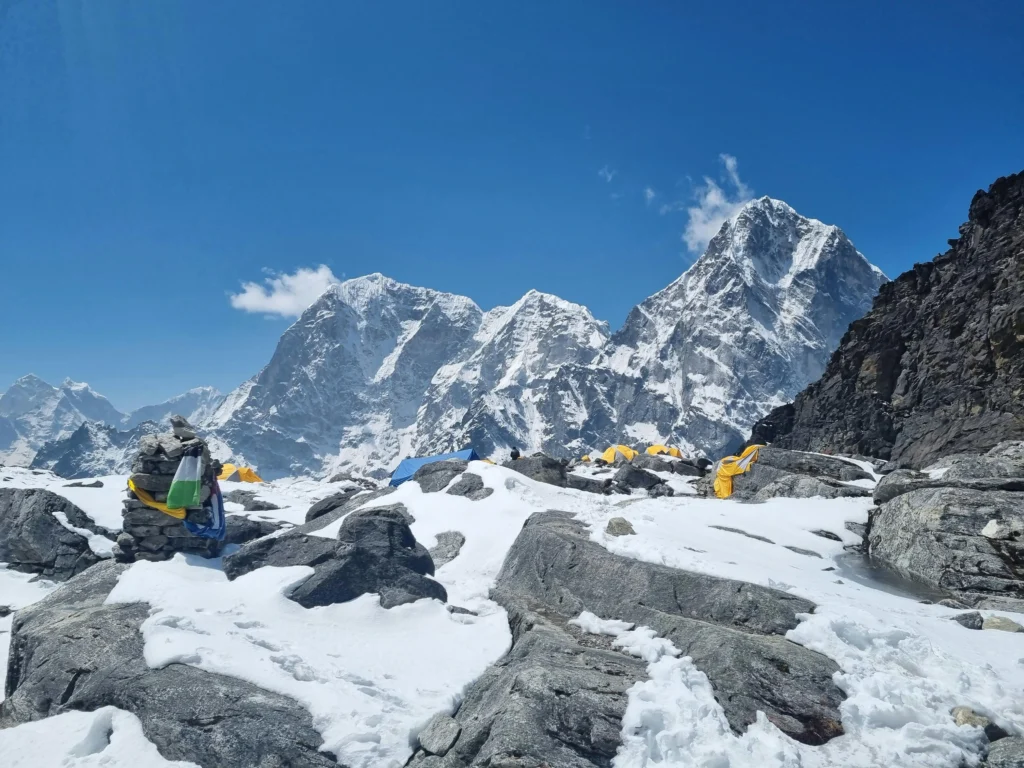
Key reasons include:
- Complex navigation: Trails can disappear in snow or rocky terrain, especially at Cho La Pass and Kongma La Pass.
- Glacier safety: Cho La involves icy sections where route finding is critical
- Weather changes: Conditions can shift quickly, reducing visibility within minutes
- Altitude management: Guides monitor pace, hydration, and early AMS symptoms
- Local knowledge: Understanding safe rest points and emergency exits
A good guide is not just a navigator—they act as a safety manager, altitude advisor, and emergency responder throughout the trek.
Safety Reasons (Most Important Factor)
Safety is the main reason most trekkers choose guided support on this route. The Three Passes Trek involves multiple high-risk elements:
1. High altitude exposure
Trekkers spend many consecutive days above 4,000 meters, increasing the risk of Acute Mountain Sickness (AMS). A guide is trained to recognize early symptoms and take immediate action.
2. Remote and isolated sections
Between villages, especially during pass crossings, there are long stretches without settlements, communication, or medical help.
3. Glacier and snow terrain
Crossings like Cho La involve slippery ice and hidden crevasses in some seasons, where wrong footing can be dangerous.
4. Emergency response support
In case of serious illness or injury, guides coordinate helicopter evacuation and communicate with rescue teams quickly.
Independent Trekking — Is It Possible?
Independent trekking is still allowed in Nepal, but for this route it is not recommended for most travelers. Experienced mountaineers or trekkers who have already completed high-altitude routes may consider it, but they must be fully prepared for:
- Route navigation using maps and GPS
- Carrying full emergency gear
- Self-managing altitude issues
- Handling sudden weather changes alone
Even experienced trekkers often find that the Three Passes route is significantly more demanding than expected.
Cost vs Value Comparison
While trekking independently may appear cheaper, the cost savings are often small compared to the added risk and complexity. A guide typically costs a few hundred dollars extra, but the value includes:
- Safety assurance
- Permit handling and logistics
- Local accommodation coordination
- Real-time route decisions
- Emergency support
In contrast, independent trekking requires full personal responsibility for every aspect of the journey.
For most trekkers, hiring a guide is the safest and most practical choice for the Three Passes circuit.It allows you to focus on the experience—glacial valleys, high passes, and iconic viewpoints like Everest Base Camp and Kala Patthar—while ensuring that navigation, safety, and logistics are professionally managed.
In a trek where conditions can change rapidly and terrain becomes unpredictable, a guide is not a luxury—it is a key part of a safe and successful Himalayan journey.
Lukla Flight Information (Critical Section)
The journey to the Tenzing-Hillary Airport (Lukla Airport) is one of the most important—and unpredictable—parts of the Everest Three Passes Trek. This small mountain airport is the main gateway to the Everest region, located deep inside the Everest Region (Khumbu). Almost all trekkers must fly here at the start and return the same way at the end, making flight planning a critical part of the itinerary.
Flight Risks & Delays
Flights to Lukla are considered one of the most weather-sensitive operations in the world. The airport sits at high altitude and is surrounded by mountains, which means visibility and wind conditions directly affect takeoff and landing safety.
Common challenges include:
- Sudden weather changes (fog, wind, clouds)
- Morning delays or afternoon cancellations
- Limited visibility in monsoon and winter seasons
- High air traffic during peak trekking months
Delays are extremely common, and sometimes flights are postponed for multiple days in a row. Because of this, trekkers are always advised to include buffer days in their itinerary both at the start and end of the trek.
Baggage Limits
Due to the small aircraft used on the Lukla route, baggage restrictions are strict and must be followed carefully.
Typical limits are:
- Checked luggage: 10–15 kg per person
- Hand luggage: 5 kg per person
If you exceed the limit, you may be required to pay extra or repack your bags at the airport. It is strongly recommended to pack light and use a duffel bag for your main gear, especially if you are using porter support during the trek.
Alternatives (Ramechhap Airport in Peak Season)
During peak trekking seasons (especially spring and autumn), flights to Lukla often operate from Ramechhap Airport instead of Kathmandu.
This happens because:
- Kathmandu airspace becomes congested
- Weather conditions are sometimes better from Ramechhap
- It helps reduce flight delays and traffic pressure
Ramechhap is located about 4–5 hours’ drive from Kathmandu, and trekkers usually travel there by road early in the morning before taking a short flight to Lukla.
While this adds an extra road journey, it often improves flight reliability during busy seasons.
Flying to Lukla is both exciting and unpredictable, marking the true beginning of your Himalayan adventure. Whether departing from Kathmandu or Ramechhap, flexibility is essential. With proper planning and buffer days, this challenging flight route becomes a memorable part of the journey into the heart of the Everest region.
Side Trips You Can Add
One of the biggest advantages of the Everest Three Passes Trek is its flexibility. Unlike shorter treks, this route gives you multiple opportunities to add short but highly rewarding side hikes. These optional climbs are not just extra activities—they significantly enhance acclimatization, photography opportunities, and overall Himalayan experience in the Everest Region (Khumbu).
Gokyo Ri Hike
The hike to Gokyo Ri is one of the most spectacular side trips in the entire Everest region. It is typically done from Gokyo village and takes around 2–3 hours to reach the summit.
From the top, trekkers are rewarded with a panoramic view of four of the world’s highest peaks: Everest, Lhotse, Makalu, and Cho Oyu, along with the stunning chain of Gokyo Lakes below.
This hike is also an excellent acclimatization boost before or after crossing Renjo La Pass, helping the body adjust to higher altitude while offering one of the best viewpoints in Nepal.
Chhukung Ri Hike
The climb to Chhukung Ri is a popular acclimatization hike in the eastern section of the trek. It is usually done while staying in Chhukung before attempting Kongma La Pass.
Although shorter than Gokyo Ri, this hike is very effective for altitude adaptation because it quickly takes trekkers above 5,000 meters. From the summit, you get dramatic views of Ama Dablam, Lhotse, Island Peak, and the surrounding glacial valleys.
This side trip plays an important role in preparing the body for the challenging ascent of Kongma La Pass.
Everest Base Camp Extension
One of the most iconic optional extensions is the full visit to Everest Base Camp. Although many Three Passes itineraries already include it, some trekkers treat it as an added highlight depending on their route variation.
Standing at base camp offers a close-up view of the Khumbu Icefall and the climbers preparing for summit attempts. It is not a viewpoint for Everest summit itself, but it provides a powerful emotional experience of being at the foot of the world’s highest mountain.
This extension is usually combined with a sunrise hike to Kala Patthar, which is the best vantage point for seeing Mount Everest clearly.
These side trips transform the Three Passes Trek from a challenging crossing route into a fully immersive Himalayan expedition. Each hike adds value in a different way—whether it is altitude acclimatization, panoramic photography, or cultural and emotional connection with the Everest region. While optional, they are highly recommended for anyone who wants to experience the trek at its fullest potential.
Why the Three Passes Trek is Better than Only Everest Base Camp Trek
The Everest Three Passes Trek is often considered the “complete version” of trekking in the Everest region because it goes far beyond the standard route to Everest Base Camp. While the classic Base Camp trek is iconic, the Three Passes route offers a broader, more immersive, and far more adventurous experience across the Everest Region (Khumbu).
Less Crowded Experience
One of the biggest advantages of the Three Passes Trek is that it avoids the heavy crowding found on the main Everest Base Camp trail. While the EBC route can feel busy during peak seasons, especially between Lukla and Namche Bazaar, the Three Passes circuit diverts into remote valleys where very few trekkers go.
Sections like Kongma La, Renjo La, and parts of the Gokyo Valley are often quiet, allowing trekkers to enjoy long stretches of wilderness without congestion. This creates a more peaceful and authentic Himalayan trekking experience compared to the busy main trail.
More Scenic Diversity
The Everest Base Camp trek focuses mainly on a single valley, but the Three Passes Trek connects three completely different landscapes in one journey.
Instead of repeating the same trail, trekkers experience:
- The lush forested lower Khumbu valley
- High alpine deserts around Dingboche and Lobuche
- Glacier crossings at Cho La Pass
- The turquoise lakes of Gokyo Lakes
- Massive panoramic viewpoints like Kala Patthar
This variety makes the Three Passes route far more visually dynamic, with constantly changing terrain, altitude, and mountain perspectives.
True Adventure Loop
Unlike the standard EBC trek, which follows an “in-and-out” route, the Three Passes Trek is a full circular expedition. Trekkers do not retrace their steps; instead, they traverse three high mountain passes—Kongma La, Cho La, and Renjo La—each connecting different valleys of the Khumbu.
This loop structure transforms the trek into a real Himalayan expedition rather than a simple destination hike. It demands more endurance, navigation, and adaptation, but also delivers a far more rewarding sense of achievement upon completion.
By the end of the journey, trekkers have not only reached Everest Base Camp but also crossed glaciers, climbed viewpoints like Gokyo Ri, and circled through nearly the entire Everest region in one continuous adventure.
While the Everest Base Camp trek is perfect for those seeking a shorter and more straightforward experience, the Three Passes Trek is designed for trekkers who want maximum adventure, diversity, and challenge. It combines all major highlights of the region into a single loop, making it the ultimate way to experience the Everest Himalaya in its fullest form.
Safety, Weather & Trail Conditions
The Everest Three Passes Trek is a high-altitude Himalayan circuit where safety and weather conditions play a major role in the success of the journey. Unlike lower-altitude treks, this route involves extended exposure above 4,000 meters, remote terrain, and unpredictable mountain weather throughout the Everest Region (Khumbu). Understanding these conditions is essential before attempting the trek.
Snow on the Passes
Snow is a common and expected condition on all three high passes—especially at Kongma La, Cho La, and Renjo La. Even in the best trekking seasons, early mornings often bring frozen trails, icy patches, and fresh snowfall near the summits.
Snow conditions can:
- Cover trail markers, making navigation difficult
- Increase physical effort due to slippery and soft surfaces
- Slow down progress significantly on steep ascents and descents
- Require early morning starts before snow softens in the sun
In spring, lingering winter snow is common, while in autumn, occasional snowfall can still occur after weather changes. Proper footwear and traction gear are essential for safe passage.
Glacier Crossing at Cho La
One of the most technical sections of the entire trek is the glacier crossing at Cho La Pass. This section involves walking over ice, frozen moraine, and potentially hidden crevasses depending on the season.
Key challenges include:
- Slippery icy surfaces, especially in early mornings
- Unstable rocks mixed with snow and ice
- Sudden drops or uneven terrain near glacier edges
- Rapid weather changes affecting visibility
Because of these conditions, trekking poles and microspikes are highly recommended, and following an experienced guide is strongly advised for safe route finding.
Weather Unpredictability
Weather in the Everest region is extremely changeable and can shift within minutes, especially at higher altitudes. Clear mornings are common, but afternoons often bring clouds, wind, or snowfall.
Typical weather patterns include:
- Clear skies early in the day, especially for pass crossings
- Strong winds at high elevations in the afternoon
- Sudden snowfall even during stable seasons
- Temperature drops below freezing at night above 4,000 meters
This unpredictability directly affects trekking plans. For safety, most pass crossings are done early in the morning to avoid worsening conditions later in the day.
Safety Considerations
Due to the combination of altitude, weather, and terrain, safety must always be a priority. Key safety practices include:
- Starting early for all high passes
- Monitoring altitude sickness symptoms regularly
- Staying flexible with the itinerary during bad weather
- Carrying proper insulation and emergency gear
- Following guide instructions at all times in risky sections
The presence of remote valleys and limited rescue access in certain sections means that preparation and decision-making are critical for a safe journey.
While the Three Passes Trek is one of the most rewarding adventures in the Himalayas, it is also one of the most demanding in terms of weather exposure and terrain complexity. Proper preparation, correct timing, and awareness of conditions—especially around snow, glaciers, and fast-changing weather—are essential to safely enjoy this incredible high-altitude circuit.
Frequently Asked Questions (FAQ)
This FAQ section is designed to answer the most common search queries about the Everest Three Passes Trek, helping trekkers understand the difficulty, duration, safety, and overall expectations before planning their journey in the Everest Region (Khumbu).
How hard is the Everest Three Passes Trek?
The Three Passes Trek is considered strenuous to very challenging. It is significantly harder than the standard Everest Base Camp trek because it includes three high-altitude passes above 5,000 meters, long trekking days, and remote terrain. Trekkers must be prepared for steep ascents, glacier crossings, and continuous walking for nearly three weeks. It is best suited for fit and experienced trekkers with prior altitude exposure.
How long is the trek?
The full circuit typically takes 18 to 21 days, depending on acclimatization days, weather conditions, and side trips. This duration includes time spent at key locations such as Namche Bazaar, Everest Base Camp, and the Gokyo Valley before returning via the final pass.
Can beginners do the Everest Three Passes Trek?
The trek is not recommended for complete beginners. While technical climbing skills are not required, prior trekking experience at high altitude is strongly advised. Beginners who have never trekked above 4,000 meters may struggle with altitude, long walking days, and demanding terrain. It is better for first-timers to start with shorter treks like Everest Base Camp before attempting this circuit.
Is travel insurance mandatory?
Yes, travel insurance is absolutely essential for this trek. It must cover:
. High-altitude trekking (above 5,000 meters)
. Helicopter evacuation in emergencies
. Medical treatment and accidents in remote areas
Because some sections are isolated and far from medical facilities, insurance is not optional—it is a critical safety requirement.
What is the success rate of the trek?
The success rate is generally high for well-prepared trekkers, but it depends on fitness, acclimatization, weather conditions, and experience. Trekkers who are properly trained, well-acclimatized, and guided usually complete the circuit successfully. However, altitude sickness, poor weather at passes, or fatigue can sometimes force itinerary changes or early descent.
The Everest Three Passes Trek is a demanding but highly rewarding Himalayan adventure. With proper preparation, acclimatization, and guidance, it offers one of the most complete trekking experiences in Nepal—combining Everest Base Camp, Gokyo Lakes, and three high mountain passes into a single unforgettable journey.
Who Should NOT Do This Trek?
The Everest Three Passes Trek is one of the most demanding high-altitude treks in the Everest Region (Khumbu), and it is not suitable for everyone. Due to its long duration, extreme altitude (above 5,000 meters), and remote terrain, certain individuals should avoid this trek or choose an easier alternative like Everest Base Camp.
Medical Conditions (High Risk Groups)
This trek is not recommended for people with the following medical conditions unless cleared by a doctor experienced in high-altitude medicine:
- Heart conditions (e.g., coronary artery disease, uncontrolled hypertension)
- Severe respiratory problems (e.g., asthma not well controlled, COPD)
- History of severe altitude sickness (HAPE or HACE)
- Neurological conditions affecting balance or oxygen response
- Severe anemia or low oxygen-carrying capacity
- Recent major surgery or recovery phase
At high altitude, oxygen levels drop significantly, and the body is under constant stress. These conditions can become dangerous quickly without proper acclimatization.
First-Time Trekkers
The Three Passes Trek is not ideal for complete beginners in trekking. While no technical climbing skills are required, the route demands:
- Long trekking days (6–9 hours daily for 18–21 days)
- Steep ascents and descents on rough terrain
- Glacier and snow crossings at passes like Cho La Pass
- High-altitude exposure above 5,000 meters multiple times
- Mental endurance and experience handling fatigue
First-time trekkers often struggle with:
- Altitude adaptation
- Physical exhaustion over long itineraries
- Navigation and pacing at high elevation
It is strongly recommended to first complete a shorter trek such as Everest Base Camp or Annapurna Base Camp before attempting this circuit.
Other Situations Where Caution is Needed
Even experienced trekkers should reconsider or prepare carefully if they have:
- Poor physical fitness or lack of endurance training
- No experience above 4,000 meters
- Limited ability to walk consecutive long days
- Fear of isolation or remote environments
- Inability to adapt to cold, basic accommodation, or unpredictable weather
The Three Passes Trek is best suited for fit, experienced, and well-prepared trekkers who are comfortable at high altitude and ready for a demanding expedition-style journey. While it is one of the most rewarding treks in the Himalayas, it should be approached with respect, preparation, and realistic self-assessment.
For many travelers, starting with Everest Base Camp is a smarter first step before progressing to the full Three Passes circuit.
Booking Tips & Choosing the Right Operator in Nepal
Choosing the right trekking company for the Everest Three Passes Trek is just as important as physical preparation. Because this trek operates in a remote and high-altitude environment within the Everest Region (Khumbu), the quality of your operator directly affects safety, logistics, and overall experience.
A good operator handles permits, guides, acclimatization planning, emergency support, and local coordination—allowing you to focus fully on the journey.
What to Check Before Booking
Before confirming any trekking package, make sure the operator meets these essential standards:
- Licensed and registered company in Nepal (official tourism registration)
- Experienced, certified trekking guides with high-altitude training
- Clear itinerary with acclimatization days included (not rushed schedules)
- Transparent pricing (no hidden costs for permits, flights, or staff wages)
- Emergency support system, including helicopter evacuation coordination
- Proper insurance coverage for guides and porters
- Real reviews or verified client feedback
Also check whether the package includes key logistics like Lukla flights, permits, accommodation, meals, and porter services, or if these are charged separately.
Red Flags to Avoid
Be careful of operators who show the following warning signs:
- Extremely cheap prices that seem unrealistic
- No clear breakdown of services included
- Lack of registered business details or office location in Nepal
- No mention of licensed guides or safety procedures
- Poor or fake online reviews
- Pressure to pay full amount upfront without confirmation details
- No clear cancellation or refund policy
In high-altitude treks like this, low price often means compromised safety, poor logistics, or inexperienced staff.
Why Book with a Local Company
Booking with a local Nepal-based trekking company offers several important advantages, especially for complex routes like the Three Passes circuit:
- Better local knowledge: Real-time understanding of weather, trail conditions, and pass safety
- Faster emergency response: Immediate coordination for rescue or evacuation if needed
- Experienced mountain guides: Familiar with hidden routes, glacier conditions, and altitude management
- Stronger logistics support: Easier handling of Lukla flights, permits, and last-minute changes
- Direct community support: Your money supports local guides, porters, and mountain villages
- Flexible itinerary management: Adjustments can be made based on weather or health conditions
Local companies are also better connected to teahouses and regional networks, which becomes crucial when conditions change unexpectedly.
Final Tip
For a demanding trek like the Everest Three Passes Trek, choosing the right operator is a safety decision, not just a financial one. A reliable local company ensures proper acclimatization planning, trained guides, and emergency preparedness—making your journey through the Himalayas safer, smoother, and more enjoyable.
Our company Alpine Vista Trek typically provide complete support from arrival in Kathmandu to return from Lukla, handling all logistics so trekkers can focus entirely on the experience.